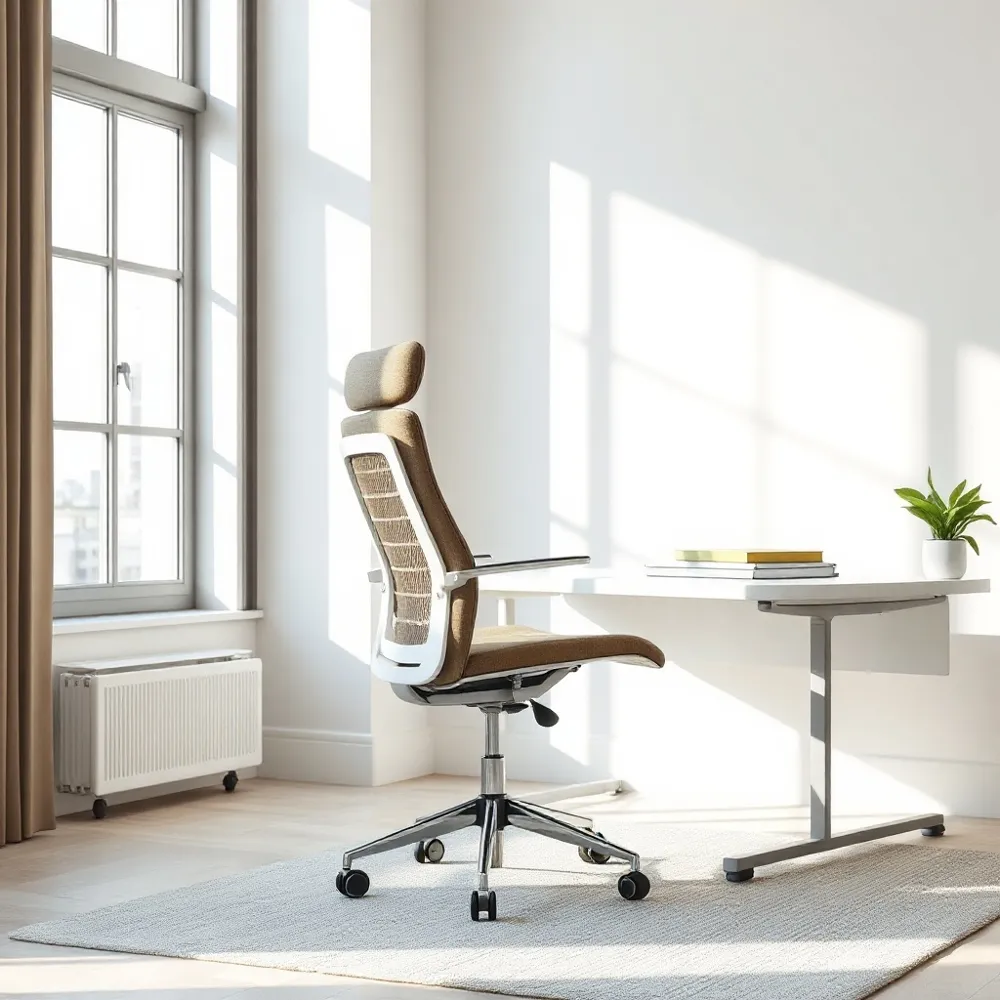
The Sedentary Crisis Facing Today's Modern Professionals
Over 80% of jobs in the United States are now categorized as sedentary, making the office environment a primary setting for physical inactivity spinehealth.org. This shift toward prolonged static sitting serves as a major driver of musculoskeletal decline, as the human body is inherently designed for movement rather than continuous confinement to a chair.
Research indicates that back muscles experience up to 90% more pressure while sitting compared to standing spinehealth.org. When this increased load is combined with poor workspace alignment, it frequently manifests as chronic neck, shoulder, and lower back pain. At Ross Chiropractic, we prioritize identifying these postural stressors early, as persistent micro-trauma from desk work can lead to long-term disc degeneration and reduced spinal flexibility if left unaddressed.
Proactive spinal management is essential for those balancing long hours at a desk. A study of German workers found that over 60% of the population spends more than half of their working hours in a sitting position, highlighting the scale of the challenge link.springer.com. Rather than waiting for pain to become chronic, professional intervention through Wellness Chiropractic care and targeted ergonomic adjustments at drallisonrossdc.com can help restore natural alignment and protect your spinal future.
Systemic Health Risks of Prolonged Desk Sitting
 Why is sitting at a desk for long periods considered harmful to your health? Prolonged sitting at a desk significantly increases the risk of musculoskeletal issues by placing added pressure on spinal discs, weakening core muscles, and promoting poor posture that can exacerbate conditions like herniated discs or neck pain spinehealth.org. Beyond physical alignment, extended sedentary behavior is linked to metabolic syndrome, which includes concerns such as elevated blood pressure, high blood sugar, and unhealthy cholesterol levels cdc.gov.
Research indicates that sitting for more than eight hours daily without physical activity carries health risks comparable to those associated with obesity and smoking pmc.ncbi.nlm.nih.gov. Over time, these habits contribute to increased risks of cardiovascular disease and even certain cancers. At drallisonrossdc.com, we observe that when vertebrae remain in a fixed, poor position for too long, the resulting pressure can lead to localized pain and systemic health disruptions that require proactive, non-invasive correction.
While many view sedentary work as a benign necessity, the human body is designed for regular movement. Per a 2024 study, even those who do not engage in strenuous exercise can mitigate risks by integrating movement-based tasks into their workday link.springer.com. Unlike larger healthcare facilities that may focus solely on symptom management, drallisonrossdc.com prioritizes wellness chiropractic and corrective exercises to restore range of motion and prevent the long-term degradation associated with modern office life.
| Risk Factor | Impact | Mitigation Strategy |
|---|---|---|
| Static Loading | Disc compression | Hourly movement |
| Muscle Weakness | Spinal instability | Core strengthening |
| Metabolic Stress | Blood pressure | Regular exercise |
Ergonomics as the First Line of Defense
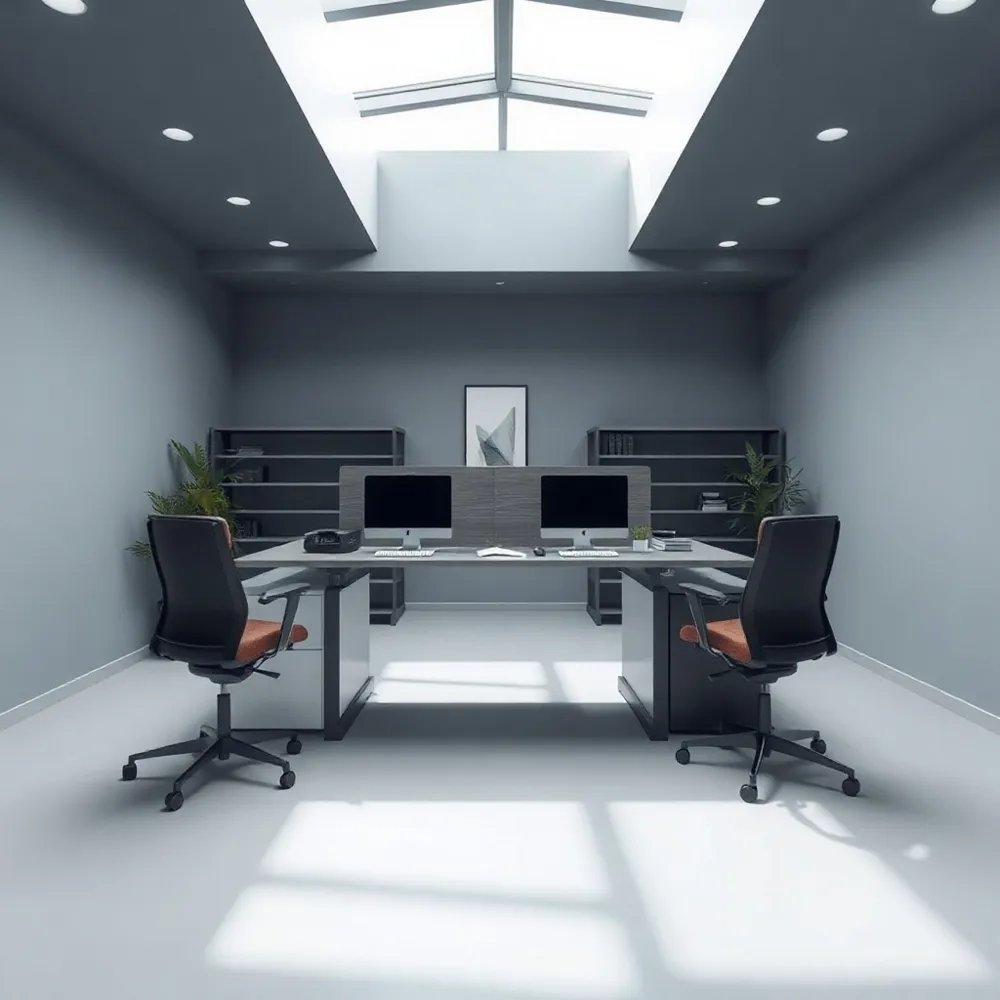 What is the recommended ergonomic setup to minimize workplace back and neck pain? To minimize workplace back and neck pain, start by ensuring your chair provides firm lumbar support, with your seat height adjusted so your feet rest flat on the floor and your knees remain at a 90-degree angle mayoclinic.org. Your desk should be positioned at a height that allows your forearms to remain parallel to the floor while typing, preventing tension in your shoulders and neck spinehealth.org. Place your monitor directly in front of you at eye level, approximately an arm's length away, to avoid straining your neck or hunching forward uclahealth.org.
Incorporate a seat depth that leaves two to three fingers of space between the edge of the seat and the back of your knees, and ensure your armrests support your elbows without forcing your shoulders upward. While standard office setups often fail to accommodate individual physiology, Ross Chiropractic provides personalized ergonomic evaluations that ensure your specific workstation supports your unique spinal alignment, unlike one-size-fits-all furniture solutions. Padding your desk edge or using a specialized wrist rest can further mitigate contact stress on your wrists and arms mayoclinic.org.
Beyond physical adjustments, your daily habits dictate the longevity of these ergonomic benefits. Perform regular workstation assessments every six months and prioritize frequent movement throughout the day to support long-term spinal health and posture. At drallisonrossdc.com, we emphasize that even the most advanced ergonomic chair cannot compensate for hours of continuous static posture. Instead, integrating consistent movement every 30 minutes acts as the primary defense against the muscle imbalances and chronic compression often exacerbated by sedentary office environments pmc.ncbi.nlm.nih.gov.
Understanding Spinal Degradation and Chronic Conditions
Prolonged sitting does not merely cause temporary stiffness, it creates persistent mechanical strain on the vertebrae and intervertebral discs. When you remain seated for hours, the natural curvature of the spine often flattens, increasing the load on the lumbar region. According to research from Cornell University, back muscles and spinal discs can experience up to 90% more pressure while sitting than when standing. This constant compression, combined with habitual slouching, disrupts the body's natural alignment and accelerates the wear on spinal structures.
The transition from occasional soreness to long-term degeneration often begins with minor postural habits. Over time, the muscles supporting the spine become deconditioned, and ligaments may lose the tension required to maintain stability. Persistent static loading restricts essential blood flow, which impairs the delivery of nutrients to the spinal discs. At drallisonrossdc.com, we emphasize that when vertebrae remain out of position, the resulting uneven pressure can lead to disc herniation, nerve irritation, and reduced overall mobility.
Can working a desk job directly lead to spinal disorders like spinal stenosis?
While a desk job does not typically cause spinal stenosis, which is usually a degenerative condition involving the narrowing of spinal canals due to aging or arthritis, a sedentary lifestyle can significantly accelerate the underlying processes that lead to it. Prolonged sitting increases pressure on the spinal discs and promotes postural habits that contribute to wear and tear, potentially worsening existing narrowing or discomfort. Furthermore, inactivity weakens the core and back muscles that provide essential structural support, leaving the spine more vulnerable to chronic misalignment and degeneration. Over time, the lack of movement can lead to stiffness, reduced flexibility, and a decline in spinal health that exacerbates the symptoms of such disorders. At Ross Chiropractic, we focus on mitigating these risks through personalized movement strategies, corrective exercises, and non-invasive therapies designed to restore function and protect your spinal integrity.
Understanding these risks is complicated by the 'healthy worker effect,' a phenomenon where individuals who experience severe musculoskeletal pain often self-select out of demanding office roles or shift to different tasks link.springer.com. This can create inconsistent data in large-scale studies, as those remaining in sedentary positions may appear to have fewer complaints than they actually do. While research continues to evolve, the impact of sedentary work is clearly mediated by lifestyle factors. Integrating regular movement and targeted wellness chiropractic plans remains the most effective defense against the cumulative effects of desk-bound degeneration.
Movement Strategies for Desk-Bound Professionals
Breaking the cycle of static desk work is essential to preventing musculoskeletal decline. Even with an ideal ergonomic setup, holding a single position for hours leads to tissue fatigue and spinal compression. Research suggests that workers who do not integrate leisure time physical activity are significantly more susceptible to neck, shoulder, and lower back complaints. Adopting a structured approach to movement transforms your workday from a period of inactivity into a series of recovery opportunities.
To systematically manage these risks, many experts advocate for the 20-8-2 rule. This framework suggests sitting in a neutral, supported position for 20 minutes, followed by eight minutes of standing or gentle stretching, and two minutes of walking or active movement every half hour. This rhythm helps prevent the 'shut off' of essential spinal support muscles, particularly the glutes and core, which otherwise weaken when deprived of movement.
What practical exercises or methods can help relieve back and spine pain while at a desk?
To relieve back and spine pain while at a desk, incorporate regular movement breaks to avoid prolonged static positioning. You can perform gentle seated stretches, such as the knees-to-chest stretch, or use a cat-cow motion by arching and rounding your back while seated to mobilize the spine. Focusing on posture correction and strengthening your core and glute muscles throughout the day helps provide necessary support for your back. If you have space, simple movements like the child’s pose or standing up to hang from a stable overhead bar can help decompress the spine using your own body weight. For personalized guidance on how to integrate these methods into your specific daily routine, consult with a professional like Dr. Allison Ross to ensure these exercises are performed safely and effectively.
- Chest openers: Clasp your hands behind your back and gently pull your shoulders back to counteract the forward-hunched posture of keyboard use.
- Hip flexor stretches: Since sitting tightens the front of the hips, step into a shallow lunge while standing to lengthen these muscles and take pressure off the lower back.
- Posterior chain activation: Incorporate bridges or bird-dogs to fire up the glutes and back muscles, creating a natural brace for the spine that Ross Chiropractic programs emphasize to ensure long-term stability.
The Hidden Nexus of Mental Well-being and Neck Health
 Is there a connection between cervical spine problems and anxiety? Emerging research confirms a significant link between the structural integrity of your neck and your emotional state. When cervical vertebrae are misaligned due to chronic poor posture, they can irritate the delicate nerves governing the sympathetic nervous system. This irritation often mimics the physiological markers of anxiety, such as shallow breathing, heart palpitations, or dizziness, creating a feedback loop where physical discomfort triggers psychological distress.
The vagus nerve, which serves as a primary conductor for your body's relaxation response, passes through the cervical region. Physical compression in this area can disrupt the vagus nerve, preventing your body from effectively downshifting after stressful work tasks. At drallisonrossdc.com, we prioritize restoring cervical stability to remove this physical interference. By addressing these structural issues, patients often report improved emotional resilience and a reduction in unexplained tension.
Unlike generalized wellness programs, our corrective exercises at the clinic focus on the specific musculature surrounding your cervical spine. This precision approach helps stabilize the neck, allowing the nervous system to return to a balanced state. While competitors may treat neck tension solely as a muscular issue, our holistic model at drallisonrossdc.com views spinal alignment as a prerequisite for both physical performance and sustained mental clarity.
Recognizing When to Seek Professional Intervention
Distinguishing between transient muscle fatigue and a serious spinal condition can be difficult. While routine soreness often resolves with movement or ergonomic adjustments, persistent symptoms warrant a professional evaluation to prevent long-term degradation link.springer.com. At Ross Chiropractic, we prioritize a thorough assessment to identify the root cause of discomfort, moving beyond the symptom-masking approaches found in other, less personalized clinical environments.
How can I tell if my back or neck pain indicates a serious underlying spine disorder?
While many cases of back or neck pain are linked to posture or lifestyle, certain symptoms signal the need for a professional evaluation to rule out serious structural issues. You should seek prompt medical care if you experience persistent numbness, tingling, or weakness in your limbs, which may indicate nerve compression spinehealth.org. Pay close attention to radiating pain, significant loss of mobility, or sharp discomfort that does not improve with rest. Most importantly, sudden bowel or bladder dysfunction is a medical emergency that requires immediate attention. If your pain is severe, lasts for several weeks, or prevents you from performing daily tasks, it is essential to consult a professional for an accurate diagnosis and a personalized care plan.
When you schedule a consultation at drallisonrossdc.com, you receive a targeted wellness plan that focuses on restoring alignment, unlike the generic, high-volume care models used by many standard medical clinics. Early intervention remains the most effective strategy for ensuring your long-term mobility and preventing the progression of chronic musculoskeletal issues.
Taking Control of Your Spinal Future
Waiting for chronic pain to manifest is a common but ineffective strategy for managing musculoskeletal health. While many professionals assume that minor stiffness is an unavoidable trade-off for a career in a modern office, proactive interventions can prevent the long-term spinal degradation often seen in sedentary occupations. Addressing subtle imbalances early is far more sustainable than treating severe, established conditions.
At Ross Chiropractic, we prioritize this preventive model. By utilizing regular, non-invasive adjustments and corrective exercises, we help patients maintain spinal alignment and mobility before desk-related strain evolves into systemic pain. Unlike clinical settings that rely on reactive medication or delayed surgical interventions, our patient-focused approach emphasizes restoring natural posture and muscle balance to support your spine for the long term.
Taking control requires a consistent strategy, whether that involves refining your workplace ergonomics or integrating movement into your daily schedule. By addressing neck and back pain through personalized care, you can mitigate the risks associated with sitting for more than 25 hours per week. If you are ready to stop managing symptoms and start protecting your spinal health, contact us for a personalized evaluation.