Introduction
Stress activates the sympathetic nervous system, causing a surge of adrenaline and cortisol that puts the body into a "fight‑or‑flight" mode. This response raises heart rate, blood pressure, and shallow breathing while simultaneously tightening muscles—especially in the neck, shoulders, and lower back. The chronic muscle tightness can pull vertebrae out of alignment, creating subluxations that further irritate nerves and amplify discomfort. By restoring proper spinal alignment, chiropractic adjustments reduce nerve irritation and allow the nervous system to shift toward parasympathetic (rest‑and‑digest) dominance. Through hands‑on techniques such as spinal manipulation, myofascial release, and trigger‑point therapy, chiropractors relieve tension, improve blood flow, and promote natural endorphin release—all without medication or surgery. This drug‑free, non‑invasive approach offers a holistic way to break the stress‑muscle tension cycle and support overall wellness.
Understanding Stress, Muscle Tension, and the Nervous System
 Stress activates the sympathetic nervous system, flooding the body with adrenaline and cortisol. This “fight‑or‑flight” response raises heart rate, narrows breathing, and forces muscles—especially in the neck, shoulders, and lower back—to contract. When muscles stay tightened, they pull on the vertebrae via their tendons, creating sub‑luxations that further irritate nerves and degrade posture. The resulting cascade can lead to tension‑type headaches, reduced range of motion, and a feedback loop where pain heightens stress.
Can a chiropractor help with stress and muscle tension?
Yes. A chiropractor restores proper spinal alignment, which normalizes nerve signaling and allows over‑contracted muscles to relax. Adjustments improve posture, increase blood flow, and break the knot‑like trigger points that develop under chronic stress. Many clinicians, such as Dr. Allison Ross, DC, combine adjustments with myofascial release, cold‑laser therapy, corrective exercises, and custom orthotics to deepen relaxation and support long‑term resilience. This drug‑free, non‑invasive approach shifts the nervous system toward parasympathetic (rest‑and‑digest) dominance, helping patients feel calmer and more mobile.
When should you not get adjusted by a chiropractor?
Avoid adjustments if you have an acute fracture, severe osteoporosis, spinal infections, metastatic cancer, uncontrolled inflammatory disease, or recent un‑evaluated trauma. Neurological red flags (numbness, weakness, loss of bladder/bowel control) and cardiovascular risks (uncontrolled hypertension, recent heart events) also require medical clearance before manipulation. In such cases, consult a physician or specialist to determine the safest treatment pathway.
Safety First: When Chiropractic Adjustments Are Not Recommended
 Chiropractic care is generally safe, but practitioners must screen for contraindications and red‑flag symptoms such as severe osteoporosis, spinal cancer, uncontrolled hypertension, acute fractures, or infections. A thorough health history, physical exam, and when needed, imaging allow the clinician to identify these risks before any adjustment. Patients are counseled that most post‑adjustment reactions are mild and short‑lived—common side effects include muscle or joint soreness, a feeling of stiffness, mild headache, temporary fatigue, or light‑headedness, all typically resolving within 24–48 hours with hydration and gentle movement. Serious complications are rare when care is provided by a licensed professional. The notion that adjustments release harmful toxins is a myth; enhanced circulation and lymphatic flow may mobilize metabolic waste such as lactic acid and inflammatory mediators already present in the tissues, which the body naturally clears. No new toxins are generated, and any fleeting sensation of fatigue reflects normal clearance rather than danger.
Holistic Treatment Tools at Dr. Allison Ross’s Practice
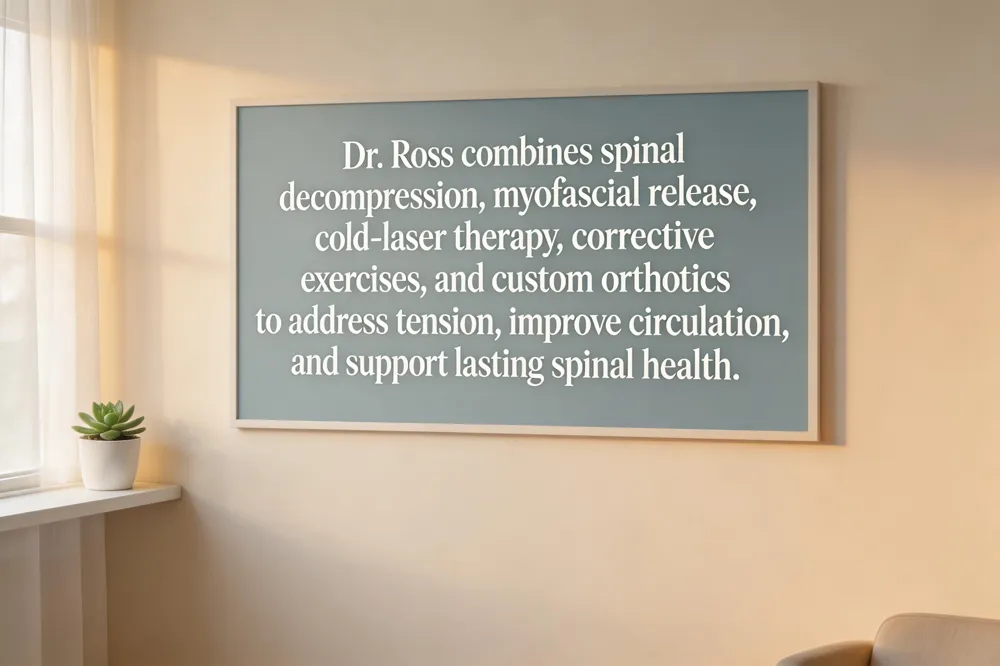 Dr. Allison Ross blends several evidence‑based modalities to break the stress‑tension cycle. First, spinal decompression gently stretches the vertebral column, easing disc pressure and allowing the spine to settle into a more neutral position. While the patient is in decompression, Dr. Ross applies myofascial release to loosen tight fascia and trigger points, improving blood flow and reducing metabolic waste buildup. Cold‑laser therapy follows, targeting inflamed muscles and nerves to cut pain and accelerate healing without drugs. After each session, corrective exercises are prescribed to reinforce the newly achieved alignment and strengthen core and postural muscles.
Custom orthotics are the final piece of the puzzle. By correcting foot and lower‑limb mechanics, they stabilize the pelvis—the foundation of the spine—and prevent compensatory misalignments that could undo the benefits of adjustments. The orthotics provide personalized shock‑absorption and support, reducing stress on joints, ligaments, and muscles throughout the kinetic chain. Together, these tools create a comprehensive, drug‑free plan that promotes lasting relief, better posture, and overall wellness.
Managing Everyday Stress: Practical Tips and Post‑Care
 How can I relieve soreness after a chiropractic adjustment?
Apply a cold pack for 10‑15 minutes, stay hydrated, and do gentle stretches or a walk to keep circulation moving. Perform the prescribed at‑home exercises to reinforce alignment. Keep good posture with an ergonomic chair and good pillow. If soreness lasts more than a few days, a mild OTC pain reliever can be used sparingly.
How can I find a qualified chiropractor in San Jose, CA?
Check the California Board of Chiropractic Examiners for a current DC license. Use directories (e.g., Zocdoc) to filter San Jose providers with high ratings and insurance acceptance. Look for a practice offering non‑invasive, patient‑focused care and adjunct therapies such as myofascial release, cold‑laser, and custom orthotics—Dr. Allison Ross, DC is an example. Read reviews, schedule a consult, and confirm hours.
What are the signs that I might need chiropractic care for sports injuries or auto accidents?
Persistent pain that doesn’t improve with rest or OTC meds, reduced range of motion, numbness or tingling, post‑collision headaches, and lingering swelling or stiffness are red flags that warrant a chiropractic evaluation.
Cost, Frequency, and Broader Benefits of Ongoing Care
 What is the typical cost of chiropractic treatment at a patient‑focused practice?
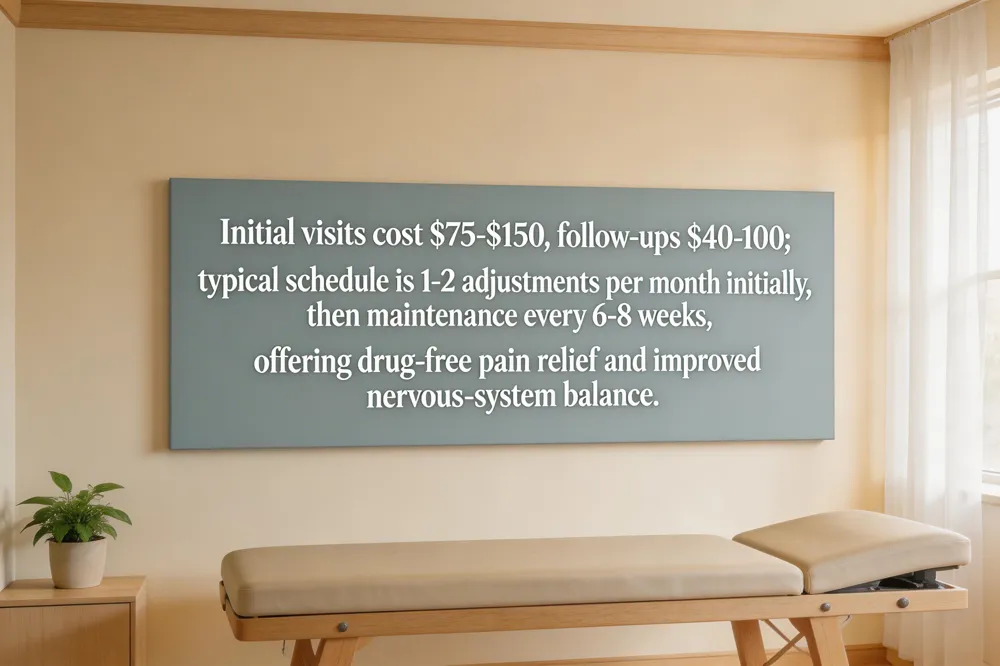
At a patient‑focused clinic such as Dr. Allison Ross in San Jose, an initial exam and first adjustment range costs $75‑$150. Follow‑up sessions typically range from $40‑$100, with many patients paying about $65‑$80 for a standard adjustment. Bundled packages lower the per‑visit price, major insurers are accepted, and cash‑pay discounts or payment plans are common.
What is the typical cost of chiropractic treatment at a patient‑focused practice?
At a patient‑focused clinic such as Dr. Allison Ross in San Jose, an initial exam and first adjustment range costs $75‑$150. Follow‑up sessions typically range from $40‑$100, with many patients paying about $65‑$80 for a standard adjustment. Bundled packages lower the per‑visit price, major insurers are accepted, and cash‑pay discounts or payment plans are common.
How often should I schedule adjustments for long‑term wellness? Most people begin with 1‑2 adjustments per month for the first few weeks to reduce irritation and restore motion. After that, a maintenance schedule of every 6‑8 weeks works well for most; those with demanding jobs or active sports may need slightly more frequent visits, while individuals with good posture and regular stretching can extend the interval.
What are the benefits and disadvantages of chiropractic care? Benefits include drug‑free pain relief, improved mobility, better posture, and enhanced nervous‑system balance. Adjunct therapies—myofascial release, cold‑laser, spinal decompression, corrective exercises, and custom orthotics—further support wellness. Mild soreness after an adjustment is normal, but a series of visits is usually required for lasting results. Rare serious complications can occur with high‑velocity neck techniques, so treatment should be performed by a licensed chiropractor.
Can chiropractic care help with ALS or other neurodegenerative conditions? Research does not support chiropractic as a primary therapy for ALS, but soft‑tissue work and spinal adjustments can alleviate musculoskeletal pain, stiffness, and postural issues that accompany neurodegenerative diseases. Multimodal chiropractic care may improve movement and quality of life when used alongside standard medical treatment, always coordinated with a neurologist.
How does Dr. Ross address pregnancy discomfort through chiropractic? Dr. Ross uses gentle, trimester‑specific spinal and pelvic adjustments, myofascial release, cold‑laser therapy, and targeted corrective exercises to relieve low‑back, pelvic, and sciatica pain. Custom orthotics stabilize the pelvis, improve circulation, and support a smoother labor—all without medication or surgery.
Conclusion
Chiropractic care directly counters stress‑induced muscle tension by restoring spinal alignment, easing nerve irritation, and promoting parasympathetic relaxation. Techniques such as spinal adjustments, myofascial release, and cold‑laser therapy increase blood flow, reduce lactic‑acid buildup, and trigger endorphin release, helping lower cortisol and improve sleep quality. Because the approach is non‑invasive and drug‑free, it dovetails with lifestyle changes like proper ergonomics, hydration, and mindful breathing. For a tailored plan that addresses your unique tension patterns, consider scheduling a consultation with Dr. Allison Ross, DC, in San Jose, CA, and start your journey toward calmer, more balanced health.