
Understanding the Physical Toll of Modern Daily Stress
The stress response is a complex biopsychosocial process, functioning as a biological survival mechanism that integrates nervous, endocrine, and immune system activity. When faced with a perceived danger, the body enters a fight-or-flight state, releasing hormones like cortisol and adrenaline to provide immediate energy. While these changes are intended to be temporary, chronic modern stressors can keep the body in a state of persistent activation.
This sustained overdrive creates an allostatic load, or wear-and-tear on the nervous system, which often manifests as physical exhaustion and muscle tension. At Ross Chiropractic, we observe that patients frequently mistake this systemic fatigue for simple lack of rest. When the immune system remains in an inflammatory state due to unchecked cortisol, the body becomes hypersensitive to pain, turning routine daily movements into sources of discomfort.
Unlike passive approaches that merely treat the symptoms of stiffness, our practice uses chiropractic adjustments to address the underlying nervous system dysregulation. By reducing this physical reactivity, we help the body shift back into a restorative state, effectively breaking the cycle where modern lifestyle stress leads to chronic physical pain.
The Vicious Cycle of Chronic Stress and Persistent Pain
 Chronic stress and physical pain are bi-directionally interleaved, meaning they interact and influence one another at multiple levels, per research published in the National Institutes of Health. This interaction begins with the body's fight or flight response, a survival mechanism that elevates heart rate and blood pressure while triggering systemic inflammation. When this process becomes chronic, the continuous release of stress hormones like cortisol dysregulates the hypothalamic-pituitary-adrenal (HPA) axis, keeping the body in a state of high inflammation that sensitizes nerves and intensifies pain perception.
As the body transitions into a state of allostatic load, or nervous system wear-and-tear, it begins to misinterpret signals, often failing to differentiate between actual threats and safe physical movements. At Ross Chiropractic, we address this by recognizing that pain acts as a systemic stressor itself, which can perpetuate a cycle of fear and avoidance. Unlike clinical approaches that focus solely on medication, our practice utilizes non-invasive chiropractic adjustments to release joint restrictions, reduce muscle tension, and shift the body from a sympathetic, threat-focused state toward a parasympathetic, restorative state.
What is the relationship between chronic stress and physical pain?
Chronic stress and physical pain share a mutually reinforcing relationship that significantly impacts your overall well-being. When the body undergoes prolonged stress, it often enters a state of stress-induced hyperalgesia, where anxiety and fear exacerbate the intensity, duration, and perception of pain. This process is closely linked to the body’s nervous system, as the persistent release of stress hormones like cortisol can keep the body in a heightened state of alert, leading to increased pain sensitivity. Over time, the body’s general adaptation to these stressors can progress to an exhaustion phase, manifesting as chronic fatigue, emotional distress, and worsening physical discomfort. Addressing this cycle through holistic, non-invasive care at drallisonrossdc.com is essential for restoring your natural balance, improving alignment, and supporting long-term recovery.
Identifying the Physical Symptoms of Managed Stress
When you experience stress, your body’s fight-or-flight response triggers muscles to tense up, which can lead to localized pain, stiffness, and soreness. You may notice this tension manifesting as aching in the neck, shoulders, or jaw, often accompanied by involuntary muscle spasms. Chronic stress keeps the body in this state of overdrive, which can cause persistent tightness and even lower your overall threshold for pain, per the American Psychological Association. Furthermore, this physical tension can exacerbate existing musculoskeletal issues or trigger flare-ups of conditions like arthritis and fibromyalgia. If you are experiencing unexplained aches or persistent muscle tightness, it may be a clear sign that your body is holding onto unmanaged stress.
Distinguishing between acute stress and chronic musculoskeletal disorders is essential for recovery. While sudden stress causes a temporary reaction that resolves once the threat passes, chronic stress keeps the body in a state of guardedness. This constant contraction can lead to myofascial trigger points, which are stiff, tender areas where pain originates. At drallisonrossdc.com, patients often present with these symptoms when emotional strain has translated into physical restriction.
Prolonged muscle tension frequently results in muscle atrophy from disuse, further complicating the cycle of pain. Unlike a simple injury that requires localized rest, stress-induced tension often requires systemic nervous system regulation. Dr. Allison Ross, DC utilizes a combination of chiropractic adjustments and manual therapies to interrupt this cycle by shifting the body from a sympathetic, stress-driven state to a parasympathetic, rest-and-digest state.
Recognizing Stress Versus Injury in Your Musculoskeletal System
Differentiating between stress-related muscle pain and physical injury often relies on tracking the timing and behavioral patterns of your discomfort. Stress-induced tension frequently manifests as generalized tightness or soreness that intensifies during high-pressure work days or emotional distress, per American Psychological Association data. Conversely, an acute physical injury typically stems from a specific event or repetitive motion, presenting as sharp, localized pain that persists regardless of your current mood or mental state.
At drallisonrossdc.com, patients often find that pain caused by chronic stress shifts or migrates across the body, such as moving from the shoulders to the neck or jaw. This behavior differs from structural injuries, which generally remain confined to the damaged tissue. If your discomfort is accompanied by systemic indicators of a high-stress response, such as a racing heart or difficulty sleeping, it may signal that your nervous system is trapped in a defensive state.
When to seek professional diagnostic assessment
Understanding the origins of your pain is essential for recovery. While relaxation techniques like deep breathing often provide temporary relief for stress-based muscle tension, they may not resolve underlying spinal misalignments or chronic subluxations that require professional intervention. You should consider a formal assessment if your pain lingers for more than 12 weeks, as this indicates a transition into chronic pain that may involve nervous system dysregulation, according to research from the National Institutes of Health.
- Track the duration of your pain to determine if it is acute or chronic.
- Observe if the sensation moves or if it is isolated to a specific point of contact.
- Consult a specialist if you cannot link the onset of pain to a clear physical activity.
- Seek a professional evaluation if symptoms do not improve with basic self-care.
Myofascial Release Therapy for Holistic Tension Relief
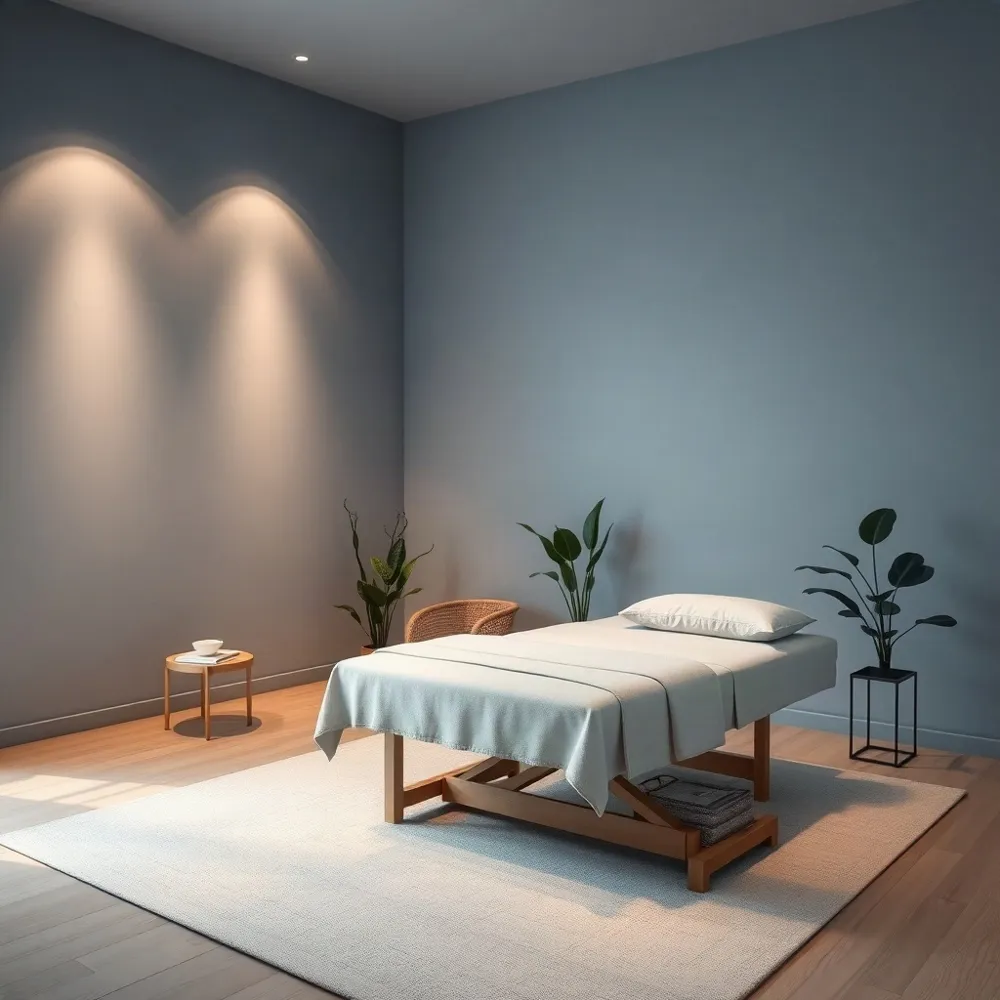 Fascia is a continuous, web-like connective tissue structure that covers and supports muscles, bones, nerves, and organs throughout the body, per the Cleveland Clinic. This internal scaffolding remains supple in its healthy state, but repetitive stress, chronic tension, or poor posture can cause it to lose flexibility and become rigid. These restrictions often manifest as myofascial trigger points, which are stiff, tender nodules where pain originates and range of motion becomes limited.
What is myofascial release, and how does it help in relieving tension and anxiety?
Myofascial release is a specialized manual therapy technique that focuses on relieving pain by stretching and manipulating the fascia. When this tissue becomes tight or restricted due to injury, stress, or poor posture, it can create physical tension throughout the body. By applying gentle, sustained pressure to these restricted areas, a provider helps to restore elasticity and improve blood flow, effectively melting away physical tightness. Beyond the musculoskeletal benefits, this process plays a vital role in emotional well-being by calming the nervous system. As the physical body releases stored tension, it promotes a systemic relaxation response that can reduce symptoms of anxiety and foster a sense of holistic healing.
At the practice of Dr. Allison Ross, DC, we utilize myofascial release to address the physical restrictions caused by chronic stress. Unlike standard massage that uses kneading, this technique uses sustained, targeted pressure to soften tight fascia and dissolve knots. This approach helps the body enter a parasympathetic state, essentially signaling the nervous system to shift from a high-stress, fight-or-flight mode into a restorative rest-and-digest phase.
Are there specific contraindications or risks associated with myofascial release therapy?
While myofascial release is a safe and effective therapy for many, it is not appropriate for everyone. Contraindications include localized infections, open wounds, healing fractures, and sites of recent surgery, as applying pressure to these areas could cause injury or delay healing. Individuals with conditions such as severe osteoporosis, advanced diabetes, or clotting disorders like deep vein thrombosis should avoid the therapy unless specifically cleared by a medical provider. Additionally, those taking blood-thinning medications may have an increased risk of bruising. Dr. Ross performs a thorough assessment before beginning treatment to ensure that this therapy is a safe and suitable option for your specific health history.
Clinical Techniques for Calming the Nervous System
Calming the nervous system requires shifting the body from a sympathetic fight-or-flight state to a parasympathetic rest-and-digest state. At drallisonrossdc.com, chiropractic adjustments deliver precise, high-velocity thrusts that release joint restrictions, improve mobility, and reduce the physical manifestations of stress. By correcting spinal misalignments, these adjustments reduce nerve interference, allowing the autonomic nervous system to better regulate heart rate and internal stress responses.
What techniques can be used to effectively release trigger points and calm the nervous system?
Effective relief often involves a combination of clinical modalities and active self-regulation. Professional myofascial release therapy uses gentle, sustained pressure to lengthen tightened connective tissue, which can directly dissolve trigger points that cause referred pain. When you pair this with progressive muscle relaxation—the systematic tensing and release of specific muscle groups—you can significantly lower your physiological arousal.
Breaking the cycle of chronic pain also requires interrupting the process of threat learning, where the brain incorrectly associates movement with danger. Regular, low-impact activity helps the nervous system recognize safety signals and avoid the maladaptive fear-avoidance behaviors that lead to disuse and stiffness. While some practitioners rely on passive, temporary cures, drallisonrossdc.com focuses on corrective exercises and active care to build long-term musculoskeletal resilience, helping patients maintain consistent physical function despite the stressors of daily life.
Chiropractic Care for Long-Term Resilience
 Long-term recovery from stress-related musculoskeletal strain requires a shift from reactive pain management to proactive system regulation. Chronic stress keeps the body in a state of sympathetic dominance, which often leads to spinal misalignments known as subluxations. These restrictions interfere with the nervous system's ability to communicate effectively, often trapping muscles in a cycle of persistent contraction and guarding.
Dr. Allison Ross, DC addresses these issues by using precise chiropractic adjustments to restore spinal alignment. This process is designed to interrupt the physical feedback loop of stress by encouraging the nervous system to shift from a sympathetic fight-or-flight state toward parasympathetic restoration. Unlike passive approaches that only mask symptoms, this method helps the body regain its natural capacity to regulate internal stress responses.
Preventative care is essential for maintaining mobility and avoiding the development of chronic conditions. By incorporating corrective exercises and posture correction, patients can stabilize the musculoskeletal system against the mechanical loads imposed by high-stress environments. Dr. Ross focuses on these holistic, drug-free strategies to ensure that patients are not just recovering from immediate pain, but are building the resilience needed to prevent future injuries.
- Restoring nervous system balance through spinal adjustment
- Reducing physical tension patterns that exacerbate chronic discomfort
- Implementing targeted mobility work to prevent future musculoskeletal strain
- Supportive care that helps the body adapt to ongoing daily stressors
Taking Proactive Steps Toward Holistic Health
Addressing the physical toll of chronic stress is essential for long-term health and mobility. Since prolonged tension triggers systemic inflammation and alters the body’s pain processing, adopting a proactive strategy is more effective than reacting to symptoms as they arise. Per data from the American Psychological Association, consistent relaxation techniques and therapeutic activities directly improve daily physical function.
Integrating professional care into your wellness routine can interrupt the cycle of nervous system dysregulation. At Ross Chiropractic, we combine manual adjustments with targeted therapies to restore alignment and ease the fascial restrictions caused by sustained stress. Whether you need personalized back pain treatment plans or specific muscle tension relief, our clinical approach helps shift your body from a state of fight-or-flight to one of rest and recovery. Begin your journey toward lasting wellness by scheduling a consultation to develop a plan tailored to your needs.