Finding a Natural Path Toward Spinal Restoration
For patients facing persistent back or neck pain, the path toward lasting relief often begins with a stepped approach, prioritizing non-invasive and cost-effective therapies before considering surgical intervention. At Ross Chiropractic, the focus remains on holistic, drug-free strategies that address the underlying source of nerve compression rather than masking symptoms. By integrating spinal decompression into personalized recovery plans, the practice helps patients restore mobility and improve quality of life without the risks of surgery.
Non-surgical spinal decompression works by creating negative pressure within discs, which can retract herniated or bulging material and alleviate pressure on nearby nerves. Unlike surgical procedures such as a laminectomy or discectomy, this approach avoids the lengthy recovery periods and potential complications of invasive medicine. Dr. Allison Ross emphasizes that consistent, patient-centered care allows for functional improvement in conditions like sciatica and degenerative disc disease, supporting the body’s innate healing processes.
The Mechanism of Spinal Decompression Therapy
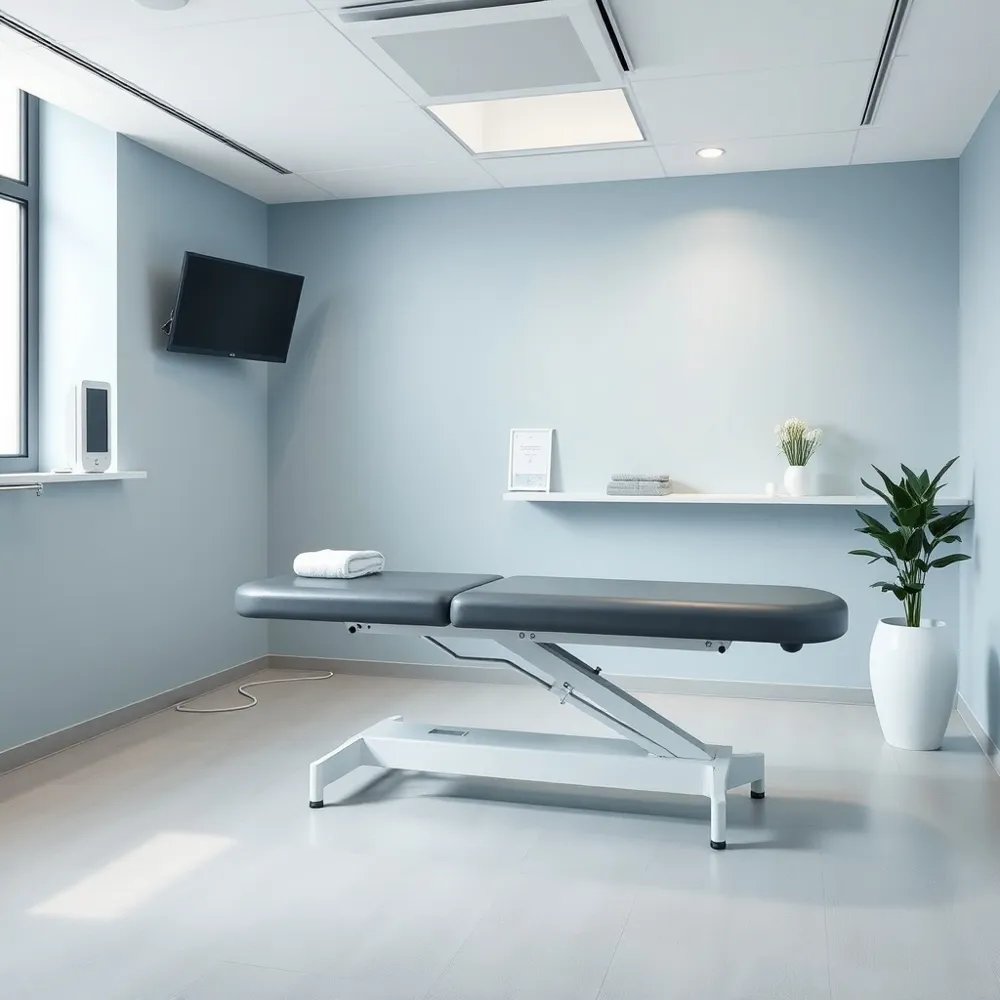 At Ross Chiropractic, personalized care informs how we apply mechanical interventions to restore spinal health. Spinal decompression is a non-surgical, motorized traction treatment designed to relieve chronic back and neck pain by gently stretching the spine. During a session, you remain fully clothed while wearing a harness that is connected to a computer-controlled table. This device uses cycles of stretching and relaxing to change the force and position of the spine, effectively creating negative pressure within the spinal disks.
This specific approach to decompression therapy works by generating a vacuum-like suction effect. As the intervertebral spaces expand through controlled traction, this force helps retract bulging or herniated disks, which takes significant pressure off pinched nerves and other sensitive spinal structures. Unlike traditional mechanical traction, modern motorized systems are designed to allow for the precise adjustment of force to avoid muscle guarding and ensure patient safety throughout the adjustment process, per peer-reviewed research.
Beyond physical repositioning, the created negative pressure facilitates the movement of vital fluids back into damaged tissues. This osmotic effect draws water, oxygen, and nutrient-rich fluids into the disks to encourage internal healing and improved functional mobility. By addressing the root cause of nerve compression rather than masking symptoms, this therapy serves as a conservative, non-invasive alternative to the risks and lengthy recovery times inherent in surgical interventions.
Chiropractic Integration and Patient Candidacy
At Ross Chiropractic, we view spinal decompression as a foundational element of modern, natural musculoskeletal care. Rather than relying on singular interventions, this technique integrates seamlessly into our broader practice to stretch the spine, reduce pressure on compressed nerves, and encourage the body to heal itself.
Is spinal decompression considered a form of chiropractic care?
Yes, it is a hallmark of non-surgical spine treatment. By using a specialized motorized table, we can apply precise, computer-controlled traction that relaxes the paraspinal muscles. This approach allows for the retraction of herniated discs and relieves pressure on neural elements that manual methods alone might not reach. We often combine this with myofascial release to ensure a holistic recovery process.
How do you know if you are a candidate for spinal decompression therapy?
Identifying your potential candidacy begins with observing specific indicators of nerve involvement. Many patients who benefit from this therapy report radiating pain, numbness, tingling, or localized weakness in their limbs—all common symptoms of a herniated or bulging disc. These subtle sciatica indicators frequently worsen with movement, prompting the need for professional evaluation.
Because treatment must match the root cause of your discomfort, we prioritize a thorough physical examination at our San Jose office. Before starting, we examine your medical history to rule out contraindications such as fractures or implants, ensuring the care we provide is safe and effective for your unique needs. We believe in being transparent about the distinctions between traditional and gentle adjustments, ensuring every patient receives a plan tailored to their specific degree of disc pathology.
Addressing Herniated Discs and Degenerative Changes
Can spinal decompression effectively treat herniated discs and degenerative disc disease? Yes, spinal decompression can be an effective non-invasive treatment for both herniated discs and degenerative disc disease. This therapy works by gently stretching the spine to create negative pressure within the discs, which helps to alleviate pressure on the nerves and may allow bulging or herniated material to retract. By creating space between the vertebrae and improving disc health, it addresses the underlying compression that often causes chronic pain, sciatica, and numbness. Research indicates that this approach can significantly reduce the disc herniation index and improve overall spinal function for many patients. At Ross Chiropractic, we utilize such therapies as part of a personalized, non-surgical plan to help you restore mobility and recover from spinal conditions.
Clinical research supports the use of nonsurgical spinal decompression as a targeted intervention. One randomized controlled trial noted that patients treated with decompression achieved an average herniation index reduction of -27.6%, compared to only -7.1% in control groups receiving standard care. Notably, 26.9% of the decompression cohort reached a 50% reduction in herniation volume, a milestone not achieved by any patients in the control group. While herniated discs follow a natural recovery course in some instances, medical providers often prefer decompression when the goal is to expedite functional return and minimize long-term disability.
The precision of a computer-controlled system offers distinct advantages over traditional, passive traction. While standard traction often triggers reflexive muscle spasms, electronic decompression systems allow for precise adjustments in force and angle to maintain structural relaxation. This difference is critical for stabilizing the lumbar region and facilitating improved blood flow to the affected tissue. By integrating decompression therapy into a comprehensive plan that includes trunk stabilization, patients can expect more reliable outcomes than those provided by manual or gravity-based methods alone.
Balancing Benefits, Expectations, and Safety
 Spinal decompression therapy is a non-surgical treatment that helps relieve pressure on nerves and spinal discs, offering benefits such as reduced pain from bulging or herniated discs and improved range of motion. By gently stretching the spine, the therapy encourages the flow of oxygen and nutrients to promote natural healing. While generally safe when performed by a skilled professional, some patients may experience temporary side effects like mild muscle soreness, stiffness, or tingling sensations.
At Ross Chiropractic, we emphasize that results from these mechanical interventions are typically cumulative. Rather than immediate, one-time relief, most patients require a consistent series of sessions over several weeks to achieve sustainable outcomes. This course of treatment allows the spine to safely reposition itself and address the underlying source of nerve compression. A thorough professional assessment ensures that your specific health profile is compatible with the therapy, helping to minimize the risk of adverse reactions or discomfort that can arise from undiagnosed spinal conditions.
Who should avoid spinal decompression therapy?
While effective for many, this modality is not suitable for everyone. Individuals who are pregnant, have advanced osteoporosis, or possess spinal implants should avoid this treatment, as the applied traction force could cause complications. It is also contraindicated for those with serious conditions like spinal tumors, active infections, fractures, or an abdominal aortic aneurysm. Because every patient's background is unique, a detailed consultation at drallisonrossdc.com is essential to determine if this approach aligns with your safety requirements and clinical needs.
Long-Term Outcomes and Investment in Wellness

Is spinal decompression a permanent solution, and how long does the recovery last?
Spinal decompression is an effective tool for relieving spinal nerve pressure, but it serves best as part of a comprehensive, multidisciplinary approach rather than a final, one-time cure. While we focus on reducing symptoms and restoring function, natural degenerative aging remains a factor in long-term spinal health. At Ross Chiropractic, we prioritize lasting results by pairing mechanical therapy with corrective exercises and posture training. This proactive strategy helps maintain alignment and strength, potentially protecting your spine from the risks associated with long-term surgical recovery, such as post-operative tissue damage or infection.
Is spinal decompression therapy typically covered by insurance?
Many insurance plans do not currently offer full coverage for spinal decompression, often categorizing it alongside other elective or experimental care modalities. Consequently, patients often manage this as a personal investment in their own mobility. Choosing this path at Ross Chiropractic allows access to non-invasive care that specifically avoids the high costs and significant downtime associated with invasive procedures like a laminectomy. As insurance policies vary by provider, our team can help evaluate your options to ensure your health takes priority.
Prioritizing Your Spine for Lasting Mobility
Adopting a stepped approach to spinal care ensures that you explore conservative, non-invasive therapies before considering higher-risk interventions like surgery. By prioritizing spinal decompression therapy and other natural, restorative techniques, patients can often resolve nerve compression at its source while avoiding the extensive recovery periods associated with invasive procedures. Deciding to address your discomfort now helps maintain long-term mobility and prevents minor issues from worsening into chronic impairment.
Taking the first step toward a healthier spine starts with a professional assessment to determine if your condition responds to our specialized care. You can schedule an evaluation to discuss how a custom plan might support your recovery. Active engagement in your own rehabilitation is the most reliable way to restore function, regain control, and return to the activities you enjoy.