
Why Your Office Setup Is the Foundation of Your Spinal Wellness
Modern workspaces often force the body into static, unnatural positions that contribute to musculoskeletal strain. Prolonged sedentary behavior places excessive pressure on intervertebral discs and weakens core support, frequently leading to long-term issues like chronic neck and back pain. According to Mayoclinic.org, proper ergonomics help prevent these common health concerns by optimizing chair height and equipment spacing.
At drallisonrossdc.com, we emphasize that a workstation is more than just furniture. It is a support system for your nervous system. While industry standards suggest movement breaks every 30 to 50 minutes to counteract sedentary work, these adjustments are often insufficient if your underlying alignment is already compromised. OSHA guidelines generally support the use of neutral spine positioning, yet clinical experience shows that passive habits rarely fix deep-seated postural fatigue.
Proactive spinal health requires integrating ergonomic awareness with corrective care. Rather than relying on static fixes, our practice in San Jose combines professional spinal adjustments with targeted exercises to address the root causes of musculoskeletal dysfunction. By viewing your office setup through the lens of chiropractic wellness, you can protect your long-term mobility and reduce the risk of recurring injuries.
Defining Workplace Ergonomics and Its Essential Goals
 Ergonomics is recognized as a scientific discipline centered on understanding the complex interactions between humans and their environment. As defined by the International Ergonomics and Human Factors Association, this field seeks to optimize both human well-being and overall system performance. Rather than forcing the body to accommodate rigid equipment, proper ergonomics involves modifying the workspace to fit the specific physical requirements of the user.
What is the importance of ergonomics in the workplace and what is its main goal?
The primary objective of this scientific approach is to prevent musculoskeletal injuries, reduce physical strain, and enhance efficiency by improving the interface between workers and their tools. Per OSHA, proactive design is essential to minimize the physical stressors that lead to chronic conditions, such as neck pain, back strain, and repetitive stress injuries. By addressing elements like workstation adjustability and neutral reach zones, professionals can mitigate the risks associated with sedentary behavior.
At drallisonrossdc.com, we emphasize that adapting the environment to the individual is a foundational step in maintaining long-term spinal health. When workplaces are designed to support natural posture, the cumulative load on spinal discs and ligaments decreases significantly. This shift from reactive treatment to preventative environmental design not only reduces fatigue but also fosters a more sustainable work experience. Integrating these ergonomic principles, alongside professional guidance on posture and movement, allows individuals to preserve their mobility and prevent the onset of persistent pain in a demanding work environment.
Building a Healthy Workstation: The 90/90/90 Rule Explained
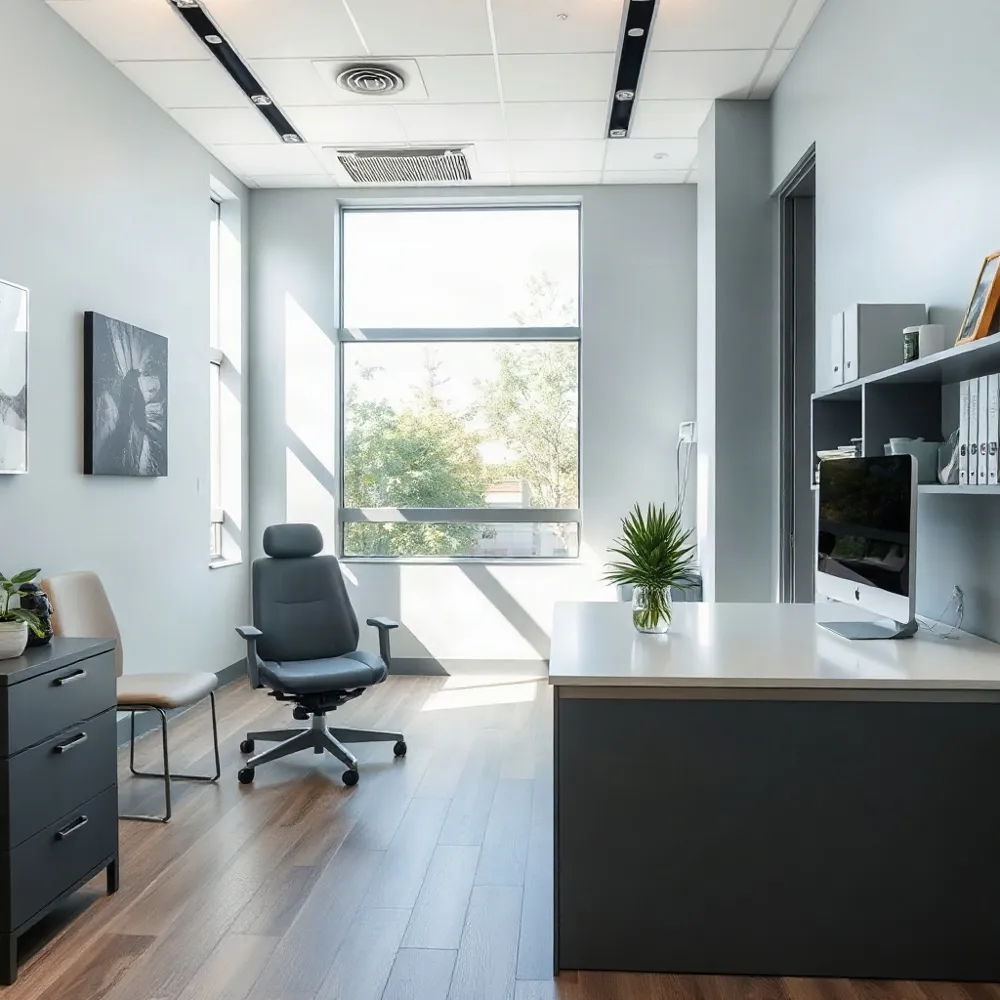 An ergonomically healthy workstation centers on maintaining a neutral body position to minimize musculoskeletal strain. The core 90/90/90 rule suggests that your hips, knees, and ankles should each be positioned at approximately 90-degree angles, with your thighs parallel to the floor and feet resting flat on the ground per Mayo Clinic guidance.
To support this alignment, your chair must provide dedicated lumbar support to maintain the natural curve of your spine. If your chair lacks this feature, Palmer College of Chiropractic suggests using a small rolled-up towel or pillow behind the lower back to effectively bridge the gap. At Ross Chiropractic, we often see patients whose existing workspace configurations lead to chronic spinal pressure, and we emphasize that correcting these foundational angles is the first step toward long-term injury prevention.
Optimizing Equipment for Neutral Alignment
Keyboard and mouse placement is equally vital to prevent repetitive strain. Per UCLA Health, you should position these devices so your upper arms remain parallel to your spine with elbows bent at 90 degrees. Avoid resting your wrists on hard or sharp desk edges, which causes contact stress; instead, use a wrist rest or padding to keep your hands at or slightly below elbow level.
Finally, place your monitor at eye level to prevent the forward-head posture often called tech neck. If your screen is too low, use a riser or a stack of books to bring the top of the monitor to your natural eye line. When you combine these physical adjustments with the therapeutic exercises we prescribe at Ross Chiropractic, you create a resilient environment that protects your musculoskeletal health against the daily demands of a sedentary job.
Correcting Posture and Alleviating Daily Desk-Related Pain
Improving your posture at a desk requires more than just high-end furniture. It demands a proactive approach to body mechanics, starting with your monitor at eye level to prevent neck strain and keeping your feet flat on the floor with shoulders relaxed. Even with a perfect setup, static posture remains a primary driver of spinal musculoskeletal issues. Breaking this cycle is vital; taking breaks at least once an hour to stand, stretch, and lean back helps counteract the forward-bending posture common in desk-based roles.
Active Relief Through Movement
Regular micro-movements prevent tissue stiffening and disc dehydration. Effective exercises you can perform at your station include chin tucks, which activate deep cervical muscles to counteract forward head alignment, and shoulder blade squeezes to strengthen the upper back. At Ross Chiropractic, we often prescribe specific corrective exercises tailored to a patient's unique postural needs. Unlike generic advice, these movements are designed to address the specific muscle imbalances and joint restrictions that often lead to chronic pain.
When Professional Support Is Necessary
Not all desk-related pain resolves with adjustments alone. If you experience persistent symptoms like sharp pain, numbness, tingling, or headaches, it may indicate underlying spinal alignment issues that require professional attention. While ergonomic accessories are a strong foundation, chiropractic care provides the necessary intervention to restore proper joint mechanics. If your discomfort continues despite optimizing your workspace, a clinical assessment can determine if you need targeted therapy to prevent further injury and maintain long-term spinal health.
Beyond the Chair: Holistic Habits for a Resilient Spine
Maintaining a healthy spine requires a proactive approach that combines proper office ergonomics, regular movement, and targeted physical conditioning. While workstation adjustments create a supportive environment, your body needs an internal brace to protect against the physical toll of sedentary work. Strengthening your core muscles, such as the multifidus and abdominal stabilizers, is essential because these muscles act as a natural support system that keeps your spine aligned and reduces pressure on intervertebral discs.
What are the most effective ways to maintain a healthy spine through daily habits and exercise?
Effective spinal care extends into your rest hours. Sleep ergonomics play a significant role in long-term wellness; a medium-firm mattress provides the necessary structure to keep the spine in a neutral position. Side sleepers should place a pillow between their knees to keep the hips balanced, while back sleepers often benefit from a small pillow under the knees to reduce lumbar tension. Ensuring your sleep setup supports the spine's natural curves prevents waking up with the stiffness often exacerbated by poor posture during the day.
- Incorporate daily corrective exercises like planks, bridges, and bird-dogs to build the core stability needed for structural support.
- Practice consistent postural checks throughout the day to ensure ears, shoulders, and hips remain aligned.
- Adopt the 20-8-2 rule, which allocates 20 minutes for seated work, 8 minutes for standing or stretching, and 2 minutes for movement to counteract tissue stiffening.
- Use supportive accessories, such as a lumbar roll, to maintain your natural spinal arch during long hours at your desk.
At Ross Chiropractic, we prioritize these preventative, non-invasive lifestyle strategies to help patients minimize the cumulative impact of daily habits. Unlike generic wellness advice, our corrective exercises are tailored to address individual structural imbalances, ensuring that your muscles are conditioned to support your spine even outside of clinical care. Adopting these habits protects the structural integrity of your back and neck, ultimately supporting your long-term mobility and independence.
Understanding Posture Correctors versus Active Muscle Engagement
Do wearable posture correctors actually fix posture issues? Wearable posture correctors can be useful tools for improving proprioception, which is the body's awareness of its position in space, by providing sensory feedback when you begin to slouch. While they help remind you to pull your shoulders back or sit tall, they are not a permanent fix because they do not independently strengthen the postural muscles needed for long-term alignment.
Relying solely on a brace can actually lead to muscle atrophy, as the device does the work that your body should be doing on its own. True, sustainable posture correction requires active engagement through personalized corrective exercises and professional chiropractic guidance to address the root causes of muscle imbalances. At Ross Chiropractic, we prioritize these holistic, movement-based strategies to help you build the strength and structural stability necessary to maintain healthy posture naturally.
If you are struggling with chronic slouching or persistent neck pain, professional guidance is essential to move beyond temporary aids. For instance, UCLA Health notes that while active seating options exist, they often require professional medical consultation to ensure they are safe for individuals with pre-existing spinal injuries. Rather than relying on external braces, integrating targeted therapeutic exercises allows your body to develop the deep core support that prevents injury in the first place.
Recognizing Red Flags That Require Immediate Clinical Attention
 While most office-related discomfort responds well to ergonomic adjustments, certain persistent symptoms demand urgent evaluation. In a clinical setting, red flags are warning signs identified during an assessment that suggest a patient’s symptoms may stem from serious underlying pathology rather than routine musculoskeletal issues.
What constitutes a 'red flag' in chiropractic care that warrants professional medical attention?
Critical indicators requiring immediate professional medical attention include progressive neurological deficits, such as sudden limb weakness or numbness, and loss of bowel or bladder control. Other significant concerns include unexplained weight loss, persistent fever, severe night pain that prevents sleep, and pain following major trauma. Chiropractors at Ross Chiropractic are trained to screen for these markers to identify potential conditions like fractures, infections, cancer, or serious vascular and nerve compression. Recognizing these red flags is a vital part of safe, responsible care, ensuring patients receive the appropriate diagnostic imaging or urgent medical referral when necessary. If your pain does not improve with workstation adjustments or if you experience these warning signs, professional evaluation is essential to rule out significant injury.
Prioritizing Your Long-Term Spinal Health at Ross Chiropractic
While optimizing your desk setup is a powerful first step, ergonomic adjustments are most effective when paired with proactive professional care. Achieving a neutral workstation minimizes daily stress on your spine, but it cannot reverse years of accumulated tension or underlying joint restrictions. Ross Chiropractic offers a comprehensive approach, combining targeted spinal adjustments, myofascial release, and corrective exercises to address musculoskeletal imbalances that ergonomic furniture alone might miss.
Persistent aches, stiffness, or discomfort despite an ideal chair configuration often signal the need for expert intervention. Dr. Allison Ross, DC helps patients in San Jose assess their daily habits and physical limitations, providing a personalized roadmap to restore proper alignment and long-term mobility. By integrating clinical care with your home or office workspace, you can stop merely managing symptoms and begin correcting the structural issues hindering your wellness.
True spinal resilience requires a partnership between your environment and your body's functional health. Schedule a professional evaluation to identify hidden stressors in your routine and discover how natural, non-invasive therapies can help you maintain an active, pain-free life. Invest in your long-term health by addressing the root causes of your discomfort today.