Navigating the Journey Back to Peak Physical Performance
Recovery from a sports injury is rarely a linear process, and relying solely on complete rest can sometimes stall the natural healing progression. While immediate protection is necessary after a soft tissue injury, prolonged immobilization often leads to muscle atrophy and lost joint function. At the San Jose-based office of Dr. Allison Ross, we prioritize moving beyond static downtime by integrating corrective exercises as soon as they are safe to perform.
Healing rates are inherently individual, dictated by personal pain tolerance, tissue health, and metabolic response, rather than a universal timeline. Unlike clinical environments that use standardized, one-size-fits-all protocols, our practice tailors rehabilitation plans to your unique physiology. By monitoring specific markers of range of motion and functional strength, we ensure that your recovery remains both efficient and evidence-based.
Professional care is instrumental in safely accelerating your return to activity. While some approaches rely exclusively on medication or aggressive rest per NIAMS, we focus on manual therapies, myofascial release, and spinal adjustments to restore balance without surgery or drugs. This holistic strategy addresses not just the primary site of injury, but the surrounding biomechanics to prevent future complications and help you return to your sport with confidence.
Sports Injury Rehabilitation and Chiropractic Care
- Standard recovery is divided into five progressive phases, from protection to return-to-sport.
- The PRICE protocol (protection, rest, ice, compression, elevation) manages immediate symptoms.
- Early movement is essential after initial rest to prevent prolonged immobilization stiffness.
- Chiropractic care aids recovery by restoring joint alignment and reducing tissue inflammation.
- The Graston Technique is utilized to break down scar tissue and improve circulation.
- Progressive loading like isometrics helps reverse muscle atrophy during the strengthening phase.
- Proprioception training retrains neural pathways for stability, reducing risk of future injury.
- Functional return requires objective clearance of pain-free range of motion and symmetrical strength.
- Mental health strategies like visualization are vital to maintaining motivation during recovery.
- Professional athletes use chiropractic care for biomechanical optimization and career longevity.
1. Phase 1: Immediate Protection and Inflammation Control
 The rehabilitation process for sports injuries is typically divided into three progressive stages designed to restore both form and function. The initial stage focuses on protecting the injured tissue, controlling pain, and managing inflammation. During the intermediate stage, the goal shifts to regaining joint range of motion and improving muscle conditioning through strength and endurance training. The advanced stage incorporates functional training, proprioception, and coordination exercises to prepare the body for the demands of specific athletic activities. Ultimately, the process concludes with a safe transition back to sport, ensuring the athlete is sufficiently prepared to perform at their previous level.
Effective management during the first few days often follows the PRICE protocol, which emphasizes protection, rest, ice, compression, and elevation to minimize acute symptoms. Immediate cessation of activity upon feeling pain is essential, as ignoring these signals frequently leads to further structural damage per the NIH. While rest is vital, it should be balanced with early movement to prevent the stiffness associated with prolonged immobilization according to NHS guidance.
At drallisonrossdc.com, the approach to these early stages goes beyond simple rest by integrating professional chiropractic care alongside traditional recovery modalities. While generic medical advice often focuses on passive measures, chiropractic adjustments provide a targeted way to reduce early inflammation and restore proper joint alignment. This proactive management helps ensure that the body retains optimal function even during the protection phase, significantly shortening the path compared to the standard rest-only routines used by many local practitioners.
Correct soft tissue injury care also considers the timing of interventions, as excessive inflammation can delay tissue repair. By utilizing manual therapies, practitioners can improve circulation and reduce the reliance on medication. Monitoring progress through professional evaluation ensures that the shift from protection to active rehabilitation occurs only when the injury is stable, preventing the common trend of rushing back to activity before natural healing is complete.
2. Phase 2: Restoring Joint Range of Motion and Flexibility
Once initial swelling subsides, the transition into mobility training becomes crucial to avoid the development of contractures, where tissues tighten and lose function. While complete rest helps during the acute stage, prolonged inactivity can lead to muscle atrophy and stiffness. At Ross Chiropractic, we emphasize balanced rehabilitation that introduces controlled movement early to stimulate tissue repair, unlike rigid protocols that may favor excessive immobilization.
Regaining pre-injury mobility often requires addressing underlying scar tissue that restricts natural movement patterns. We frequently incorporate the Graston Technique to systematically break down adhesions and enhance blood circulation within damaged soft tissues. This precise approach allows for a gentle but effective improvement in joint function. By integrating such targeted therapies with corrective, customized stretches, we help patients restore the range of motion necessary for high-level performance.
Can a chiropractor help with the treatment and recovery of sports injuries?
Yes, chiropractors play a vital role in both the treatment and recovery of sports injuries by restoring musculoskeletal alignment and addressing the underlying causes of pain. By utilizing hands-on techniques like spinal adjustments and soft tissue therapy, they effectively reduce inflammation, relieve pressure, and restore the range of motion necessary for athletic performance. This approach helps manage common conditions—such as strains, sprains, and overuse injuries like runner’s knee or tennis elbow—without the need for surgery or drugs. Beyond immediate recovery, chiropractic care focuses on optimizing biomechanics and body balance, which enhances overall function and helps prevent future injuries. Whether you are a casual athlete or a competitive professional, a personalized chiropractic plan can safely accelerate your return to the activities you love.
Following a structured stretching protocol, which often includes holds of up to 30 seconds as recommended by Nationwide Children's Hospital, ensures that tissues lengthen safely. It is important to monitor pain levels during these activities, aiming to keep intensity between 0 and 5 on a 10-point scale per NHS Inform. By carefully balancing passive manual therapy with active, patient-led stretching, injuries heal with better structural integrity and less compensatory strain on surrounding joints.
3. Phase 3: Building Structural Muscle Strength and Endurance
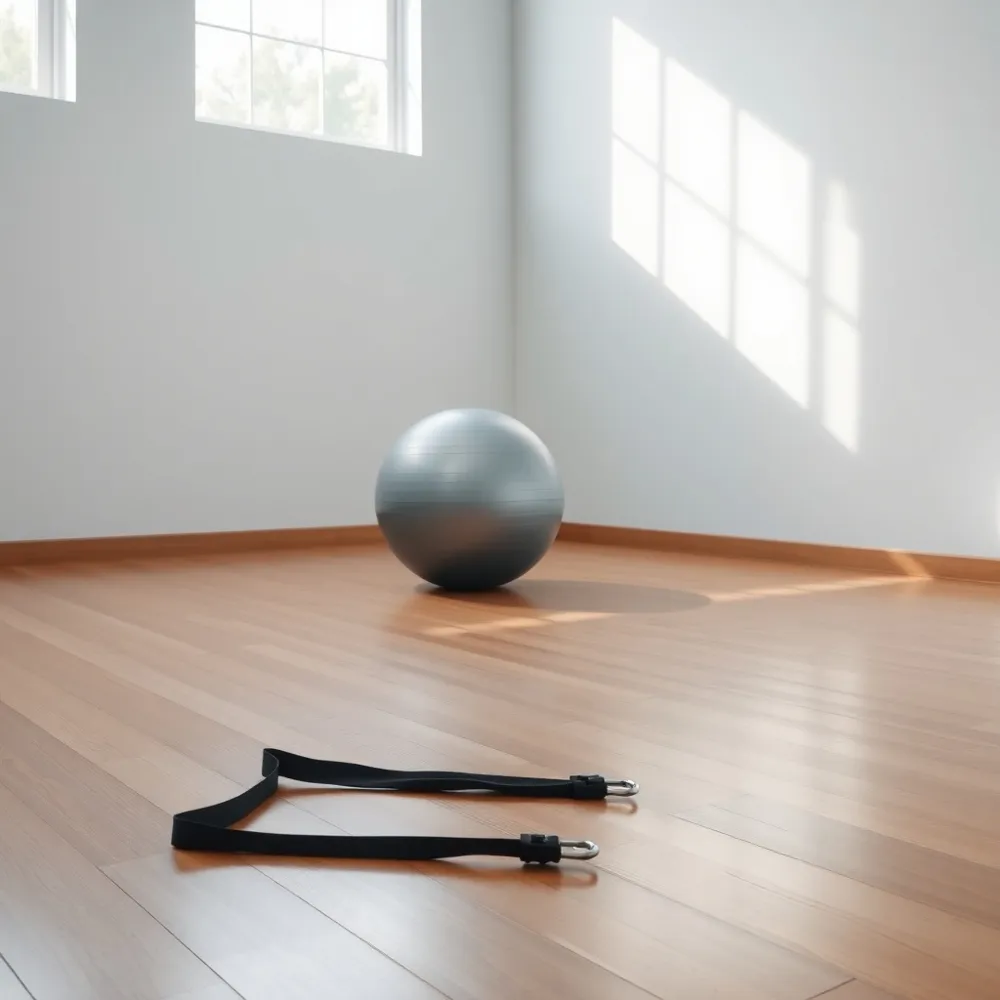 Once an athlete achieves baseline mobility, the focus shifts toward restoring strength and structural integrity. This phase is critical for reversing muscle atrophy that often follows periods of rest or immobilization. By implementing progressive loading, such as isometrics that engage muscles without active joint movement, practitioners help stabilize the area before advancing to resistance training with bands or weights. At Ross Chiropractic, these movements are integrated into customized rehabilitation plans that emphasize controlled, incremental growth to safely load healing tissues.
Corrective exercises form the backbone of this stage. By targeting specific, weakened muscle groups rather than just global movement patterns, therapy ensures the injury site remains supported during higher-intensity activity. While many clinics offer generic programming, the focus at Ross Chiropractic involves rigorous monitoring of biomechanics to ensure that structural gains are made without sacrificing form. This personalized attention stands in contrast to large-scale physical therapy mills where athletes often receive standardized, non-specific exercise packets that may overlook individual compensation patterns.
What are the primary causes of sports injuries?
Sports injuries are generally categorized as either acute, which result from sudden trauma, or chronic, which develop gradually over time due to repetitive stress. Primary causes include accidents such as falls, collisions, or sudden twists that apply excessive force to the body. Additionally, training-related factors like overtraining, inadequate warm-ups, or improper stretching routines significantly increase the risk of injury. The use of improper gear and failing to maintain proper physical conditioning can also make an individual more susceptible to harm. Ultimately, whether caused by an acute impact or repetitive overuse, these injuries occur when the musculoskeletal system is pushed beyond its capacity to handle the physical demands of an activity.
4. Phase 4: Recovering Proprioception and Coordination
As structural strength returns, athletes often overlook the vital sense of proprioception. This is the body's ability to sense its position in space, which is frequently compromised by trauma or long periods of immobilization as noted by the Mayo Clinic Press. When an injury disrupts this sensory feedback, movement becomes less fluid, leaving an athlete vulnerable to accidental stumbles or faulty landing mechanics that trigger re-injury.
- Balance exercises to retrain neural pathways for joint stability.
- Weight-shifting drills that mimic the precise demands of a chosen sport.
- Controlled movement patterns performed on unstable surfaces to engage stabilizing muscles.
At Ross Chiropractic, we integrate these sensorimotor challenges into our recovery programs to go beyond basic strengthening. While typical clinics might stop at lifting weights, we utilize specialized balance training to ensure your nervous system can accurately register limb position during high-intensity activity. Per Nationwide Children's Hospital, this phase is a foundational element in reducing future injury risk because it turns isolated muscle strength into integrated, functional movement.
What are common types of sports injuries?
Common sports injuries often involve the musculoskeletal system and are generally categorized as either acute, occurring from sudden impact, or chronic, resulting from repetitive strain. Some of the most frequently reported injuries include muscle strains caused by overextended fibers and ligament sprains resulting from joints being pushed beyond their normal range, as detailed by the NIAMS. Athletes also frequently experience bone fractures, joint dislocations, and tendinitis, which is an inflammation often caused by overuse. Additionally, contact sports frequently lead to contusions, bursitis, and serious head injuries. Because these conditions impact various areas like the knees, shoulders, and ankles, professional evaluation is essential for proper recovery.
5. Phase 5: Functional Return to Sport-Specific Activity
 The final stage of rehabilitation bridges the gap between clinical healing and the high-intensity demands of competitive athletics. Before returning to unrestricted play, athletes must demonstrate readiness through objective clinical clearance tests. These assessments ensure that the individual exhibits complete pain-free range of motion, symmetrical baseline strength, and joint stability under stress. Unlike generalized fitness, these protocols are tailored to the specific biomechanical pressures of the athlete's chosen discipline.
Transitioning back to sport requires a structured, gradual integration of skills to avoid dangerous intensity spikes. If an athlete moves directly from rehabilitation to full-contact drills, they risk secondary injury or the return of chronic inflammation. By carefully scaling the volume and duration of sport-specific training, the body can adapt to the reintroduction of explosive movements and sudden direction changes. According to the American Academy of Orthopaedic Surgeons, maintaining a consistent, balanced, and structured approach is essential during this shift.
What is the typical recovery timeline for various sports injuries?
Recovery timelines for sports injuries vary significantly depending on the nature and severity of the damage. Minor strains and sprains often resolve within a week of proper at-home care, such as icing and rest, but more severe injuries can require three months or longer for a full recovery. Ligament tears, such as ACL injuries, typically involve a much more extensive rehabilitation process to restore stability and function. Because every athlete heals differently, persistence of swelling, instability, or an inability to bear weight are key indicators that professional assessment is necessary. At Ross Chiropractic, we prioritize personalized care to help you return to your activities safely by restoring alignment and improving mobility throughout your healing journey.
Long-term wellness depends on moving beyond the recovery phase into a consistent preventative maintenance schedule. Even after clearing all performance benchmarks, the body requires ongoing support to address underlying movement patterns that may have contributed to the initial trauma. By scheduling regular assessments, athletes can correct minor biomechanical misalignments long before they escalate into persistent performance limitations or recurrent injury.
Proactive Recovery Strategies and Mental Health
Recovering from a sports injury represents a significant challenge that extends beyond tissue healing. Athletes often manage frustration, loss of identity, and anxiety regarding a return to competition. A positive clinical outlook is a recognized factor in an improved prognosis during rehabilitation. At drallisonrossdc.com, the focus remains on holistic strategies that prioritize mental well-being to support physical outcomes.
What strategies can help manage the mental health aspects of recovering from a sports injury?
Mental strategies like visualization and targeted relaxation exercises act as tools to help athletes maintain a positive mindset. While many sports clinics simply track physical progress, drallisonrossdc.com encourages setting small, achievable goals to maintain consistent motivation. Tracking daily wins prevents the demoralization often seen when athletes compare current progress to past performance.
Practicing focused mental skills training manages the stress inherent in physical downtime and sustains confidence for the return to sport. High-level research into optimal recovery time confirms that addressing the psychological toll is as essential as the physical intervention. By balancing structural care with intentional mental focus, you reduce the risk of secondary psychological setbacks and ensure a more comprehensive transition back to your previous activity levels.
Insights into Chiropractic Care and Modern Medicine
The integration of chiropractic care into contemporary healthcare is driven by a shift toward evidence-based practice and a growing emphasis on non-invasive pain management solutions. While chiropractic education was historically perceived as distinct from traditional medicine, modern programs have increasingly aligned with rigorous research standards. Today, doctors of chiropractic undergo comprehensive clinical training that emphasizes musculoskeletal physiology, diagnostics, and patient-centered treatment plans similar to those found in other medical fields.
Why do some medical professionals express reservations about chiropractic care?
Some medical professionals express reservations about chiropractic care stemming from historical instances where a minority of practitioners promoted unproven health claims that lacked rigorous scientific evidence. Additionally, there have been long-standing debates regarding the safety profiles of specific spinal manipulation techniques, particularly those involving the neck. These concerns are often rooted in a historical divide between traditional medical models and the earlier philosophy of some chiropractic schools. While modern chiropractic education has become increasingly standardized and research-focused, lingering skepticism can persist within some medical circles. However, as chiropractic care continues to demonstrate clinical and cost-effectiveness for musculoskeletal conditions, many healthcare systems are increasingly integrating these non-drug, non-invasive treatments into standard patient care.
At drallisonrossdc.com, the clinical approach bridges these gaps by prioritizing clear communication and evidence-based methodologies. Like many modern integrative clinics, the practice focuses on measurable patient outcomes rather than theoretical models. By working alongside physical therapists and primary care physicians, chiropractors can help provide a cohesive support system for athletes and chronic pain patients alike. This collaborative environment ensures that manual therapies, such as those described in clinical chiropractic research, complement rather than compete with other therapeutic interventions.
Elite Trends in Athletic Chiropractic Utilization
Professional athletes frequently integrate chiropractic care into their training cycles to maintain peak performance, prevent injuries, and extend their athletic careers. By focusing on biomechanical optimization and corrective adjustments, these practitioners help players maintain the structural integrity required for high-impact competition. Unlike traditional reactive medicine, proactive chiropractic care identifies potential movement pattern errors before they manifest as debilitating strains or tears.
How do professional athletes utilize chiropractic care?
Elite competitors in leagues like the NFL and NBA utilize chiropractic support as a standard element of their daily health maintenance. While some general practices rely solely on medication, custom care plans at clinics like drallisonrossdc.com mirror professional-grade protocols by combining spinal adjustments with soft tissue therapy and corrective exercises to support long-term mobility. This collaborative, multi-faceted approach ensures that even non-professional patients benefit from the same level of granular biomechanical assessment seen in world-class athletics.
For the professional athlete, the goal is not just injury repair but career longevity. Regular adjustments improve joint function and reduce the stiffness often caused by repetitive trauma. By correcting minor misalignments early, chiropractors assist high-performance athletes in managing the physical stress of back-to-back games. This comprehensive focus on muscle balance and posture allows them to sustain explosive power, ensuring their bodies remain resilient throughout the demands of professional sports.
Commitment to Long-Term Wellness and Injury Prevention
The journey from acute injury to full performance involves five distinct stages of rehabilitation, beginning with inflammation control and culminating in a confident return to sport. While the initial RICE protocol provides a necessary foundation, sustainable recovery depends on respecting each phase of tissue remodeling and functional progress.
True athletic longevity requires viewing rehabilitation as more than a temporary fix. Unlike generic approaches, the team at drallisonrossdc.com emphasizes personalized care plans that address underlying biomechanical imbalances rather than just symptoms. By integrating non-invasive therapies like spinal adjustments and corrective exercises, athletes can build a foundation that prevents future overuse cycles.
Proactive maintenance is the best defense against the recurring pain that often plagues athletes who neglect their post-recovery health. Whether recovering from a strain or managing long-term joint health, committing to consistent wellness practices at drallisonrossdc.com ensures the body remains resilient against the physical demands of any sport.