Introduction
Recurring back pain affects millions and often follows a frustrating cycle of temporary relief followed by another flare‑up. Research indicates that up to 70% of individuals who recover from an initial episode experience a recurrence within one year. This article examines why back pain returns, focusing on the underlying structural, postural, and lifestyle factors that are commonly left unaddressed during initial treatment. Readers will learn evidence‑based strategies—from targeted exercise and ergonomic adjustments to non‑invasive therapies—that can break the recurrence cycle and support lasting spinal health.
Understanding Why Back Pain Returns
Why Your Back Pain Keeps Coming Back
Recurring back pain often stems from untreated underlying causes. Hidden structural issues, poor posture, muscle imbalance, sedentary lifestyle, and conditions like herniated discs, sciatica, arthritis, and spinal stenosis cause recurring back pain. Muscle imbalances and poor posture from prolonged sitting or weak core muscles create compensatory strain that triggers new flare‑ups. Medical conditions like herniated discs, arthritis, or spinal stenosis may also reactivate pain when daily habits go uncorrected. Without addressing these root causes through personalized care—including chiropractic adjustments, targeted exercises, and ergonomic changes—the cycle of temporary improvement followed by relapse continues.
Risk Factors and Demographic Influences
Key risk factors include poor posture, repetitive lifting, a sedentary lifestyle, excess weight, and age‑related changes. In males, occupational strain, sports injuries, and degenerative disc disease are common. Females face unique factors: a wider pelvis, hormonal changes during menstruation or pregnancy, and higher rates of osteoarthritis and sacroiliac joint dysfunction. All these factors increase vulnerability to back pain recurrence.
Red Flags of Back Pain
- Severe or progressive pain unrelieved by rest.
- Numbness, tingling, or weakness in the arms or legs.
- Sudden loss of bowel or bladder control.
- Back pain accompanied by fever or localized tenderness.
- Unexplained weight loss alongside back pain.
Prompt evaluation for these red flags is crucial to prevent serious complications.
Fast and Effective Pain Relief
Instant Relief Techniques
For immediate pain relief, apply an ice pack for 15–20 minutes to reduce inflammation, then switch to a heating pad to relax tense muscles. Gentle stretches like the knee‑to‑chest or cat stretch release muscle tension. Over‑the‑counter anti‑inflammatories, such as ibuprofen, can provide temporary relief. To address the root cause, a targeted chiropractic adjustment combined with cold laser therapy offers fast, drug‑free results by realigning the spine and reducing nerve irritation.
Managing Severe Lower Back Pain
For severe lower back pain, combine professional chiropractic care with at‑home measures. Chiropractic adjustments, spinal decompression, and myofascial release address structural issues without surgery. As recommended by Mayo Clinic, gentle exercises like knee‑to‑chest stretches, pelvic tilts, and the bridge strengthen core muscles and improve flexibility. If pain persists beyond a few weeks, radiates to the legs, or disrupts sleep, seek professional evaluation to prevent chronic pain.
Home Remedies and Self‑Care After Surgery
After back surgery, gentle walking and prescribed stretching improve blood flow. Cold packs reduce swelling, while heat relieves muscle tightness later. An anti‑inflammatory diet rich in omega‑3s and turmeric supports recovery. Core‑strengthening exercises like pelvic tilts and gentle bridges stabilize the spine long‑term. Always consult a chiropractor or surgeon before starting any home remedy to ensure it suits your recovery stage.
Women‑Specific Back Pain Care

Lower Back Pain in Women
Causes include hormonal shifts, pregnancy, and conditions like endometriosis or osteoporosis. Core‑strengthening exercises (bridges, cat stretch), posture correction, and regular low‑impact activity reduce recurrence. Avoid prolonged sitting and use proper lifting mechanics.
Pregnancy‑Related Considerations
Pregnancy alters posture and stretches abdominal muscles, straining the lower back. Sleeping with a pillow under the knees (back sleepers) or between the knees (side sleepers) eases pressure. Gentle chiropractic adjustments, myofascial release, and cold laser therapy can relieve pregnancy‑related discomfort without medication.
Female‑Focused Treatment Strategies
Personalized care combines chiropractic adjustments, spinal decompression, and corrective exercises. For sudden pain, rule out red flags (loss of bowel/bladder control). Non‑invasive therapies address muscle strain and alignment. Education on ergonomics and stress management supports long‑term relief.
Managing Back Pain After Surgery
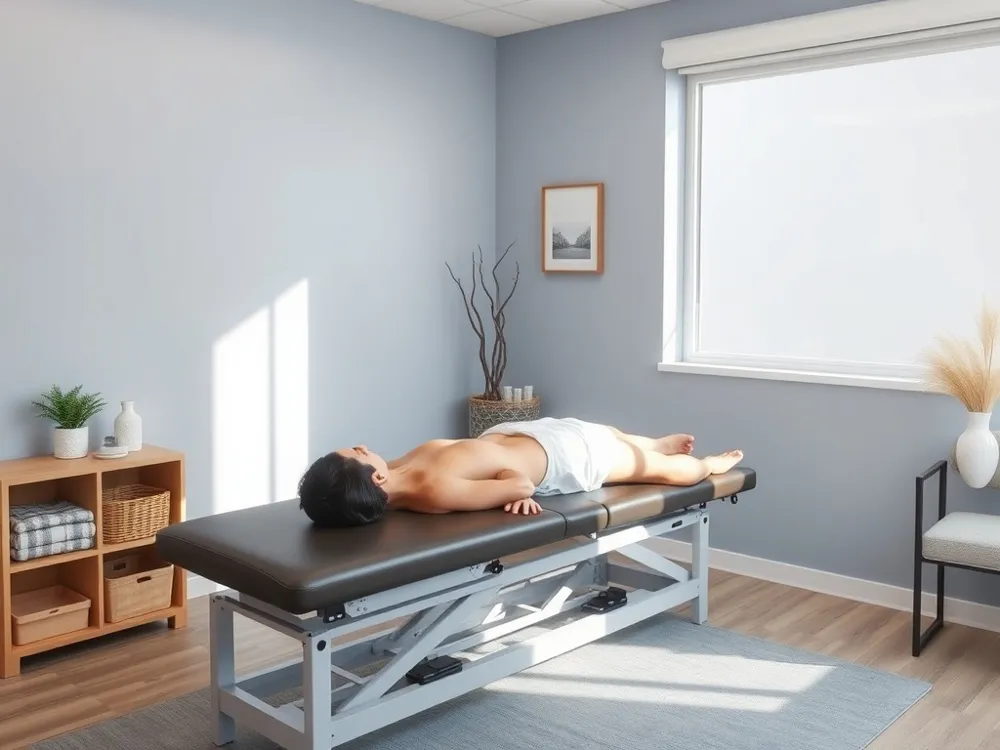 Post‑surgical back pain is common, but persistent symptoms require careful evaluation. Failed back surgery syndrome (FBSS) and adjacent segment disease are key causes. Non‑invasive chiropractic care offers effective rehabilitation.
Is it normal to have back pain after surgery?
Some discomfort is expected, but pain lasting over a year may indicate FBSS, scar tissue, or new degeneration. A thorough assessment helps identify the source.
Back pain after abdominal surgery
Abdominal incisions can weaken core muscles, shifting strain to the lower back. Gentle spinal adjustments, myofascial release, and core activation exercises restore function without stressing the surgical site.
Back pain 2 years after surgery
Chronic pain this long post‑op often stems from FBSS, epidural fibrosis, or adjacent segment disease. Chiropractic decompression, cold laser therapy, and corrective exercises can reduce inflammation and improve mobility.
How to relieve back pain after surgery
Myofascial release, spinal decompression, and custom orthotics address muscle tension and alignment. A gradual return to low‑impact activity, guided by a chiropractor, supports lasting relief.
Lower back pain after surgery
FBSS is a common cause. Chiropractic adjustments and myofascial release reduce nerve irritation, while core stabilization exercises rebuild strength, preventing recurrence.
Exercise, Ergonomics, and Lifestyle for Prevention
Core‑Strengthening Routines
Daily core‑strengthening exercises—such as planks, bridges, and cat‑stretch core exercises—help stabilize the lumbar spine and reduce recurrence risk by up to 40%. For severe lower back pain, combining chiropractic adjustments with targeted moves like knee‑to‑chest and lower back rotational stretches and pelvic tilts, bird‑dog, and glute bridges 3–5 times weekly addresses underlying disc or muscle imbalances, offering drug‑free relief. Women can ease pain by performing these exercises daily, while men—often affected by occupational strain and sports injuries—benefit from core work that counteracts muscle strain and disc degeneration.
Ergonomic Workstations and Micro‑Breaks
Poor posture and prolonged sitting are major risk factors for back injury. Ergonomic adjustments—monitor at eye level, lumbar support, feet flat—lower recurrence rates by up to 30%. Taking micro‑breaks every 30–60 minutes to stand, stretch, and check posture counteracts static spinal loading. Proper lifting technique (bending knees, holding load close) prevents acute strain. For men, this is especially critical given their higher exposure to heavy lifting and repetitive tasks.
Weight Management, Nutrition, and Anti‑Inflammatory Diet
Excess weight increases mechanical stress on the lumbar spine and accelerates disc degeneration. An anti‑inflammatory diet rich in omega‑3s (salmon, chia seeds) and calcium‑dense vegetables (kale, spinach) reduces systemic inflammation, a key contributor to chronic back pain. Losing 5–10% of body weight can significantly lower recurrence risk. Smoking cessation is essential, as it impairs disc nutrition and slows healing.
Hydration, Sleep, and Stress Reduction
Adequate hydration supports disc height and flexibility. Sleeping with a pillow under the knees (back sleepers) or between the knees (side sleepers) maintains neutral spine alignment. Chronic stress leads to muscle guarding and heightened pain perception; mindfulness, meditation, and cognitive‑behavioral therapy can reduce this. Combined with regular sleep hygiene, these practices help prevent back pain from returning. Addressing risk factors like age, poor posture, and previous injuries through a holistic, non‑invasive approach is the most effective long‑term strategy.
Choosing the Right Professional and Holistic Approach

What doctor to see for back pain?
Start with your primary care physician for an initial evaluation and referral. Many common causes—muscle strains, disc injuries, sciatica—respond well to non‑invasive care. A chiropractor is an excellent choice for drug‑free, hands‑on treatment, particularly for spinal alignment or nerve compression. Choosing a provider who emphasizes personalized, non‑surgical strategies can help you achieve lasting relief without unnecessary procedures.
Can chiropractic adjustments cause emotional release?
Yes. Chiropractic adjustments can help release emotional trauma stored in the body. When physical tension from stress or injury is held in the spine, adjustments release that stored tension, often allowing emotional healing alongside physical relief. This process addresses both physical and emotional pain, supporting a more balanced recovery. For severe trauma, additional therapy may be needed, and a chiropractor can provide referrals.
How do people live with chronic back pain?
People manage chronic back pain by staying active with core strengthening, stretching, and low‑impact activities like walking or swimming. They also use mindfulness, adjust their diet to reduce inflammation, and maintain good posture. Non‑surgical treatments such as chiropractic adjustments, myofascial release, and cold laser therapy help restore function. Working closely with a specialist to create a personalized plan focusing on long‑term mobility and quality of life without reliance on surgery or drugs is key.