Introduction to Spinal Decompression Therapy
What is Spinal Decompression Therapy?
Spinal decompression therapy is a nonsurgical, non-invasive treatment designed to relieve back and neck pain. It works by gently stretching the spine to reduce pressure on spinal discs and nerves. This stretching creates negative pressure within the discs, which can help retract bulging or herniated disc material, allowing nutrients and oxygen to flow back into damaged areas and promote healing.
How Does It Work?
Using specialized motorized traction tables controlled by computers, this therapy precisely pulls the vertebrae apart. Sessions typically last between 20 and 45 minutes, and a treatment plan often involves multiple sessions over several weeks. The process encourages natural healing by improving blood flow, reducing inflammation, and easing nerve compression.
Conditions Treated
Common medical issues addressed include herniated and bulging discs, degenerative disc disease, sciatica, spinal stenosis, and facet joint syndrome. This therapy offers relief by targeting the underlying pressure causing nerve irritation and pain.
Its Role in U.S. Treatment Strategies
In the United States, spinal decompression is part of a stepped conservative care approach, often used before considering surgical options. It complements other non-invasive treatments like physical therapy and chiropractic care, aiming to reduce pain and improve function without surgery or medication.
What Conditions Benefit from Spinal Decompression Therapy?
What is spinal decompression therapy?
Spinal decompression therapy is a non-invasive procedure that stretches the spine gently to alleviate nerve pressure. It reduces discomfort and promotes natural healing by increasing the flow of fluids, nutrients, and oxygen into spinal discs. This therapy targets issues such as herniated or bulging discs, degenerative disc disease, sciatica, and spinal stenosis.
Types of spinal conditions treated
Spinal decompression therapy treats a range of conditions including:
- Herniated discs: Helps retract bulging disc material, relieving nerve pressure.
- Bulging discs: Reduces pressure inside the disc space to ease pain.
- Degenerative disc disease: Enhances nutrient flow for disc repair.
- Spinal stenosis: Expands spinal space, reducing nerve compression.
- Sciatica and pinched nerves: Alleviates irritated nerve roots and associated symptoms.
- Facet joint syndrome: Relieves pain and stiffness by decompressing affected joints.
Relief of nerve compression and inflammation
By stretching the spine, decompression creates negative pressure that encourages herniated or bulging discs to move back into place. This reduces inflammation around nerve roots, alleviating symptoms such as pain, tingling, numbness, and muscle weakness.
Improvement in mobility and pain reduction
Patients often experience significant pain relief and improved mobility after several sessions. The therapy promotes healing without surgery or medication, enabling individuals to return to daily activities quickly.
Complementary non-surgical approaches
Spinal decompression is frequently combined with other non-invasive treatments like chiropractic care, physical therapy, acupuncture, and nerve stimulation to enhance outcomes and sustain long-term relief.
How spinal decompression aids natural healing
The gentle traction improves spinal disc hydration and blood flow, critical for tissue repair since discs lack direct blood supply. Enhanced circulation delivers oxygen and nutrients that support disc regeneration and decrease inflammation, promoting lasting spinal health. See more about healing with disc rehydration.
Indications and Candidate Suitability for Spinal Decompression
What are the indications for spinal decompression therapy?
Spinal decompression therapy is mainly indicated for individuals experiencing chronic pain related to compression of spinal nerves. Common Conditions treated by spinal decompression include herniated or bulging discs, degenerative disc disease, spinal stenosis, and sciatica. These conditions often cause nerve irritation and persistent back, neck, or leg pain, which spinal decompression aims to alleviate by reducing pressure within the disc space.
Who is a good candidate for spinal decompression therapy?
Good candidates include adults suffering from herniated or bulging discs, spinal stenosis, sciatica, and chronic back or neck pain that has not sufficiently improved with other conservative treatments. Many patients, including older adults, can safely undergo therapy provided they do not have contraindications such as osteoporosis, spinal fractures, metal implants, or bleeding disorders. For more detailed guidance on Potential candidates for spinal decompression therapy and Contraindications for Spinal Decompression, refer to specialist resources.
How do healthcare providers determine if spinal decompression is appropriate?
Assessment typically involves thorough evaluation of the patient's spine health using diagnostic tests such as MRI for Spine Diagnosis, CT scans for spine evaluation, X-rays in back pain diagnosis, and possibly Nerve conduction studies or Electromyography for nerve assessment studies. These tools help confirm the diagnosis and severity of conditions like disc herniation or stenosis. Patients are carefully screened to exclude contraindications such as pregnancy, abdominal aortic aneurysm, infection, spinal fractures, or presence of implants. The evaluation protocols used in U.S. clinical practice emphasize personalized care and patient safety.
What are common contraindications and considerations?
Certain factors can disqualify patients from spinal decompression therapy. These include advanced osteoporosis, spinal fractures, tumors, pregnancy, metal implants in the spine, and acute infections. Patients with worsening pain during treatment are advised to discontinue therapy. This careful candidate selection ensures patient safety and optimizes treatment outcomes. For a comprehensive overview of Contraindications for Spinal Decompression, please consult relevant clinical references.
Spinal decompression is a targeted, Non-surgical back pain solution best suited for patients identified through detailed clinical and imaging evaluations. The evaluation protocols used in U.S. clinical practice emphasize personalized care and patient safety, supporting the therapy's role in conservative spine management.
Treatment Process, Safety, and Effectiveness of Spinal Decompression Therapy
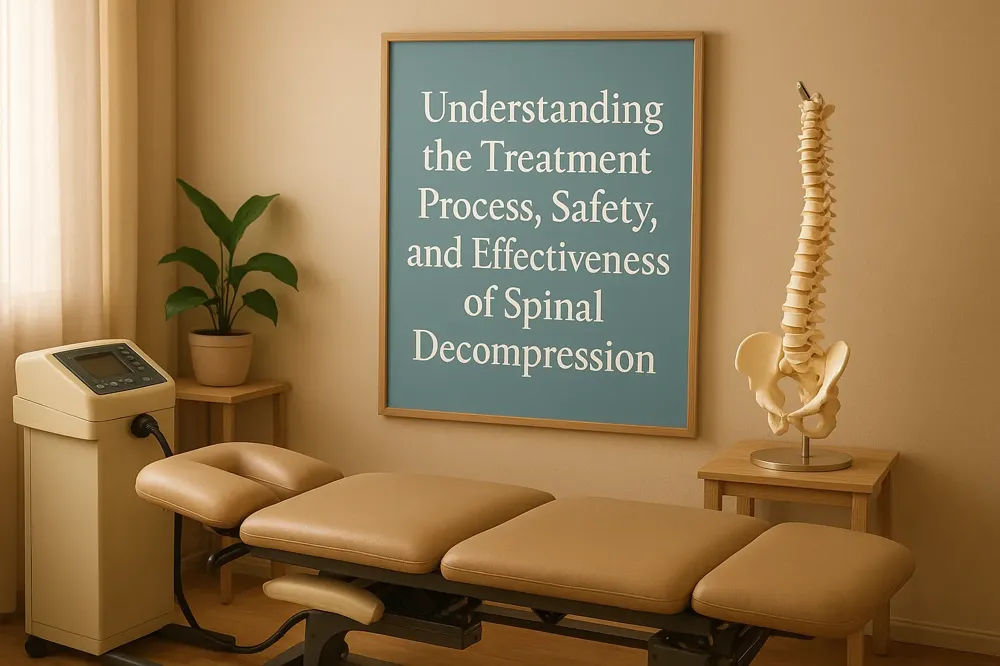
What does a typical treatment session look like?
Typical spinal decompression sessions usually last between 20 to 45 minutes. Patients recline comfortably on a specialized motorized traction table, commonly controlled by a computer system like the DRX 9000 or SpineMED. During treatment, a pelvic harness secures the patient, while gentle spinal stretching gradually separates the vertebrae. Most patients experience the procedure as painless, with many reporting improvement after just a few sessions.
How does spinal decompression work?
The therapy works by creating negative pressure spinal discs through controlled traction. This traction decompresses bulging or herniated discs, allowing them to retract and reducing pressure on nearby nerves. Improved circulation brings oxygen, nutrients, and fluids back into the discs, promoting healing with disc rehydration.
What is the safety profile and what risks should be considered?
Spinal decompression therapy is generally safe and non-invasive, causing minimal side effects. Some patients may experience mild muscle spasms or temporary increases in pain following treatment. Serious risks are rare but can include nerve irritation or symptom worsening if not properly managed. Potential candidates for spinal decompression therapy screening excluding those with pregnancy, fractures, implants, or severe osteoporosis is critical. Individualized treatment plans and continuous monitoring help mitigate risks.
How effective is spinal decompression therapy?
Clinical reports suggest success rates between 86% and 92% for reducing back pain, especially when using computerized protocols such as IDD Therapy®. Patients often achieve pain relief, improved mobility, and enhanced quality of life. While decompression therapy is effective for many conditions like herniated discs and sciatica, outcomes may vary based on individual factors. See more on spinal decompression therapy benefits and effectiveness.
Why is personalized care important?
Each patient’s spinal condition and overall health differ, requiring personalized chiropractic treatment. Personalization ensures safety, maximizes effectiveness, and addresses any contraindications. Also, clinicians adjust treatment intensity based on patient feedback and response, optimizing recovery while minimizing discomfort.
Pros and Cons: Evaluating Spinal Decompression Therapy
What are the pros and cons of spinal decompression therapy?
Spinal Decompression Therapy is prized for its non-invasive approach to treating back and neck pain caused by conditions like herniated discs, sciatica, and degenerative disc disease. By gently stretching the spine on a specialized table, it creates negative pressure within the discs that can help retract bulging material and decrease nerve compression. This process promotes increased blood flow, delivering essential nutrients and oxygen that foster natural healing and reduce inflammation.
The advantages include significant pain relief, improved mobility, and function restoration without the need for surgery or medication. Patients often appreciate the minimal downtime, with most able to resume normal activities immediately after sessions. Additionally, the therapy supports long-term spinal health by enhancing nutrient flow and potentially preventing the progression of degenerative conditions.
However, Spinal decompression therapy does require a commitment to multiple treatment sessions typically spread over several weeks, and outcomes can vary widely among patients. Some may experience mild soreness or short-lived spasms, and the therapy does not suit everyone. People with contraindications such as pregnancy, spinal fractures, metal implants, severe osteoporosis, or certain vascular conditions should avoid it.
Compared to surgical options, spinal decompression carries fewer risks such as infection, bleeding, or nerve damage and does not involve anesthesia or long recovery periods. Yet, for severe or unresponsive cases, surgery might be necessary. Moreover, other conservative treatments like Ross Chiropractic Services, physical therapy, and exercise are often integrated into comprehensive care plans.
At clinics like Ross Chiropractic, Spinal decompression therapy is offered as part of a holistic treatment strategy that prioritizes patient safety and individualized care. By combining decompression with chiropractic adjustments and other therapies, these practices aim to optimize pain relief and spinal function without surgery.
| Aspect | Benefits | Limitations |
|---|---|---|
| Non-Invasiveness | Avoids surgery and meds, minimal downtime | Not suitable for all patients (Suitability criteria for spinal decompression) |
| Pain Relief | Effective for many spinal conditions (Spinal decompression therapy benefits) | Variable results |
| Treatment Duration | Multiple short sessions (Typical spinal decompression sessions) (30-45 minutes) | Requires patient commitment (Duration and frequency of decompression |
| Risk | Low risk of complications (Safety considerations in spinal decompression therapy | Mild soreness or spasms possible |
| Comparison to Surgery | Less risky, no anesthesia, quicker recovery (Surgical decompression procedures) | May not work for severe cases (Risks of spinal decompression surgery |
| Role in Care Plans | Supports holistic, non-surgical management (Chiropractic care for back pain) | Needs integration with other care |
Additional Considerations and Complementary Care in Spinal Decompression Therapy
Role of Diagnostic Imaging and Tests to Guide Treatment
Before beginning Spinal decompression therapy, diagnostic tests such as Spinal MRI scans, CT scans for spine evaluation, Bone scans for spine issues, and Electromyography for nerve assessment are crucial. These tools assess the severity of spine conditions like herniated discs and spinal stenosis, helping practitioners tailor the therapeutic approach precisely.
Complementary Therapies Support Healing
Spinal decompression therapy is often combined with Chiropractic adjustments for back pain, Physical Therapy for Spine Health, laser therapy, and prescribed exercises. These additional treatments enhance circulation, promote tissue repair, and help correct posture, providing more comprehensive and effective pain relief.
Importance of Patient Education and Preventive Strategies
Educating patients on proper body mechanics and lifestyle modifications is vital. Simple home exercises like pelvic tilts and stretches support spinal health and prevent recurrence of pain. Resources on Complementary Home Exercises for Back Pain provide excellent guidance.
Long-Term Benefits and Quality of Life Improvements
Consistency with treatment plans promotes Healing with disc rehydration and improves mobility. Patients often experience reduced pain, enhanced function, and a better overall quality of life long after therapy concludes.
Customizing Treatment Plans at Practices like Ross Chiropractic
Clinics such as Ross Chiropractic Services emphasize personalized care by assessing individual spinal health and adjusting treatment techniques accordingly. This patient-centric approach optimizes safety and effectiveness, aligning with modern, non-invasive standards in U.S. chiropractic care.
Is Spinal Decompression Therapy the Right Choice for You?
Understanding Spinal Decompression Therapy
Spinal decompression therapy is a safe, non-invasive treatment that gently stretches the spine to relieve pressure on discs and nerves. It is effective for conditions such as herniated and bulging discs, sciatica, degenerative disc disease, and spinal stenosis. This therapy promotes healing by improving blood flow and nutrient exchange, often helping patients avoid surgery.
Personalized Care and Safety
Each patient receives a thorough evaluation to ensure suitability for treatment. Conditions like pregnancy, fractures, or spinal implants may exclude some individuals from therapy. Treatments are tailored to your specific needs, maximizing safety and effectiveness.
Benefits and Outcomes
Many patients experience significant pain relief and improved mobility after several sessions, with minimal downtime. The therapy supports natural healing processes, offering a drug-free alternative that aligns with conservative care practices.
Taking the Next Step
Consulting healthcare professionals is essential to determine if spinal decompression is appropriate for you. At Ross Chiropractic, personalized assessments guide treatment plans designed to restore function and reduce pain without surgery. Explore this option to find relief and regain your quality of life.