Understanding Non‑Surgical Spinal Decompression
Non‑surgical spinal decompression is a motorized traction technique that gently stretches the spine, creating negative pressure within the intervertebral discs. This negative pressure can encourage bulging or herniated disc material to retract and promote the flow of water, oxygen, and nutrients into the disc to support natural healing.
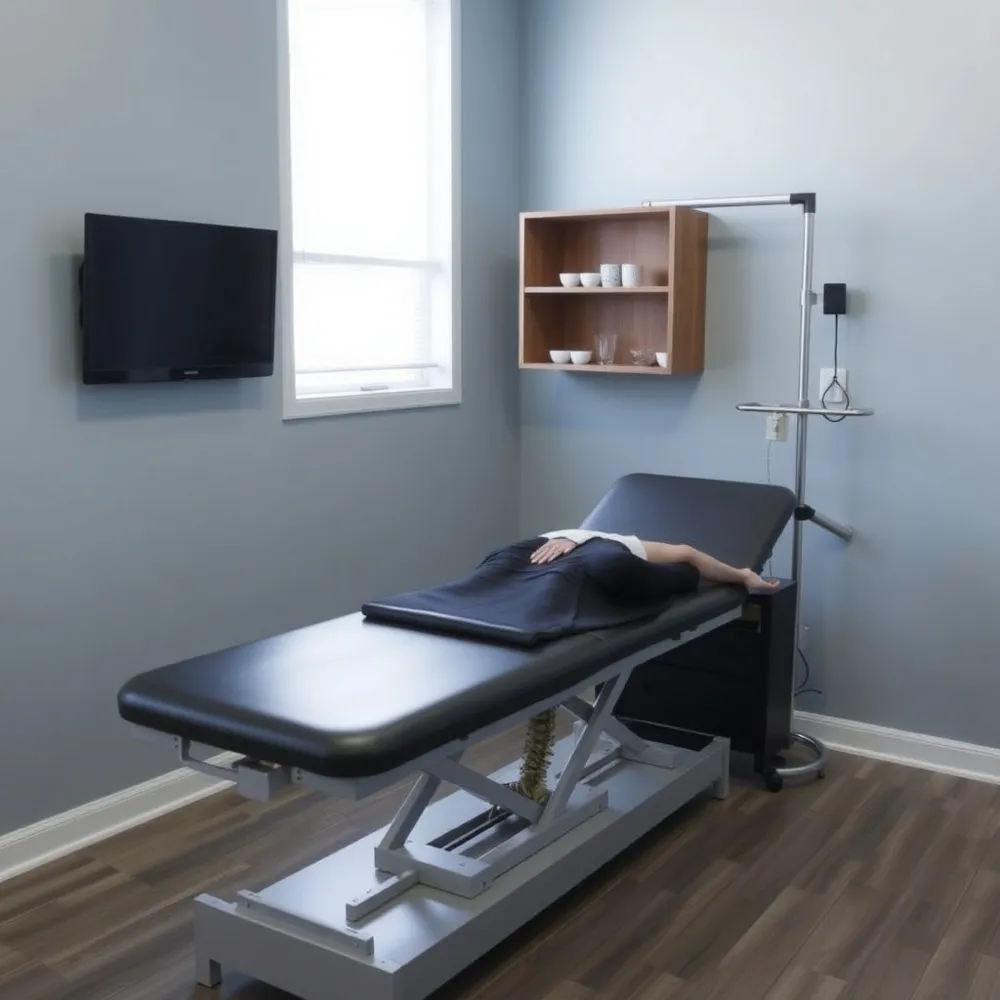
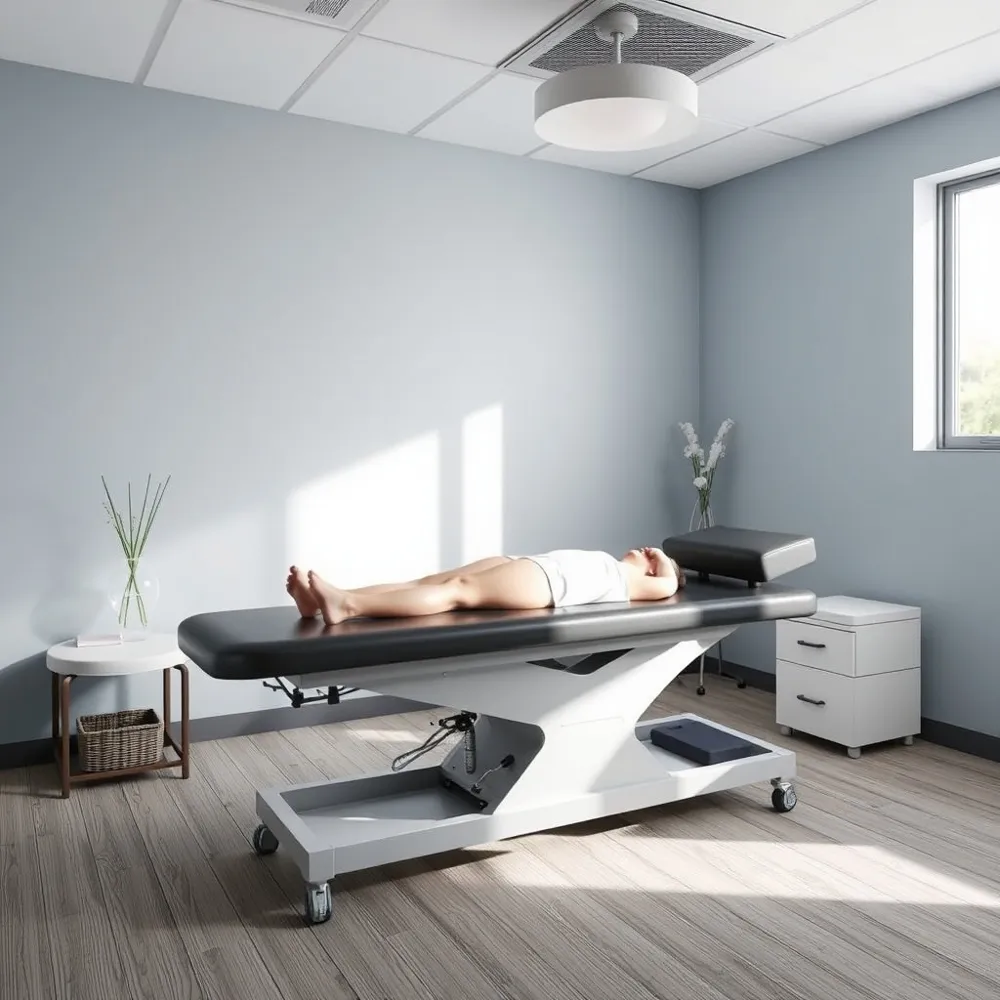
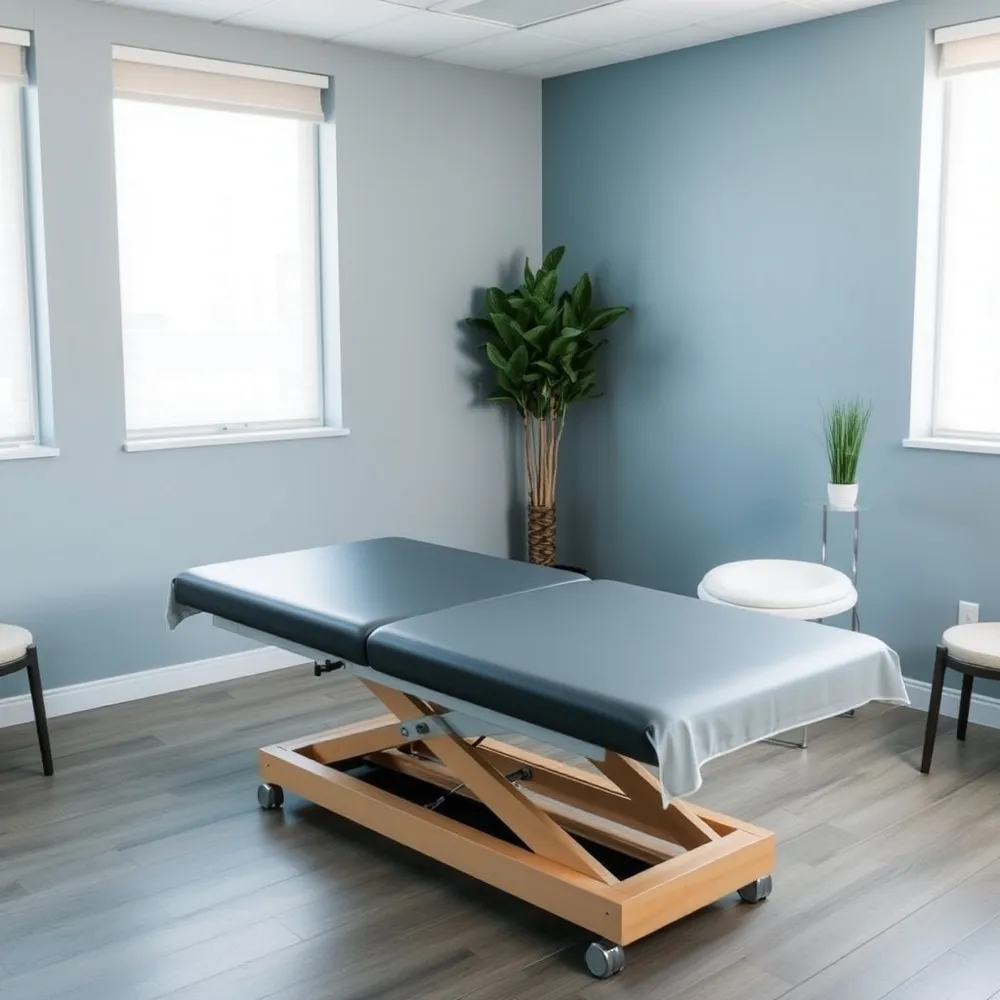
During a session, you remain fully clothed while a doctor fits harnesses around your pelvis and trunk. You lie on a computer‑controlled table that customizes the traction force, angle, and duration. The table alternates between gentle pulling and relaxation cycles, allowing the spine to stretch without triggering muscle spasms.
This therapy is commonly used to treat back or neck pain, sciatica (pain or tingling extending down the leg), bulging or herniated discs, degenerative disc disease, worn spinal joints (posterior facet syndrome), and injured nerve roots.
A typical session lasts 30 to 45 minutes. Most patients undergo a course of 20 to 28 sessions over five to seven weeks. Additional therapies such as electrical stimulation, ultrasound, or heat/cold therapy are often used before or after decompression.
Is Spinal Decompression Right for Your Back Pain?
 Not every person with back pain is a candidate for non‑surgical spinal decompression. The therapy works best when imaging — MRI or CT — confirms disc pathology such as a herniated, bulging, or degenerated disc that is pressing on a nerve root. Candidates typically experience radiating pain, numbness, or tingling down one leg (sciatica) or into the arm, and have not found adequate relief from rest, over‑the‑counter medication, or physical therapy alone.
Signs That You May Benefit
Several common indicators suggest that spinal decompression could help. Persistent low‑back or neck pain that lasts three months or longer is a frequent starting point. So are symptoms such as leg‑dominant pain (pain greater in the leg than the back), cramping or weakness in the legs when walking (spinal stenosis), limited mobility, and a feeling of spinal instability. Patients who already rely on daily pain medication or have been told that surgery is the next step are also strong candidates.
When to Avoid Spinal Decompression
Spinal decompression is not safe for everyone. Contraindications include recent vertebral fractures, spinal tumors, metal implants in the spine (e.g., rods, screws, artificial discs), severe osteoporosis, pregnancy, abdominal aortic aneurysm, advanced spondylolisthesis (a slipping vertebra), active spinal infections, and certain nerve disorders such as cauda equina syndrome. A thorough evaluation — patient history, physical exam, and imaging — performed by a qualified practitioner is essential to rule out these conditions before starting therapy.
How Spinal Decompression Works and What to Expect
Non‑surgical spinal decompression uses a computer‑controlled traction table to gently stretch the spine at precise forces, angles, and intervals. This creates negative intradiscal pressure — a vacuum effect within the disc — which can help retract bulging or herniated disc material and pull nutrients, oxygen, and water into the damaged area to support natural healing.
During a session, you remain fully clothed while a harness is placed around your pelvis and trunk. The motorized table then alternates between gentle pulling and relaxation cycles, lasting only a few seconds each. This cycling reduces muscle guarding (the body’s natural tendency to resist sustained stretch), allowing the targeted spinal segment to be distracted more effectively than with traditional traction.
A typical treatment lasts 30 to 45 minutes. Most patients describe the sensation as relaxing rather than painful; many even doze off. A full course usually involves 20 to 28 sessions spread over five to seven weeks, though the exact number is tailored to your condition and how you respond.
Adjunct Modalities That Enhance Results
Spinal decompression is rarely used in isolation. Chiropractors commonly pair it with electrical stimulation (TENS), ultrasound, or heat and cold therapy before or after the traction portion to reduce inflammation and relax surrounding muscles. Many practitioners also integrate chiropractic adjustments, myofascial release, cold laser therapy, corrective exercises, and custom orthotics into the care plan.
At Ross Chiropractic in San Jose, CA, Dr. Allison Ross combines spinal decompression with these adjunct therapies to address both the disc pathology and the muscular imbalances that often accompany chronic back pain. This multi‑modal approach aims to restore spinal alignment, improve posture, and reduce reliance on medication or surgery.
Recovery Timeline
Recovery after lumbar decompression therapy varies by individual and condition severity. Some patients notice relief after just a few sessions; for most, significant pain reduction occurs within four to six weeks. Mild soreness or muscle fatigue can happen early in treatment but typically subsides within days. Full functional recovery — including return to normal activities — often takes up to twelve weeks.
Pros, Cons, and the Evidence Behind Spinal Decompression
 Choosing non‑surgical spinal decompression means avoiding the risks of surgery—infection, bleeding, anesthesia reactions, and nerve damage—while still addressing disc‑related pain. The therapy is drug‑free, uses a computer‑controlled table to create negative pressure within the disc, and can be combined with chiropractic adjustments, myofascial release, and corrective exercises for a comprehensive care plan.
At Ross Chiropractic in San Jose, CA, Dr. Allison Ross integrates spinal decompression with cold laser therapy and custom orthotics to target individual biomechanical issues. This patient‑focused approach supports natural disc healing by improving nutrient flow and reducing nerve root compression.
However, the therapy requires a meaningful time commitment. Most plans involve 20–28 sessions over five to seven weeks, each lasting 30–45 minutes. Outcomes vary depending on a patient's age, severity of disc degeneration, and overall health. Some individuals experience temporary muscle soreness or a mild increase in pain early in treatment.
What the Research Says
The evidence base for non‑surgical spinal decompression remains limited. A systematic review identified only one small randomized controlled trial comparing a VAX‑D device to TENS; it reported short‑term improvement in 68% of the decompression group versus none in the control group, but the study suffered from a small sample size and lack of blinding. Larger case series have claimed success rates of 71–86% based on pain scores, yet those results are often confounded by concurrent therapies and lack control groups.
Physiologic studies show that decompression can reduce intradiscal pressure by 25 to 160 mm Hg in some subjects, though the clinical significance of this reduction has not been confirmed in high‑quality trials. No study has directly compared spinal decompression to standard chiropractic adjustments or therapeutic exercise using rigorous methods.
Balancing Benefits Against Commitment
Integrating Spinal Decompression with Holistic Care
Non‑surgical spinal decompression yields the best results when it is part of a broader holistic care plan. At Ross Chiropractic in San Jose, CA, decompression is combined with chiropractic adjustments to restore proper spinal alignment and joint mobility. Myofascial release and cold laser therapy help relax tight muscles and reduce inflammation, preparing the spine for each decompression session.
Corrective exercises and custom orthotics address underlying biomechanical issues, strengthening core muscles and improving posture to maintain the gains from treatment. Patient education is equally important — understanding ergonomics, activity modification, and home stretches helps patients actively participate in their recovery and prevent recurrence.
While a personalized exercise and physical therapy program remains the most common non‑surgical treatment for back pain, adding spinal decompression can accelerate relief for disc‑related conditions. At Ross Chiropractic, this integrated model — combining adjustments, soft‑tissue work, and patient education — offers a natural pathway to long‑term spinal health.
Managing Back Pain at Home and When to Seek Professional Help
For mild to moderate lower back pain, start with gentle stretches like knee‑to‑chest, cat‑cow, and pelvic tilts to improve flexibility and support the spine. Stay active with low‑impact activities such as walking or swimming for about 30 minutes three times a week. Apply ice for the first 48 hours to reduce inflammation, then switch to heat to relax tight muscles. Over‑the‑counter anti‑inflammatory medication can help if needed. Maintaining proper posture while sitting and standing also reduces strain.
If pain is severe, use an ice pack for the first 24–48 hours, then apply heat. Gentle movements like knee‑to‑chest stretches and pelvic tilts keep the back mobile without extra stress. These steps often provide quick relief, but if pain persists beyond a few days or worsens, it's time to see a specialist. Schedule a consultation with Dr. Allison Ross for a personalized, non‑invasive approach that can include spinal decompression and chiropractic adjustments to address the root cause of your pain without surgery or drugs.
- Pain that does not improve after a few days of home care
- Sharp or radiating pain, numbness, or weakness in the legs
- Difficulty standing, walking, or performing daily activities
- History of injury or recent accident
Practical Considerations: Cost, Sessions, and Long‑Term Outlook
 The cost of spinal decompression therapy in San Jose typically ranges from $50 to $150 per session. Most clinics offer package discounts for a full course of 15 to 30 sessions, bringing the total investment to roughly $750 to $7,500. Initial examination fees average around $113, and some providers offer a $49 initial exam with X‑rays. Insurance coverage varies, so patients should verify benefits and consider HSA/FSA options or payment plans.
Spinal decompression is not usually a permanent fix, but it can provide lasting relief when combined with ongoing care. Results depend on the underlying condition and the patient's commitment to post‑treatment exercises and lifestyle adjustments. Natural aging and degeneration continue, so maintenance programs — such as periodic follow‑up sessions and a home exercise routine — are essential for long‑term success. In San Jose, Ross Chiropractic offers personalized care plans that integrate spinal decompression with corrective exercises and posture training to help patients sustain their results.
Making an Informed Decision for Your Spine Health
Non‑surgical spinal decompression offers a path to pain relief without the risks of surgery, promoting natural disc healing through controlled traction. However, it is not a one‑size‑fits‑all solution—success depends on accurate diagnosis and appropriate patient selection.
A thorough professional evaluation, including imaging and medical history, is essential to determine whether decompression is right for you. If you are considering this therapy, the next step is to schedule a consultation with a qualified provider like Ross Chiropractic in San Jose, CA, where Dr. Allison Ross can design a personalized care plan that aligns with your health goals.