Understanding Injury Recovery
Recovery times differ because each tissue type—muscle, tendon, ligament, bone—has a unique blood supply and cellular makeup. Muscles, with rich vascularity, often remodel within 2‑8 weeks, while tendons and ligaments, which receive less blood, may need 3 weeks to a year, especially when the injury is severe or surgical repair is required. The grade of the injury (e.g., Grade 1 sprain vs. Grade 3 tear), the athlete’s age, nutrition, comorbidities, and whether the injury is recognized early all shift the timeline. Early inflammation, proper loading, and progressive rehabilitation accelerate the proliferative and remodeling phases, whereas prolonged immobilization can lead to stiffness and delayed healing.
Key factors that speed or slow repair include tissue blood flow, extent of fiber disruption, patient age, protein and vitamin intake, smoking status, and adherence to a structured PT program. Adequate sleep, hydration, and avoidance of excessive NSAIDs also matter.
Chiropractic and other non‑invasive modalities complement conventional care. Myofascial release, spinal decompression, cold‑laser therapy, and corrective exercises improve circulation, reduce scar tissue, and restore biomechanics, shortening the return‑to‑sport window. Orthotics and proprioceptive training further protect healing structures, lowering re‑injury risk.
Key Sports Injury Statistics and Recovery Facts
- Approximately 8.6 million sports‑related injuries occur each year in the United States.
- Men account for about 61.3 % of all reported sports injuries.
- Individuals aged 5‑24 years represent roughly 64.9 % of the injured population.
- Sprains and strains make up about 41 % of all sports‑injury diagnoses.
- Fractures constitute approximately 20 % of sports injuries, most frequently occurring in the lower extremities.
- Ankle sprain recovery timelines: Grade 1 = 1‑3 weeks, Grade 2 = 3‑6 weeks, Grade 3 = 8‑12 weeks or longer.
- ACL reconstruction rehabilitation typically requires 6‑12 months before an athlete can safely return to full‑impact activities.
- Achilles tendon rupture recovery generally spans 4‑6 months of gradual loading and gait training.
- Tommy John (UCL) surgery recovery ranges from 6 to 15 months, depending on sport and position.
- The longest healing time among common sports injuries is a torn ulnar collateral ligament requiring Tommy John surgery.
1. National Incidence of Sports‑Related Injuries
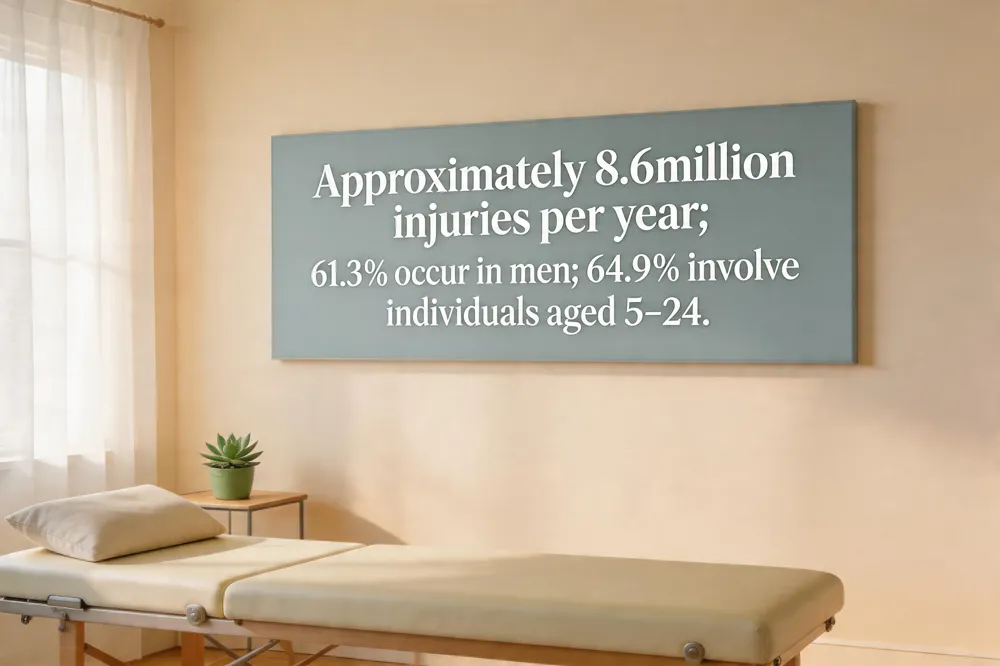 According to the Centers for Disease Control and Prevention (CDC), approximately 8.6 million sports‑related injuries occur in the United States each year. Men account for a clear majority of these incidents, representing about 61.3 % of all reported injuries. Age is another strong predictor, with individuals aged 5‑24 years comprising roughly 64.9 % of the injured population. These statistics underscore the high prevalence of acute musculoskeletal trauma—particularly sprains, strains, and bruises—among young athletes and active adults. Understanding the scale and demographic distribution of sports injuries helps clinicians and coaches prioritize prevention strategies, early intervention, and targeted rehabilitation programs to reduce overall injury burden.
2. Common Types of Injuries by Body Region
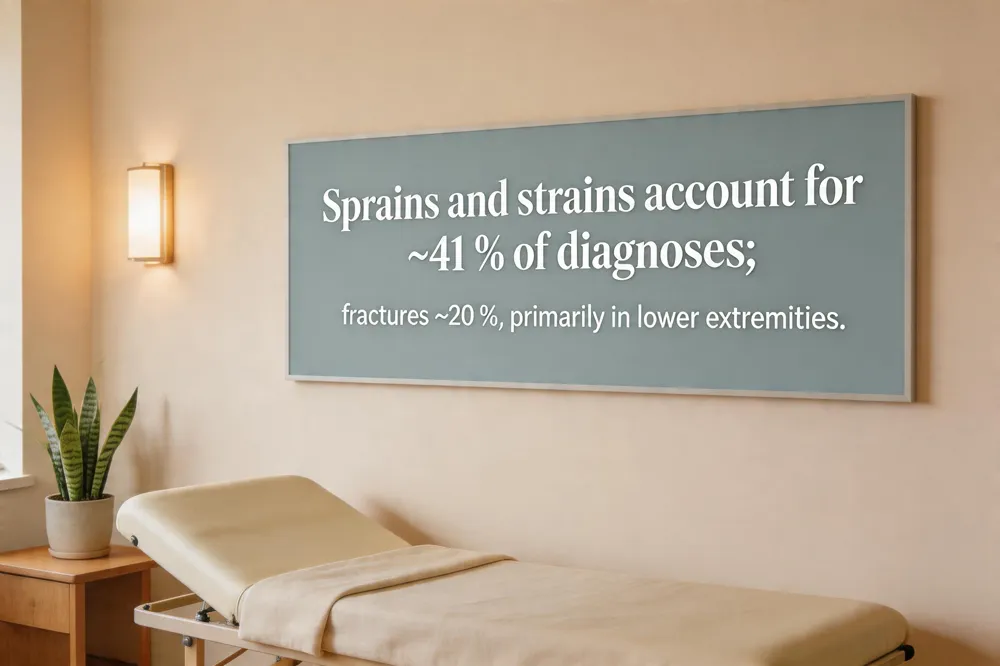 Sprains and strains are the most prevalent musculoskeletal problems in athletes, accounting for roughly 41 % of all sports‑injury diagnoses. These soft‑tissue injuries—ranging from mild ankle sprains to moderate hamstring pulls—are often treated early with RICE or PEACE protocols and progressive rehab, which helps many athletes return to activity within a few weeks. Bone fractures represent the next largest category, making up about 20 % of sports injuries, with the majority occurring in the lower extremities such as the tibia, fibula, and foot bones. Because soft‑tissue injuries (muscle strains, ligament sprains, tendinitis) dominate the injury landscape, most rehabilitation programs focus on restoring mobility, strength, and proprioception before progressing to sport‑specific training. Understanding this distribution helps clinicians prioritize early intervention strategies that target the most common injury types.
3. Age‑Specific Injury Patterns
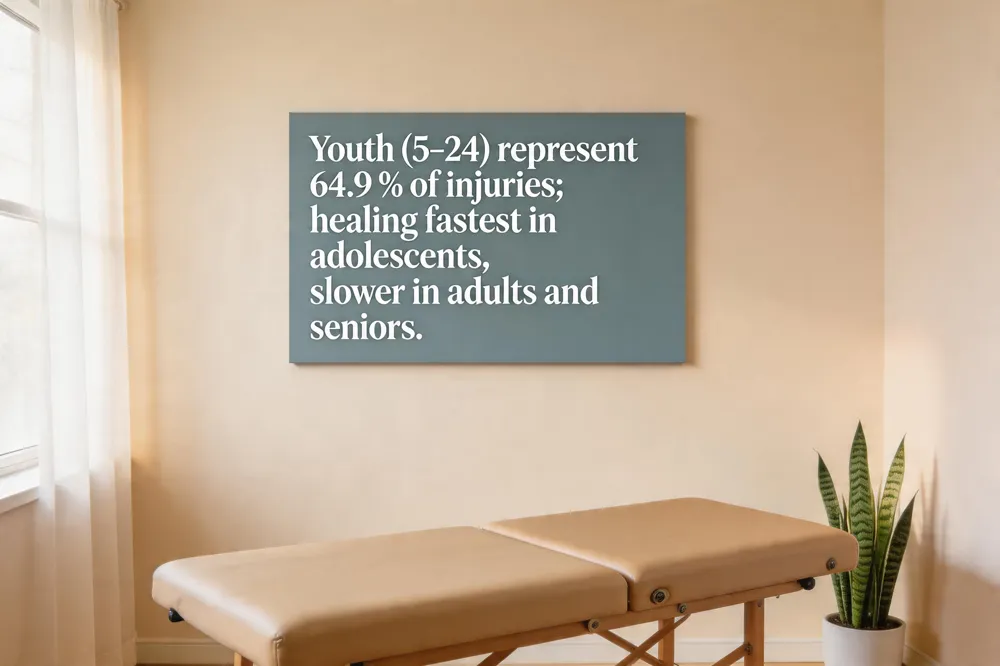 Youth athletes dominate sports‑injury statistics: the CDC reports that individuals aged 5‑24 years account for 64.9 % of all injuries each year. This high proportion reflects both participation rates and the susceptibility of developing musculoskeletal structures to acute trauma. Recovery timelines differ markedly across the lifespan. Young athletes,particularly those in the adolescent range) often experience rapid healing, with mild sprains and strains resolving in days to a few weeks thanks to robust blood supply and cellular turnover. Adults typically require 2‑6 weeks for comparable soft‑tissue injuries, as metabolic activity slows and competing life demands may limit consistent therapy. Seniors, whose collagen synthesis and vascular perfusion decline, may need several weeks to months to regain full function, especially after fractures or major ligament tears. Understanding these age‑related healing patterns helps clinicians tailor rehabilitation intensity, duration, and expectations for each patient group.
4. Severity Grades and Expected Healing Durations
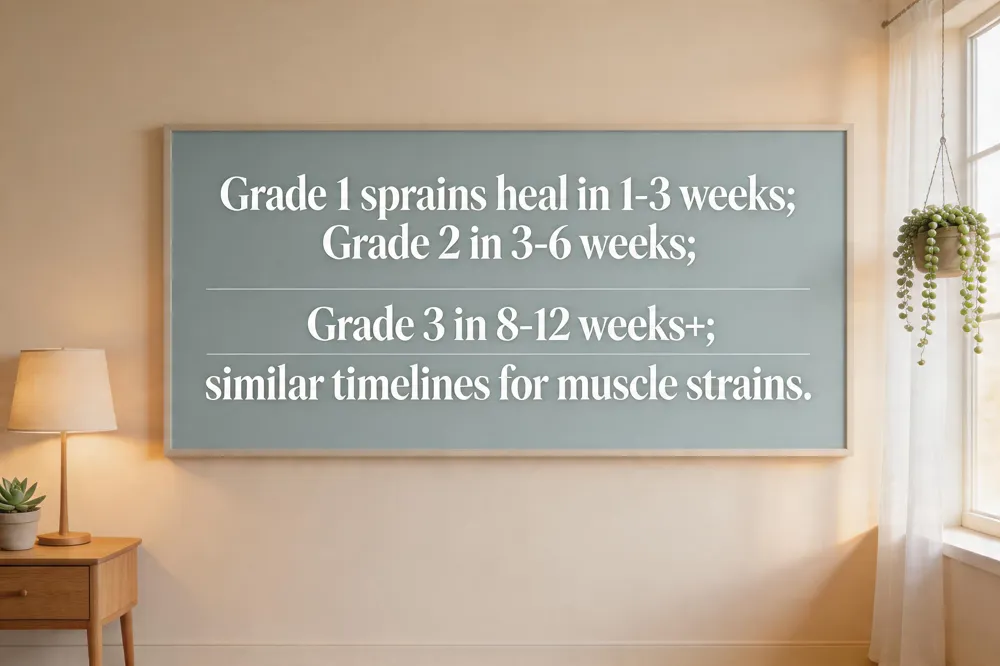 Recovery timelines vary dramatically with the severity of sprains, strains, and ligament injuries. A Grade 1 ankle sprain—characterized by stretched ligaments and minimal swelling—typically resolves within 1‑3 weeks when RICE and early gentle motion are applied. Moderate Grade 2 sprains, involving partial tears, often need 3‑6 weeks of bracing and progressive strengthening, while severe Grade 3 sprains (complete ligament rupture) can extend to 8‑12 weeks or longer, sometimes requiring surgical repair and 3‑ to months of rehabilitation. Muscle strains follow a similar grading pattern: Grade 1 strains heal in 2‑3 weeks, Grade 2 in 4‑8 weeks, and Grade 3 tears may demand 8‑12 weeks or more, with some athletes needing up to six months, especially if surgical intervention is required. Ligament injuries, such as ACL tears, are graded by the extent of fiber disruption; minor sprains recover in weeks, whereas full‑thickness tears demand 6‑12 months of structured rehab. Understanding these grade‑specific timelines helps clinicians set realistic expectations and design individualized rehabilitation programs.
5. Recovery Times for High‑Profile Injuries
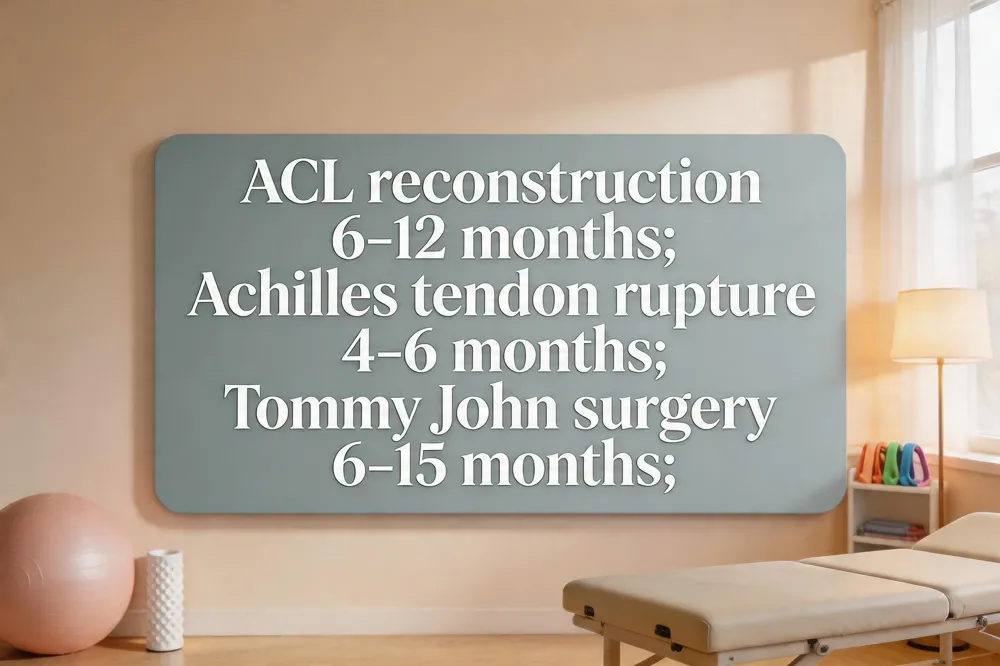 ACL reconstruction followed by a structured rehabilitation program is one of the longest‑lasting injury timelines in sport, usually requiring six to twelve months before an athlete can safely return to full‑impact activities. The early phase focuses on pain control and range‑of‑motion restoration, progressing to strength, neuromuscular training, and finally sport‑specific drills. An Achilles tendon rupture, whether treated surgically or conservatively, also demands an extensive rehab period; most patients need four to six months of gradual loading and gait training before resuming high‑impact sport, with some cases extending to a year if complications arise. The most protracted recovery among common athletic injuries is seen after Tommy John surgery (ulnar collateral ligament reconstruction). This procedure often entails six to fifteen months of progressive strengthening, throwing programs, and functional testing before a pitcher can return to competitive play. These timelines emphasize the importance of early, guided therapy, patient adherence, and gradual loading to accelerate tissue healing while minimizing re‑injury risk.
Frequently Asked Recovery Questions
 Foot soft tissue injury recovery time
Foot soft‑tissue injuries such as sprains typically need about 6–12 weeks for the damaged ligaments and surrounding tissues to heal sufficiently for normal activities. Early weight‑bearing and gentle range‑of‑motion exercises are encouraged, while a boot or crutches are used only for comfort during the first couple of weeks. Swelling and mild discomfort may linger for several months, often up to 6–12 months as the foot regains full strength and endurance. High‑impact activities (running, jumping, dancing) should be avoided for at least three months to prevent re‑injury. If significant pain, swelling, or stiffness persist beyond six weeks, a follow‑up evaluation is advisable.
Foot soft tissue injury recovery time
Foot soft‑tissue injuries such as sprains typically need about 6–12 weeks for the damaged ligaments and surrounding tissues to heal sufficiently for normal activities. Early weight‑bearing and gentle range‑of‑motion exercises are encouraged, while a boot or crutches are used only for comfort during the first couple of weeks. Swelling and mild discomfort may linger for several months, often up to 6–12 months as the foot regains full strength and endurance. High‑impact activities (running, jumping, dancing) should be avoided for at least three months to prevent re‑injury. If significant pain, swelling, or stiffness persist beyond six weeks, a follow‑up evaluation is advisable.
How long does a sprained ankle take to heal A sprained ankle typically heals in 1‑2 weeks for a mild (grade 1) sprain, 3‑6 weeks for a moderate (grade 2) injury, and 8‑12 weeks or more for a severe (grade 3) tear. Early care—rest, ice, compression, elevation, and gentle range‑of‑motion exercises—helps reduce swelling and speeds recovery. As pain subsides, chiropractic adjustments, myofascial release, and corrective exercises restore joint alignment, strength, and proprioception. For persistent instability, custom orthotics and targeted rehabilitation can prevent re‑injury. Most patients return to full activity within the expected timeframe when a structured, non‑invasive treatment plan is followed.
Hardest injuries to recover from NFL The most debilitating NFL injuries are those that involve major bone fractures or spinal trauma, such as a broken leg, a fractured clavicle, or a herniated disc that often requires surgery. Compound ankle ligament injuries, especially severe sprains that sideline a player for an entire season, also rank among the hardest to recover from because they can permanently limit mobility and performance. Repeated shoulder damage—like the multiple shoulder injuries that ended Andrew Luck’s career—can lead to chronic pain and loss of throwing power, making a full return to elite play unlikely. Upper‑extremity fractures, including forearm breaks that need surgical fixation, impede a player’s ability to grip, tackle, or throw, extending rehabilitation timelines dramatically. Finally, serious spinal or chest injuries, such as a collapsed lung or severe back damage, pose significant risks to overall health and often require extensive medical management before an athlete can consider returning to the field.
How long does it take to heal emotionally Emotional healing is not a fixed timeline; it can range from a few days for minor setbacks to several months or even years for deeper trauma. The speed of recovery depends on factors such as the intensity of the event, personal resilience, support systems, and whether you receive professional guidance like counseling or mindfulness practices. While some people move quickly through the early shock and anger stages, others may linger in grief or shame before feeling stable again. Engaging in regular movement, connecting with caring individuals, and practicing mindfulness can accelerate the process and reduce lingering symptoms. Ultimately, giving yourself permission to heal at your own pace, while seeking supportive care, leads to the most sustainable emotional recovery.
Prevention of sports injuries Preventing sports injuries starts with a solid foundation of proper warm‑up, regular stretching, and balanced strength training that targets the muscles supporting your joints. Maintaining good spinal alignment and posture through chiropractic adjustments, myofascial release, and corrective exercises helps the body move efficiently and reduces strain on vulnerable areas. Wearing sport‑specific, well‑fitted protective gear and custom orthotics can correct biomechanical imbalances that often lead to sprains, strains, or overuse injuries. Staying hydrated, listening to your body’s signals, and allowing adequate rest between intense workouts are essential for recovery and injury avoidance. At Dr. Allison Ross, DC, we combine these preventive strategies with personalized education to keep athletes performing at their best without surgery or medication.
What are the 5 stages of grief in sports injury? The five stages of grief that athletes often experience after an injury are denial, anger, bargaining, depression, and acceptance. First, they may refuse to believe the injury is real, hoping they can continue as before. Next, frustration and irritability surface as they confront the loss of sport and routine. Then they might negotiate with themselves or others, hoping a quick fix will restore their performance. A period of sadness, low motivation, and self‑doubt follows, reflecting the emotional impact of the setback. Finally, they reach acceptance, integrating the injury into their identity and planning a realistic path forward.
Injury recovery time by age Injury recovery time varies significantly across the lifespan. Young adults and adolescents typically heal within days to a few weeks for minor sprains or muscle strains, thanks to high anabolic hormone levels and efficient cellular repair. Middle‑aged adults (30‑60) often need two to six weeks for similar injuries, with recovery slowing as hormonal production and circulation gradually decline. Seniors (65+) may require several weeks to months; for example, a hip fracture can take 6–9 months, while a mild concussion may still take a few weeks. Factors such as overall health, nutrition, and access to targeted therapies like chiropractic care, spinal decompression, and myofascial release can further influence these timelines.
How long does a sprained ankle stay swollen Swelling from a sprained ankle typically appears immediately after the injury and can persist for several days, often up to 3‑5 days, depending on the severity. Grade 1 (mild) sprains usually resolve swelling within the first few days, while Grade 2 (moderate) injuries may stay swollen a bit longer, sometimes a week or more. Grade 3 (severe) sprains can keep the ankle noticeably swollen for weeks as the ligaments heal. Using R.I.C.E. (rest, ice, compression, and elevation) and anti‑inflammatory medication can markedly speed the reduction of swelling. If swelling does not improve after a week or is worsening, it’s wise to seek professional evaluation to rule out additional injury.
Top 10 most common sports injuries The most frequently encountered sports‑related injuries, listed from least to most common, begin with a hip‑flexor strain and an ACL tear or strain. Concussions and groin pulls follow as the next most common problems. Ankle sprains, hamstring strains, and shoulder impingement or rotator‑cuff injuries round out the middle of the list. Tennis elbow (lateral epicondylitis) and stress fractures are among the next most prevalent conditions. Finally, knee sprains and meniscal injuries top the list as the most common sports injuries seen in athletes of all levels.
Injuries that take 2 weeks to heal Mild grade‑1 ankle sprains, which involve only slight stretching of the ligament, often resolve in about two weeks with R.I.C.E. care and light mobility work. Similarly, a minor grade‑1 hamstring or other muscle strain can heal within a two‑week window if the muscle is rested, gently stretched, and supported with ice and compression. Light ligament sprains in the wrist, knee, or thumb that do not involve tearing also typically return to normal function after roughly fourteen days of protected activity and gradual strengthening. These short‑term injuries respond well to non‑invasive treatments such as targeted chiropractic adjustments, myofascial release, and corrective exercises that promote circulation and tissue repair.
What injury takes the longest to heal The injury that typically requires the longest healing time is a torn ulnar collateral ligament (UCL) that necessitates Tommy John surgery. Recovery after this procedure can range from six months to as much as fifteen months, depending on the athlete’s sport and position. Even the most aggressive rehabilitation protocols cannot safely accelerate the healing of the reconstructed ligament any faster. In comparison, other serious injuries—such as ACL tears, Achilles ruptures, or major bone fractures—usually resolve within three to twelve months.
How long should you stay off of a sprain? The amount of time you should stay off a sprained joint depends on how severe the injury is. Mild sprains (grade I) often feel better after about two weeks of rest and gentle motion, while moderate sprains (grade II) typically require four‑to‑six weeks before you can resume normal activities. Severe sprains (grade III) may need eight‑to‑twelve weeks—or even longer—of protected weight‑bearing and structured rehab. During the early phase, keep the area elevated, apply ice, and use a brace or compression to limit stress, then gradually re‑introduce weight‑bearing and strengthening exercises under professional guidance.
Hamstring injury A hamstring injury is a strain or tear of the three muscles that run down the back of the thigh, often caused by sudden sprinting, jumping, or over‑stretching. Typical signs include sharp pain at the back of the thigh, a popping sensation, bruising, swelling, and reduced strength or ability to walk. At Ross Chiropractic, we treat hamstring strains with a combination of gentle spinal adjustments, myofascial release, and targeted therapeutic exercises to restore flexibility, reduce scar tissue, and rebalance the posterior chain. Adjunct modalities such as cold laser therapy and custom orthotics can further alleviate inflammation and support proper biomechanics during recovery.
Can you recover 100% from ACL? Recovery from an ACL tear usually requires surgery followed by a structured rehabilitation program, and most patients can expect at least six months before they return to normal daily activities. Achieving 100 % of pre‑injury strength and confidence in sports can take anywhere from 12 months up to two years, depending on how strictly the rehab protocol is followed and individual healing factors. Full weight‑bearing, a normal gait, and complete range of motion are typically achieved by the ten‑month mark, but returning to high‑intensity or pivoting sports may still be limited for some.
How to heal a sprained ankle overnight While a severe sprain won’t fully heal overnight, you can dramatically reduce pain and swelling within 24 hours by following a PRICE protocol—Protection, Rest, Ice, Compression, and Elevation. Keep weight off the ankle, apply a cold pack (or frozen peas) for 15–20 minutes every 2–3 hours, and wrap the joint with a snug elastic bandage while holding it above heart level on pillows. After the first 48 hours, gently mobilize the ankle with pain‑free range‑of‑motion exercises and consider a supportive brace or orthotic to maintain alignment.
Rehabilitation of sports injuries PDF The PDF titled “Rehabilitation of Sports Injuries: Scientific Basis” is an IOC Medical Commission publication edited by Walter R. Frontera that presents a comprehensive, evidence‑based overview of sports‑injury recovery. It covers epidemiology, tissue‑healing physiology, the phases of rehabilitation, and clinical interventions such as physical modalities, acupuncture, pharmacologic agents, flexibility training, strength and endurance work, and psychological support.
What are the 5 P's of injury? The 5 P’s of injury are a quick mnemonic used to screen for serious vascular or nerve compromise after trauma: Pain, Pallor, Pulse, Paresthesia, and Paralysis.
How long does it take to recover from a sports injury? Recovery time for a sports injury depends on the specific tissue damaged and how severe the injury is. Minor sprains or strains often heal in a few weeks, while moderate injuries such as a Grade 2 ankle sprain or a partial rotator‑cuff tear may require 6–12 weeks of structured physical therapy. More serious conditions—like an ACL reconstruction, a complete ligament rupture, or post‑surgical rehabilitation—typically take three to six months, and sometimes longer, to regain full strength and stability.
How to know if a sprain is serious? A serious sprain usually shows a marked loss of motion—you can’t bend, flex, or turn the joint without sharp pain or a feeling of “locking.” Swelling and bruising that spread quickly or become unusually large indicate a more severe ligament tear. If the injured area feels unstable, wobbly, or you heard a popping sound at the time of injury, the ligament may be partially or fully torn.
Shin splints Shin splints, also known as medial tibial stress syndrome, are pain and tenderness along the inner edge of the shinbone caused by repetitive over‑use of the lower‑leg muscles, tendons and bone.
How can you minimize local tissue damage after an injury Minimize local tissue damage by first protecting the injured area—limit movement and avoid loading the tissue for the first 1‑3 days to prevent further bleeding and fiber strain. Keep the limb elevated above heart level to encourage fluid drainage and reduce swelling.
How long does a sprain take to heal wrist A wrist sprain usually heals in a matter of weeks, but the exact time depends on the severity of the injury. For a mild (grade 1) sprain, most people regain normal function within 1–3 weeks with rest, ice, compression and gentle motion.
Ligament healing timeline Ligament healing proceeds through three overlapping phases: an inflammatory stage lasting 3‑5 days, a proliferative stage that continues for 2‑4 weeks, and a remodeling stage that can extend from 6 weeks up to 12 months.
How to heal a sprained ankle fast in 2 days While a severe sprain won’t fully heal overnight, you can dramatically reduce pain and swelling within 24 hours by following a PRICE protocol—Protection, Rest, Ice, Compression, and Elevation.
Treatment of sports injuries At Ross Chiropractic, sports injuries are treated with a comprehensive, non‑invasive plan that begins with immediate pain‑and‑inflammation control using the RICE method and modalities such as cold laser therapy and myofascial release.
Tissue healing timeline chart A typical tissue‑healing chart shows that muscle strains usually resolve in 2 weeks to 6 months, with minor grades healing in about two weeks and severe grades requiring months of rehab.
Grade 1 ankle sprain A Grade 1 ankle sprain involves only slight stretching or microscopic tearing of the ankle ligaments, most often the anterior talofibular ligament, resulting in mild pain, tenderness, swelling, and a feeling of stiffness while the joint remains stable.
What are the 12 common sports injuries The most frequently seen sports injuries include bone fractures (both acute and stress fractures), sprains, muscle strains, and tendinitis. Other common problems are bursitis, contusions (bruises), joint dislocations, and concussions.
5 causes of sports injuries 1. Improper technique or poor form during training or competition puts excessive stress on muscles, ligaments, and joints. 2. Overtraining—doing too much, too often, or increasing intensity too quickly—leads to repetitive‑strain injuries and fatigue‑related breaks. 3. Insufficient warm‑up, stretching, or lack of adequate conditioning leaves tissues vulnerable to sudden strains and sprains. 4. Using inappropriate or worn‑out footwear and equipment fails to provide necessary support and protection. 5. Returning to activity too soon after a previous injury prevents full healing and increases the risk of re‑injury or chronic problems.
What injury takes 6 months to heal? The Achilles tendon rupture is a severe injury that normally requires surgery and a rehabilitation period of four to six months before full function is restored.
First aid for sports injuries pdf You can download a comprehensive “First Aid for Sports Injuries” PDF from many reputable sources, such as the “First Aid for Athletic Injuries” guide (Microsoft Word document converted to PDF) and the Coaches’ Guide to Sports Injuries available on the Randolph Health website.
Types of sports injuries PDF Sports injuries are generally divided into acute injuries—such as sprains, strains, fractures, and dislocations that occur suddenly from a fall, impact, or twist—and chronic, overuse injuries that develop gradually, like tendinitis, bursitis, stress fractures, and shin splints.
Which sports injury takes the longest to heal? Among sports‑related injuries, the most prolonged recovery is seen with severe bone fractures, especially compound fractures where the bone is shattered in multiple places.
How long does a sports injury take to heal? Recovery time varies widely based on the specific injury, its severity, and individual health factors. Minor sports injuries such as mild strains or sprains typically heal in 6 to 12 weeks when proper care is followed.
Torn ACL recovery time A torn anterior cruciate ligament (ACL) generally requires six to nine months of rehabilitation before you can return to full activity, especially if surgery is performed.
Worst sports injuries Some of the most devastating sports injuries include torn anterior cruciate ligaments (ACL), severe concussions, catastrophic spinal fractures, dislocated shoulders, and catastrophic muscle or tendon ruptures such as a torn patellar tendon.
Can I walk on my sprained ankle after 3 days? After three days you may be able to take a few short steps if the pain is mild, swelling is minimal and the ankle feels stable, but you should avoid putting full weight on it or walking for long periods.
How long does tissue take to heal after surgery After surgery, tissue healing follows a predictable sequence of phases. The initial inflammatory stage lasts up to about six days, followed by a rebuilding (or proliferative) phase that continues from roughly four days to a month, and a final remodeling phase that can extend from three weeks up to two years.
When to worry about sprained ankle You should seek professional care if pain, swelling, or bruising does not improve within 48‑72 hours, or if the discomfort remains severe after a week of rest, ice, compression, and elevation.
Why is RICE no longer recommended? The idea behind RICE was to reduce swelling and pain by limiting movement and applying ice. However, while it might provide some short‑term relief, research has shown that the RICE method might not actually promote long‑term healing.
How long is an NFL player out with a torn ACL? A torn ACL that requires surgery and rehab typically carries an 8‑12 month recovery timeline in the NFL.
Why is day 3 the worst after injury? Right after an accident, your body releases adrenaline and stress hormones that can temporarily mask pain. Once adrenaline drops, the true discomfort surfaces, often making day 3 feel like the worst.
Final Thoughts on Injury Recovery
Across the United States roughly 8.6 million sports‑related injuries occur each year, among athletes aged 5‑24. Sprains and strains account for 41 % of diagnoses, while fractures make up about 20 %. Mild ankle sprains usually heal in 1‑3 weeks; moderate sprains need 3‑6 weeks, and severe Grade 3 sprains can require three to six months. Hamstring strains follow a similar pattern, from 2‑3 weeks for Grade I to up to a year for Grade III tears without proper rehab. ACL tears typically demand six to twelve months of structured therapy, and tennis elbow may linger for three to twelve months. These figures illustrate that recovery length depends on tissue type, injury severity, and rehabilitation quality.
Personalized, non‑invasive care—such as the PRICE or PEACE protocols, myofascial release, cold‑laser therapy, custom orthotics, and corrective exercises—can speed healing, reduce pain, and prevent chronic instability while surgery or medication.
Because early intervention influences the inflammatory, proliferative, and remodeling phases, athletes should seek professional evaluation within the first 48‑72 hours. Prompt imaging, guided physical‑therapy, and load‑management education help shorten downtime and lower re‑injury risk, providing a roadmap to safe return‑to‑play.