Introduction: A Foundation for Vibrant Health
A Modern Approach to Comprehensive Wellness
Chiropractic care has evolved beyond a treatment for isolated back pain to become a cornerstone of preventative, holistic health. This modern view recognizes the profound connection between spinal health, nervous system function, and overall well-being. It is a proactive strategy for maintaining vitality and preventing dysfunction before it begins.
The Guiding Philosophy of Natural Healing
At its core, chiropractic is a natural, non-invasive discipline focused on optimizing the alignment of the spine and musculoskeletal system. The fundamental principle is that proper structure enables optimal function. By correcting misalignments, chiropractic care aims to enhance the body's innate ability to heal and self-regulate, promoting health from within without relying on medication or surgery.
An Established and Accessible Profession
Chiropractic is the largest complementary and alternative medicine profession in the United States. It is a well-established part of the healthcare system, with services covered by most private insurance plans, Medicare, and Medicaid. This widespread acceptance underscores its recognized role in managing health and wellness for millions of Americans.
Personalized, Evidence-Based Care in Practice
Ross Chiropractic in San Jose, CA, exemplifies this holistic, evidence-based approach. The practice goes beyond standard adjustments by integrating personalized care plans that may include therapies like spinal decompression, cold laser treatment, and corrective exercises. This patient-focused methodology addresses the root causes of discomfort and empowers individuals on their journey to sustained health and mobility.
Defining Chiropractic: A Holistic, Drug-Free Approach to Health

What is Chiropractic Care?
Chiropractic care is a licensed health profession centered on the diagnosis, treatment, and prevention of disorders affecting the nervous system and musculoskeletal system. As the most common alternative treatment in the United States, it is a natural, non-invasive approach that does not rely on prescription drugs or surgery. The core of the practice involves precise chiropractic adjustments, also known as spinal manipulation, to restore proper alignment and motion, alleviating pain and enhancing physical function.
The Role of a Chiropractor
Chiropractors are trained as primary-contact healthcare providers, meaning patients can seek care directly without a referral. Their education, regulated by national accrediting bodies, includes extensive training in basic sciences, clinical diagnosis, and patient management. Chiropractors are skilled in triaging conditions, providing differential diagnoses, and making appropriate referrals when necessary. Their primary therapeutic focus is the conservative, hands-on management of musculoskeletal pain and dysfunction, offering an alternative to prescription medicine.
The Core Technique: The Chiropractic Adjustment
The hallmark technique is the chiropractic adjustment. In this chiropractic procedure, a chiropractor applies a controlled, quick force to a spinal or extremity joint, gently stretching it to restore its proper position and range of motion. This process often results in a popping sound in adjustment from the release of gases within the joint. The goal is to correct misalignments (subluxations) that can interfere with nerve function and cause pain or reduced mobility. Spinal manipulation is a well-researched, evidence-based practice in chiropractic for conditions like acute and chronic low back pain, neck pain, and certain types of headaches.
A Holistic and Patient-Centered Model
Modern chiropractic care adopts a comprehensive, holistic model. Treatment plans are highly personalized, integrating multiple therapeutic strategies to address the whole person, not just a symptom, in a holistic approach to wellness therapy.
Common complementary components include:
- Soft-Tissue Therapy: Techniques like massage or myofascial release to relax muscles and improve circulation.
- Corrective Exercises & Stretches: Prescribed to strengthen supportive muscles, enhance mobility and flexibility, and prevent future injuries.
- Lifestyle & Wellness Counseling: Advice on ergonomics, nutrition, stress management, and posture to support long-term health.
- Joint Bracing/Taping: Methods such as Kinesio taping to support and stabilize joints during healing.
Conditions Treated and Clinical Effectiveness
This integrated, multimodal treatment approach is effective for managing a wide array of conditions. Clinical guidelines from major medical societies support spinal manipulation for several common issues.
| Common Condition | Typical Chiropractic Application | Complementary Therapies Often Used |
|---|---|---|
| Lower Back Pain | Spinal adjustments to restore alignment and mobility. | Soft-tissue therapy, core strengthening exercises, posture advice. |
| Neck Pain & Headaches | Cervical manipulation to relieve tension and improve function. | Ergonomic assessments, neck stretches, stress reduction techniques. |
| Joint Pain (e.g., shoulder, knee) | Manipulation of extremity joints to improve joint mobility. | Therapeutic exercises, taping, activity modification guidance. |
| Sciatica | Adjustments to relieve pressure on the sciatic nerve. | Specific stretching routines, nerve gliding exercises, decompression. |
| Post-Injury Recovery (e.g., whiplash) | Gentle manipulation to restore normal joint mechanics. | Rehabilitation exercises, cold and heat therapies for pain, gradual activity reintroduction. |
Conditions Treated and the Science Behind the Relief

What conditions does a chiropractor treat, such as back pain or sciatica?
Chiropractors specialize in treating disorders of the musculoskeletal and nervous systems. They are most commonly sought for back pain, neck pain, headaches, and sciatica. Their scope extends to managing joint pain in shoulders, hips, and knees, as well as treating sports injuries and auto accident injuries like whiplash. Chiropractic care is also an option for managing arthritis pain and stiffness and addressing pregnancy-related discomfort.
Beyond common pain sites, chiropractors can treat musculoskeletal pain anywhere in the body, including the jaw, wrists, and ankles. A treatment plan often includes adjustments, soft-tissue therapy, specific exercises, and lifestyle advice on posture, nutrition, and stress management.
What is the scientific evidence supporting chiropractic treatment?
The body of evidence supporting spinal manipulative therapy—the core chiropractic technique—is robust. Major clinical guidelines, including those from the American Pain Society and the American College of Physicians, recommend spinal manipulation as an effective option for acute, subacute, and chronic low back pain.
Research also supports its use for acute and chronic neck pain, especially when combined with exercise. Studies indicate chiropractic care is effective for migraine and cervicogenic headaches. Evidence also supports manipulation for extremity conditions, including shoulder pain, hip and knee osteoarthritis, and plantar fasciitis.
A study in the Journal of Manipulative and Physiological Therapeutics found chiropractic care outperformed medication for managing acute and chronic low back pain. Another study showed spinal adjustments with exercise offered better short-term relief for neck pain than medication.
Are there any side effects or disadvantages to chiropractic care?
Chiropractic adjustments are considered safe when performed by a trained, licensed professional. The most common side effects are mild and temporary, similar to post-workout feelings. These can include soreness, minor aches, tiredness, or a mild headache, typically resolving within 24 hours.
Serious complications, such as a herniated disk or a specific type of stroke following a neck adjustment, are extremely rare. Research cites severe adverse events at a rate of approximately 2.1 per 1,000,000 sessions. It is crucial to see a licensed chiropractor like Dr. Ross, who conducts a thorough health history review and physical exam, and may use diagnostic imaging to ensure safe, appropriate care.
| Condition Category | Specific Examples | Level of Scientific Support |
|---|---|---|
| Back & Neck Pain | Acute/Chronic Low Back Pain, Neck Pain, Whiplash | Strong; recommended in clinical guidelines |
| Headaches | Migraines, Cervicogenic Headaches | Moderate to strong for specific types |
| Extremity Issues | Shoulder Pain, Hip/Knee Osteoarthritis, Sciatica | Good for specific joint conditions |
| Other | Sports Injuries, Arthritis, Pregnancy Discomfort | Commonly treated, often with multimodal care |
Beyond the Adjustment: A Toolkit for Non-Invasive Pain Management and Mobility
What are the benefits of chiropractic adjustments for pain relief?
A chiropractic adjustment involves a licensed chiropractor applying a controlled force to a joint, most often in the spine, to restore proper alignment and motion. This spinal realignment reduces nerve pressure and tissue irritation, which are common sources of pain. By correcting the body's structure, these adjustments improve joint function and facilitate the body's natural healing abilities.
The approach is evidence-based and drug-free. Clinical guidelines support spinal manipulation as an effective option for managing acute, subacute, and chronic low back pain, neck pain, and certain headaches. This makes it a primary, conservative treatment choice and an alternative to prescription medicine.
Beyond immediate symptom relief, adjustments can improve posture, reduce muscle stiffness, and increase range of motion. This foundational care helps prevent future pain and injuries, offering a pathway to long-term wellness without the side effects or dependency risks associated with medications.
How does chiropractic care improve mobility and flexibility?
Improving mobility and flexibility is a central goal of chiropractic care. It works by directly addressing the physical restrictions that limit movement. When joints are misaligned, surrounding muscles become tense to compensate, leading to stiffness and reduced range of motion. Chiropractic adjustments release this tension and restore proper joint mechanics.
A chiropractor's holistic approach often includes soft tissue therapies like massage to break down scar tissue and relieve muscle knots, further enhancing flexibility. By correcting imbalances in the musculoskeletal system, care helps the body move more efficiently and with less effort.
This process is frequently supported by prescribed corrective exercises. These exercises strengthen supporting muscles and promote healthy movement patterns, ensuring that improvements in mobility are sustained long after leaving the clinic. The result is smoother, more comfortable movement for daily activities and physical pursuits.
A Multimodal Treatment Approach to Chronic Pain
For chronic musculoskeletal pain, a single therapy is rarely sufficient. Current best practices recommend a multimodal approach, combining several complementary techniques for optimal results. Chiropractic care naturally lends itself to this model, integrating various evidence-based methods.
Combining therapies like spinal manipulation with therapeutic exercise, massage, and patient education maximizes benefits while minimizing risks. This personalized strategy addresses pain from multiple angles, tackling not just the symptom but the underlying causes and contributing lifestyle factors.
Evidence-Based Non-Pharmacological Techniques in Chiropractic Care
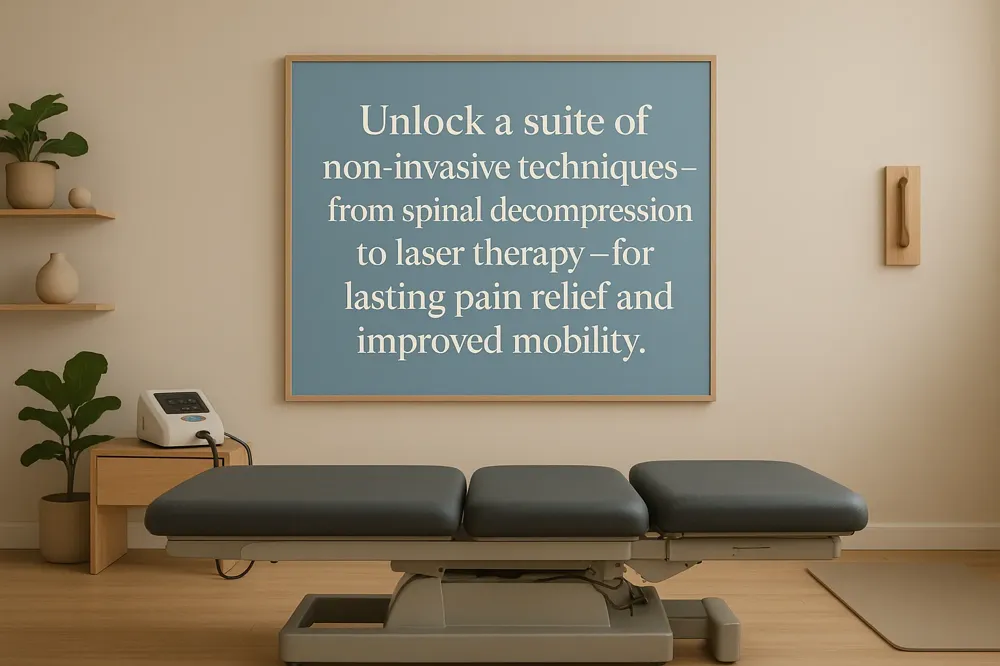
Modern chiropractic practice extends far beyond the classic adjustment. It incorporates a suite of non-invasive, evidence-based techniques to manage pain and restore function. Below are several key methods commonly used alongside adjustments.
| Technique | Primary Mechanism | Common Applications | Key Benefit |
|---|---|---|---|
| Spinal Decompression Therapy | Gently stretches the spine to relieve pressure on discs and nerves. | Herniated discs, sciatica, spinal stenosis. | Creates space for healing without surgery. |
| Myofascial Release | Manual pressure applied to release tight connective tissue (fascia). | Chronic muscle tension, fibromyalgia, post-injury scar tissue. | Improves tissue elasticity and reduces pain. |
| Cold Laser Therapy (LLLT) | Uses low-level light to stimulate cellular repair and reduce inflammation. | Arthritis, tendonitis, neuropathic pain, wound healing. | Non-thermal, painless treatment promoting healing. |
| Corrective Exercises | Customized stretches and strengthening routines. | Postural imbalances, weakness, injury rehabilitation. | Builds stability and prevents recurrence of pain. |
| TENS (Transcutaneous Electrical Nerve Stimulation) | Delivers mild electrical currents to block pain signals. | Acute and chronic musculoskeletal pain, post-surgical pain. | Portable option for at-home pain management. |
| Therapeutic Massage | Kneading of soft tissues to improve circulation and relax muscles. | General muscle soreness, stress-related tension, mobility issues. | Enhances relaxation and complements joint adjustments. |
Building a Comprehensive Care Plan
An effective care plan is tailored to the individual. It begins with a thorough evaluation, which may include a health history review, physical exam, and sometimes diagnostic imaging. Based on the findings, a chiropractor develops a personalized strategy.
This strategy might start with more frequent visits focusing on pain relief through chiropractic adjustments and adjunct therapies like myofascial release. As symptoms improve, the focus shifts to stabilization and rehabilitation, incorporating corrective exercises and lifestyle advice on ergonomics and nutrition.
The ultimate goal is to empower patients with the tools and knowledge for long-term health, reducing the need for ongoing treatment. By combining precise manual therapy with supportive techniques and patient education, chiropractic care provides a powerful, non-invasive toolkit for managing pain and enhancing mobility.
Chiropractic as a Pillar of Holistic Wellness and Preventative Health

Can chiropractic care help with overall health and wellness?
Yes, chiropractic care is a powerful tool for enhancing overall health and wellness by focusing on the foundational relationship between your spine, nervous system, and bodily function. Beyond relieving pain, regular adjustments improve immune response, support mental well-being by reducing stress and anxiety, and promote better sleep by alleviating tension. This holistic, drug-free approach corrects spinal misalignments to optimize your nervous system's communication, which helps your body heal itself and function at its best. By improving mobility, posture, and injury resilience, it serves as a proactive strategy for long-term preventative health. Ultimately, integrating chiropractic care into your wellness lifestyle supports a higher quality of life, empowering your body's natural capacity for balance and vitality.
Chiropractors provide holistic care, considering the whole person. They often combine adjustments with nutritional guidance, ergonomic advice, and stress management techniques. This integrated approach helps the body maintain its structural integrity, which is central to effective nerve communication. Research has shown that adjustments can positively influence immune function by improving white blood cell production. By restoring proper alignment and reducing tension, care supports your body's self-regulation, benefiting systems from digestion to sleep and stress response.
What are the seven pillars of holistic wellness?
The seven pillars of holistic wellness are emotional, spiritual, intellectual, environmental, social, nutritional, and physical wellness. Each pillar represents an interconnected aspect of your life, where nurturing one positively influences the others. For example, improving your nutritional wellness supports physical health, while strong social wellness bolsters emotional resilience. At our practice, we see how foundational physical wellness—through alignment and pain relief—enables you to engage more fully in all other dimensions. Ultimately, integrating care across these pillars supports a more balanced, healthy, and fulfilling life.
Chiropractic care serves as a cornerstone for physical wellness, directly impacting other pillars. When pain is reduced and mobility is restored, individuals often feel more energetic and motivated. This improvement in physical state can lead to better mental clarity, reduced emotional stress, and a greater capacity to participate in social activities and pursue intellectual goals. The table below illustrates how chiropractic supports each pillar of wellness.
| Wellness Pillar | How Chiropractic Care Supports It | Example Outcomes |
|---|---|---|
| Physical | Spinal alignment, joint mobility, pain relief | Improved flexibility, better posture, reduced injury risk |
| Emotional | Stress reduction through tension relief | Lower anxiety, improved mood, greater emotional resilience |
| Nutritional | Guidance on anti-inflammatory diets for healing | Enhanced energy, better nutrient absorption, reduced pain |
| Social | Increased comfort and energy for social engagement | More active participation in relationships and community |
| Intellectual | Reduced pain distraction, improved sleep for focus | Better concentration, mental clarity, and cognitive function |
| Environmental | Posture and ergonomic advice for home/work setups | Healthier daily routines, reduced physical strain |
| Spiritual | Fosters mind-body connection and inner balance | Increased sense of well-being and personal harmony |
Discuss the long-term benefits and patient education
Beyond immediate pain relief, chiropractic care delivers profound long-term benefits by promoting optimal nervous system function through spinal alignment. This foundational approach helps prevent chronic conditions, reduces the risk of future injuries, and supports healthy aging by maintaining joint mobility and flexibility. Patients often experience sustained improvements in posture, sleep quality, and stress resilience, which contribute to enhanced overall well-being. Furthermore, this natural, drug-free strategy can decrease long-term reliance on medications and invasive procedures, leading to better health outcomes and potential healthcare savings. Ultimately, regular chiropractic care fosters a proactive wellness lifestyle, empowering patients with the knowledge and bodily integrity to enjoy a higher quality of life for years to come.
For active individuals and athletes, regular care maintains flexibility and reduces the likelihood of sports injuries. For aging adults, it helps manage joint stiffness, making daily activities easier. These benefits are amplified when combined with a consistent wellness routine.
A core component of chiropractic philosophy is patient education for sustained well-being. Chiropractors emphasize lifestyle strategies that empower you to maintain your health between visits. This education often covers several key areas:
- Exercise and Stretching: Tailored programs to improve strength, flexibility, and coordination, supporting spinal health and preventing future issues.
- Nutritional Guidance: Advice on whole foods and hydration to support healing, reduce inflammation, and boost energy levels.
- Ergonomics and Posture: Practical tips for daily activities, workstation setup, and body mechanics to protect your spine.
- Stress Management: Techniques such as mindfulness, deep breathing, or relaxation exercises to manage tension that can manifest physically.
By addressing these lifestyle factors, chiropractic care moves beyond temporary symptom relief. It builds a foundation for lasting health, helping you avoid recurring problems and maintain the gains achieved through adjustments. This educational partnership is key to a successful, preventative health strategy.
Core Chiropractic Pillars for Holistic Health
| Health Dimension | Chiropractic Focus Area | Common Supporting Strategies |
|---|---|---|
| Structural Health | Spinal & joint alignment | Manual adjustments, posture correction, ergonomics |
| Functional Health | Nervous system optimization | Mobility exercises, stress reduction techniques |
| Preventative Health | Injury risk reduction | Custom exercise plans, lifestyle counseling, regular check-ups |
| Educational Health | Patient empowerment | Nutritional advice, home care instructions, self-management tips |
A Closer Look: Specialized Techniques and Addressing Specific Concerns

How Does Spinal Decompression Therapy Work and What Are Its Benefits?
Spinal decompression therapy is a non-surgical, drug-free technique designed to relieve disc-related pain. Using a specialized motorized table, it applies a gentle, computer-controlled pulling force to the spine. This rhythmic stretching creates a state of negative pressure within the spinal discs, encouraging bulging or herniated material to retract away from spinal nerves, thereby reducing pain and sciatic symptoms.
Simultaneously, this decompression enhances the flow of oxygen and nutrient-rich fluids into the disc space, supporting natural rehydration and healing processes. Patients often experience significant relief from chronic back and neck pain, improved spinal flexibility, and better posture. It serves as a powerful alternative for those seeking long-term spinal health without invasive surgery.
Can Chiropractic Care Help with Conditions Like Edema or Venous Insufficiency?
Chiropractic care offers supportive, complementary management for conditions like edema (swelling) and venous insufficiency. For edema, spinal adjustments and soft tissue therapies work to improve circulation and reduce nerve irritation, which can aid in decreasing fluid buildup. Techniques like therapeutic massage and specific joint mobilizations help enhance lymphatic drainage and reduce inflammation in affected tissues.
While chiropractic care does not repair damaged veins in venous insufficiency, it addresses contributing musculoskeletal factors. Correcting pelvic and spinal misalignments can improve nerve function and blood flow to the legs. Furthermore, chiropractors often recommend exercises to strengthen the calf muscle pump, a critical component for assisting venous return, which can help reduce associated leg pain, cramping, and discomfort.
How Can I Manage Pain Without Medication, Especially After Surgery?
Effective, drug-free pain management post-surgery centers on supportive strategies that promote healing. Prioritizing restorative sleep is foundational; experiment with supportive sleeping positions, such as placing a pillow under your knees or between your legs, to maintain spinal alignment and reduce strain on surgical sites.
Incorporating relaxation techniques like deep breathing or guided imagery can calm the nervous system and diminish pain perception. Many holistic care plans include non-invasive therapies such as cold laser therapy or gentle myofascial release. These methods can reduce inflammation, promote tissue repair, and alleviate discomfort without the side effects of pharmaceuticals.
For a personalized recovery strategy, consulting with a chiropractor or physical therapist is highly advised. They can integrate these approaches with posture correction and therapeutic exercises tailored to your specific surgical recovery, helping you regain mobility safely and effectively.
Does Musculoskeletal Pain Ever Go Away on Its Own, or Do I Need Specialized Care?
Minor, acute musculoskeletal pain from a simple strain often resolves with proper rest, ice, and over-the-counter care. However, pain that is persistent, severe, or limits daily function—such as chronic back pain, arthritis flare-ups, or injuries from accidents—typically requires professional evaluation. Ignoring such symptoms can lead to worsened conditions, compensatory movement patterns, and a diminished quality of life.
Seeking specialized chiropractic care ensures an accurate diagnosis and a targeted treatment plan. Professionals use non-invasive techniques like adjustments, spinal decompression, and corrective exercises to address the root cause of pain, not just the symptoms. Early intervention is key to active recovery, restoring mobility, and preventing future issues, allowing you to return to a pain-free, active lifestyle.
| Technique / Approach | Primary Application | Key Mechanism of Action | Common Patient Benefits |
|---|---|---|---|
| Spinal Decompression | Herniated discs, Sciatica | Creates negative intradiscal pressure | Relieves nerve pressure, improves disc hydration |
| Joint Adjustment & Mobilization | Edema, Poor Circulation | Improves nerve function & blood flow | Reduces swelling, enhances tissue healing |
| Cold Laser Therapy | Post-Surgical Pain, Inflammation | Stimulates cellular repair processes | Reduces pain & swelling, accelerates healing |
| Myofascial Release | Chronic Muscle Tension, Scar Tissue | Releases tight connective tissue | Improves flexibility, decreases pain signals |
| Therapeutic Exercise Guidance | Venous Insufficiency, Weakness | Strengthens supporting musculature | Improves circulation, supports joint stability |
Integrating Chiropractic into Your Health Journey
What to Expect During a Chiropractic Visit
A chiropractic visit at a reputable practice begins with a comprehensive consultation. This involves a detailed review of your medical history and a discussion of your symptoms and health goals. The chiropractor will perform a thorough physical examination focused on your spine, posture, and range of motion. To develop a precise understanding of your condition, diagnostic imaging such as X-rays or an MRI may be recommended.
Based on this assessment, a licensed chiropractor will create a personalized treatment plan tailored to your specific needs. This plan typically outlines the frequency of visits and specific therapeutic goals. Treatment itself is multifaceted, often extending beyond spinal adjustments to include a variety of complementary techniques.
The Range of Chiropractic Treatment Techniques
Your personalized care plan may incorporate several evidence-based practice in chiropractic methods. While spinal manipulation is a core technique for realigning joints, chiropractors also employ other valuable therapies. These often include soft-tissue work, such as myofascial release or massage, to relax tight muscles. They also frequently prescribe corrective exercises and stretches to improve strength and flexibility. Additional supportive therapies might involve joint bracing, ergonomic advice, and guidance on nutrition or stress management.
Building a Collaborative Care Partnership
Successful chiropractic care relies on a strong, collaborative relationship between you and your provider. Open communication about your symptoms, progress, and any concerns is essential for refining your personalized chiropractic treatment plans. This partnership allows the chiropractor to tailor approaches, such as using gentle instrument-assisted adjustments if preferred, to suit your comfort and response. A trusted chiropractor will also know when to refer you to other healthcare professionals, ensuring you receive comprehensive care.
Chiropractic as a Proactive Wellness Strategy
To maximize the benefits, it is helpful to view chiropractic care not just as a crisis intervention for pain relief through chiropractic, but as a key component of a proactive wellness lifestyle. Regular check-ups can help maintain proper spinal alignment and joint function, which may prevent minor issues from becoming chronic problems. This proactive approach supports long-term health by addressing the root causes of discomfort and promoting optimal nervous system function.
Spinal Health and Your Overall Vitality
The central premise of chiropractic care is that spinal health is intrinsically linked to overall vitality. The spine houses and protects the spinal cord, a critical pathway for nerve signals between your brain and body. Maintaining its proper alignment helps ensure this communication flows freely. By supporting your spine and nervous system, chiropractic care contributes to improved mobility, better posture, enhanced energy levels, and a stronger foundation for your body's natural healing processes. This holistic focus aims to support your entire well-being for a more active and resilient life.
| Stage of Care | Key Actions | Patient Involvement & Benefits |
|---|---|---|
| Initial Consultation | Medical history review, physical exam, potential imaging. | Provides context for symptoms; sets baseline for treatment. |
| Treatment Planning | Development of a customized, multimodal treatment approach care plan. | Creates a clear roadmap with specific, personalized goals. |
| Active Treatment | Chiropractic adjustments for pain relief, soft-tissue therapy, prescribed exercises. | Active participation through exercises and feedback on progress. |
| Wellness & Maintenance | Periodic check-ups, lifestyle advice, preventative strategies. | Shifts focus from symptom relief to long-term health preservation. |
Conclusion: Your Path to a Healthier, More Aligned Life
Summarizing the Core Message
Chiropractic care is a vital and evidence-based component of a holistic health strategy. It offers far more than temporary pain relief. By addressing the structure of the body, it supports improved mobility, nervous system function, and overall wellness. This approach is firmly established within the healthcare system and supported by clinical guidelines for conditions like back and neck pain.
Empowering the Body's Natural Abilities
The foundation of chiropractic is the relationship between your spine and nervous system. Correcting spinal misalignments empowers your body's innate ability to heal itself. This can enhance immune function, improve sleep, aid digestion, and reduce stress. The goal is to restore optimal communication within your body, leading to better overall function and vitality.
A Partnership for Long-Term Wellbeing
Viewing chiropractic as a partnership shifts the focus from isolated treatment to sustained wellness. This proactive, prevention-focused approach helps maintain proper alignment, improve flexibility, and prevent future injuries. It complements other healthy lifestyle choices like nutrition, exercise, and stress management, creating a comprehensive plan for long-term health.
Taking the Next Step
Embracing chiropractic care is a step toward a balanced, vibrant, and pain-free life. It provides a natural, drug-free path to enhance your quality of life. By working with a licensed chiropractor, you can develop a personalized plan that supports your journey toward lasting health and an active, fulfilling lifestyle.