Why Chiropractic Matters in Modern Sports
Overview of sports chiropractic
Sports chiropractic is a specialized field that focuses on the nervous and musculoskeletal systems. Practitioners use spinal adjustments, soft-tissue therapies, and rehabilitative exercises. This approach helps athletes optimize movement, prevent injuries, and recover faster from both acute and overuse conditions.
Holistic approach to injury and performance
Rather than masking symptoms with medication, chiropractors identify and correct underlying biomechanical imbalances. They treat the whole body, from the spine to the joints and soft tissues. In addition to adjustments, care plans often include Active Release Technique, Graston Technique, cold laser therapy, and targeted exercises. This comprehensive framework addresses the root causes of pain and dysfunction.
Growing acceptance among elite athletes
The integration of chiropractic care into professional sports is now standard. Nearly every team in the NFL, MLB, and NHL has an on-staff chiropractor. High-profile athletes such as Michael Jordan, Tom Brady, and Jerry Rice have publicly credited chiropractic with helping them maintain peak performance and extend their careers. Research supports these testimonials, linking adjustments to improved strength, coordination, and reduced injury risk.
The Science Behind Chiropractic Benefits for Athletes
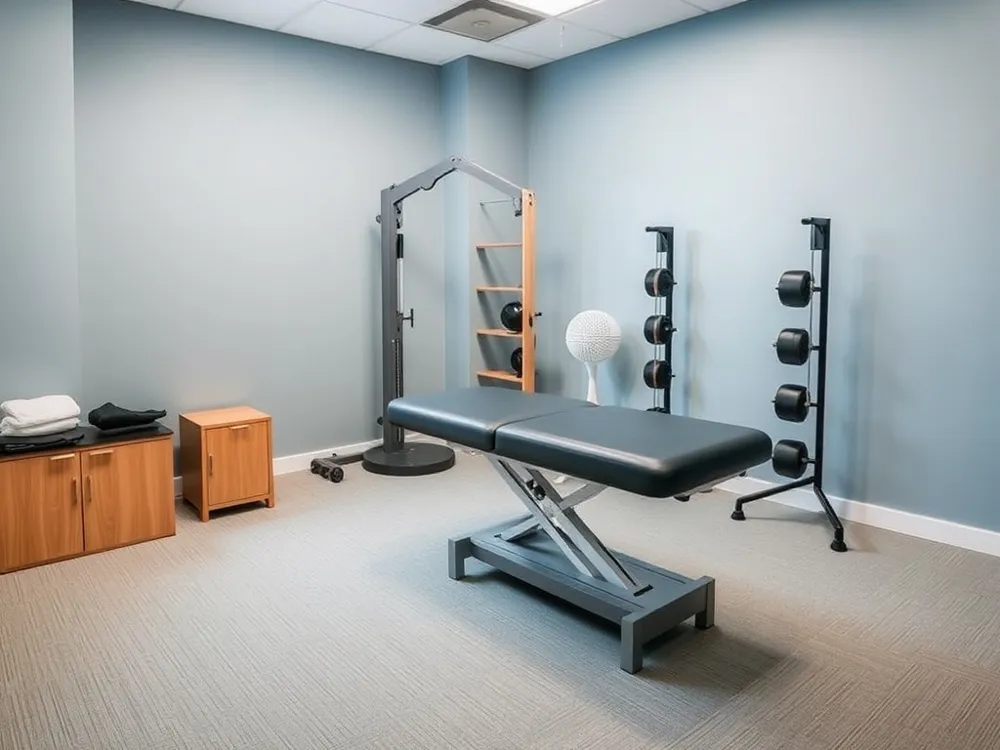
What are the benefits of chiropractic care for athletes, and how does it support performance and injury prevention?
Chiropractic care directly enhances athletic performance by optimizing the body's foundational mechanics. By correcting spinal and joint misalignments, chiropractors improve overall biomechanics, allowing athletes to move more efficiently and with greater power. This restoration of proper alignment also optimizes nervous system function, leading to faster reaction times and better neuromuscular coordination.
Enhanced Circulation, Flexibility, and Proprioception
Improved joint mobility from adjustments decreases muscular tension and stiffness, directly increasing flexibility and range of motion. This greater freedom of movement, combined with enhanced circulation, helps muscles receive more oxygen and nutrients while flushing out inflammatory byproducts. Furthermore, chiropractic care boosts proprioception—the body's awareness of its position in space—which is critical for balance, agility, and preventing compensation injuries during dynamic play.
Accelerated Injury Recovery and Pain Reduction
Chiropractic care accelerates recovery by addressing the root causes of pain rather than masking symptoms. Adjustments reduce pain signals and inflammation, while improved blood flow promotes faster tissue repair. This drug-free approach helps athletes return to training sooner. By correcting biomechanical imbalances and promoting proper posture, chiropractic interventions also prevent future overuse injuries, ensuring long-term musculoskeletal health and sustained peak performance.
| Aspect | Mechanism | Athletic Benefit |
|---|---|---|
| Biomechanics | Corrects spinal/joint alignment; optimizes nerve function | Greater power, efficiency, and faster reaction times |
| Flexibility & Proprioception | Reduces muscle tension; improves joint mobility and body awareness | Prevents compensation injuries; enhances agility and balance |
| Recovery & Pain | Reduces inflammation; increases blood flow; targets pain root causes | Speeds tissue repair; enables earlier return to sport |
| Injury Prevention | Corrects imbalances; promotes proper posture | Lowers risk of overuse injuries; supports long-term health |
Research Evidence: What Studies Say About Chiropractic for Sports Injuries

What does the scientific evidence show about chiropractic treatment for sports‑related injuries?
Systematic reviews of randomized controlled trials suggest chiropractic care can improve performance and reduce recovery time for common sports injuries, such as ankle sprains. One review found significant improvements in three out of four studies evaluating performance enhancement, injury treatment, and medical rehabilitation.
However, these promising findings are based on very small sample sizes, often ranging from only 9 to 15 participants per intervention group. This severely limits the strength and generalizability of the conclusions.
A critique of the same review notes the overall evidence remains limited. Much larger, more rigorous studies are needed before definitive claims can be made. Current research shows promise for chiropractic as part of a multidisciplinary approach, but it is not yet conclusive.
Star Power: Tom Brady and the Chiropractic Advantage

Tom Brady’s Public Endorsement
NFL quarterback Tom Brady is a prominent advocate for chiropractic care. He credits regular adjustments as essential for maintaining his health, recovering from injuries, and extending his career into his 40s. His success suggests significant benefits for high-performance athletes.
How Adjustments Aid Flexibility and Longevity
Chiropractic adjustments help improve flexibility and range of motion, which are critical for athletes seeking longevity. By restoring joint alignment and reducing muscle tightness, adjustments allow for fluid movement, lowering the risk of strains and extending a career’s duration.
Integration with Nutrition, Sleep, and Mental Wellness
Brady views chiropractic as an integral part of a holistic wellness approach that includes proper nutrition, sleep, and mental well-being. This comprehensive strategy supports overall recovery and resilience, allowing athletes to maintain peak performance without relying on drugs or surgery.
Implications for High-Performance Athletes
Brady’s experience demonstrates chiropractic’s value for injury prevention and sustained success. Regular care helps maintain spinal alignment and nervous system function, optimizing biomechanics and supporting longevity. This makes chiropractic a core component for any high-performance athlete’s routine.
Spinal Decompression: Who Can and Cannot Use It?
How Non‑Surgical Spinal Decompression Works
Non‑surgical spinal decompression uses a specialized, computer‑controlled traction table to gently stretch the spine. This creates negative pressure within the intervertebral discs, promoting the flow of water, oxygen, and nutrients into the disc space. By reducing pressure on discs and nerves, the therapy helps herniated or bulging discs retract and alleviates nerve irritation that often causes radiating pain, tingling, or numbness in athletes.
Therapeutic Benefits for Disc Health and Nerve Relief
The therapy improves disc hydration and alignment, which supports spinal health and reduces inflammation. This leads to faster recovery from lower‑back strains, sciatica, and degenerative disc disease. Regular sessions can enhance mobility and flexibility, helping athletes maintain proper biomechanics and reducing the risk of future injuries. Each 30‑45 minute treatment is customized to the athlete’s specific condition, offering a drug‑free way to accelerate healing and optimize performance.
Contraindications and Safety Screening
| Condition | Why It’s a Contraindication | Safer Alternative for Athletes |
|---|---|---|
| Spinal fractures | Decompression can worsen bone instability | Standard chiropractic adjustments and soft‑tissue therapy |
| Osteoporosis | Fragile bones risk fracture under traction | Non‑weight‑bearing exercises and nutritional support |
| Implanted spinal hardware | Traction may dislodge or stress hardware | Active Release Technique and myofascial release |
| Severe nerve damage | Traction could aggravate nerve compression | Gentle mobilization and neuromuscular reeducation |
| Inflammatory spinal conditions (e.g., tumors, infections) | Therapy may spread infection or aggravate inflammation | Medical referral for primary disease treatment |
| Blood clotting disorders | Risk of bleeding complications | Cold laser therapy and corrective exercises |
Patients unsure of their eligibility should undergo a thorough evaluation, including imaging and medical history review, to ensure spinal decompression is safe and appropriate.
Comprehensive Toolbox: Modalities Used in Sports Chiropractic
Sports chiropractors draw from a diverse set of techniques to address injuries at their root and optimize performance. These modalities are often used in combination, creating personalized treatment plans that target the specific needs of each athlete and their sport.
Chiropractic Adjustments (Spinal Manipulation)
Adjustments are the cornerstone of chiropractic care. Techniques like the Diversified Technique use quick, precise thrusts to correct misalignments, while the Gonstead Technique focuses on a detailed analysis to target specific vertebrae. The Activator Method uses a hand-held instrument to deliver a gentle impulse, offering a low-force alternative. All aim to restore joint motion, reduce nerve pressure, and improve nervous system function.
Soft-Tissue Techniques for Healing
These methods are crucial for breaking down scar tissue and relieving muscle tension. Active Release Technique (ART) combines precise pressure with patient movement to treat overused muscles and adhesions. The Graston Technique uses stainless-steel instruments to detect and break down scar tissue, improving blood flow and range of motion. Myofascial release applies sustained gentle pressure to release restrictions in the connective tissue, helping to restore flexibility.
Targeted and Adjunctive Therapies
- Kinesiology taping: Elastic tape that supports muscles and joints, improves circulation, and reduces pain without restricting movement.
- Dry needling: Thin needles target trigger points to release muscle knots and reduce pain.
- Cold laser therapy: Low-level light penetrates tissues to stimulate cellular repair and reduce inflammation.
- Shockwave therapy: Acoustic waves are used to break down scar tissue and stimulate healing in chronic conditions.
Holistic Support: Nutrition, Exercises, and Orthotics
Corrective therapeutic exercises are prescribed to restore strength, flexibility, and proper movement patterns. Nutritional counseling supports tissue repair and reduces inflammation, while custom orthotics help correct foot and pelvic imbalances, improving overall biomechanics from the ground up.
| Technique | Primary Action | Common Use Case |
|---|---|---|
| Diversified Adjustment | High-velocity thrust | General joint restriction |
| Active Release Technique | Scar tissue breakdown | Tendonitis, muscle strains |
| Graston Technique | Instrument-assisted scar tissue removal | Chronic soft-tissue restrictions |
| Cold Laser Therapy | Cellular repair & reduce inflammation | Sprains, tendinitis |
| Custom Orthotics | Correct foot/pelvis alignment | Overuse injuries of the lower body |
Building a Proactive Sports Chiropractic Program
A proactive sports chiropractic program begins with a comprehensive full‑body functional assessment. This evaluation analyzes an athlete’s movement patterns, identifies strengths and weaknesses, and pinpoints biomechanical imbalances or spinal misalignments that could lead to injury. By detecting these issues early, chiropractors create a personalized treatment plan that addresses the root cause of potential problems, not just the symptoms.
Scheduled Maintenance Adjustments
Regular chiropractic check‑ups are the cornerstone of injury prevention. These scheduled adjustments maintain optimal spinal alignment, reduce cumulative stress on the joints, and support consistent nervous system function. Alongside adjustments, chiropractors also educate athletes on proper warm‑up, cool‑down, and recovery strategies. This education empowers athletes to take an active role in their own long‑term musculoskeletal health, minimizing downtime and maximizing training consistency.
Integration into Team Medical Staff
The most effective sports chiropractic programs are fully integrated into an athlete’s support network. This often means chiropractors work directly as part of a team’s medical staff, collaborating closely with physical therapists, sports‑medicine physicians, and strength coaches. This collaborative model ensures comprehensive care plans that address injury recovery, performance optimization, and preventative maintenance from multiple angles.
Economic Impact and Market Growth
Beyond individual health, building a robust sports chiropractic infrastructure can have a significant economic impact. By improving athlete health and performance, a region can attract international sporting events, which in turn draws foreign investment and creates new jobs. As the sports industry grows, the demand for specialized sports medicine services increases, making chiropractic a valuable component of a thriving sports economy. For instance, the large and expanding sports market in China highlights the potential for chiropractic services to meet the rising demand for high‑performance healthcare.
Putting It All Together: Optimizing Performance with Chiropractic Care
The evidence is clear: chiropractic care is a cornerstone of modern sports medicine. Research demonstrates measurable benefits, from a 6.12% boost in performance to a 30% improvement in hand-eye coordination. Elite athletes like Michael Jordan, Tom Brady, and Jerry Rice have publicly credited regular adjustments for keeping them at the top of their game. With roughly 90% of world-class athletes using chiropractic, it is a proven tool for faster recovery, injury prevention, and peak performance.
Practical Steps for Athletes
Ready to integrate chiropractic care into your training routine? Follow these steps:
- Schedule a comprehensive assessment. A full-body movement analysis will identify weaknesses and imbalances before they become injuries.
- Commit to a personalized plan. Your chiropractor will outline a schedule for adjustments, soft-tissue therapy, and corrective exercises tailored to your sport.
- Adopt preventive habits. Combine regular maintenance visits with proper warm-ups, cool-downs, and sport-specific strengthening drills.
- Listen to your body. Early intervention for minor aches can prevent them from sidelining your season.
Achieve Your Athletic Potential
Chiropractic care offers a natural, drug-free pathway to recover faster, move better, and perform stronger. Don't let preventable injuries or nagging pain hold you back. Take the next step and unlock your full athletic potential.
Schedule Your Personalized Assessment
Ready to see what chiropractic can do for you? Contact Ross Chiropractic today to book your comprehensive sports performance evaluation. Our team will create a custom care plan to help you train harder, recover smarter, and compete at your best. Call us or visit our website to get started.
| Key Point | Example or Evidence | Impact on Athlete |
|---|---|---|
| Pain reduction & faster recovery | Adjustments reduce inflammation and improve circulation | Shortened downtime after injury |
| Injury prevention | Corrects biomechanical imbalances early | Lower risk of sprains, strains, overuse injuries |
| Enhanced performance | Spinal adjustments improve neuromuscular coordination | Increased strength, power, and endurance |
| Star endorsements | Michael Jordan, Tom Brady, Jerry Rice | Validates integration into elite training |
| Start-up routine | Comprehensive assessment, personalized plan, preventive habits | Clear action steps for adoption |