Understanding Low-Impact Car Collisions and Their Risks
What Are Low-Impact Collisions?
Low-impact collisions generally occur at speeds between 5 and 15 mph. These accidents often happen during city driving, parking lot incidents, or stop-and-go traffic situations.
Common Scenarios for These Crashes
Typical situations include rear-end collisions at stoplights, fender benders in parking areas, or minor side swipes where vehicles are moving slowly.
Injuries Can Occur Even When Damage Looks Minor
While the visible damage to vehicles might be minimal, such as a small dent or scratch, the risk of injury—especially to the spine—can be significant. Modern car safety features like crumple zones safeguard the vehicle's structure but do not always prevent internal injuries.
Hidden Dangers
Internal biomechanical forces during slow collisions, like the rapid back-and-forth motion of the neck (whiplash), can cause soft tissue damage, nerve irritation, and inflammation that may not appear immediately or show up on standard imaging. This makes prompt medical evaluation crucial even after a seemingly minor crash.
Delayed and Hidden Injuries: Why They Matter

What Is Considered a Low-Impact Collision?
A low-impact collision typically involves vehicle speeds between 5 and 15 mph, often seen in parking lot fender-benders or slow-moving traffic. Despite causing only minor visible vehicle damage like small dents or scratches, these accidents can lead to serious injuries. For more details, see Low-speed car accident spinal injuries.
Common Hidden Injuries After Low-Speed Accidents
Injuries such as Whiplash injury, soft tissue strains, concussions, spinal injuries, and internal trauma are common but may not show immediate symptoms. Whiplash, caused by rapid back-and-forth head movement, can result in neck pain, stiffness, and headaches days after the crash. Soft tissue injuries—sprains or strains around the neck, back, shoulders, or limbs—may develop delayed pain and inflammation. Concussions might present with headaches, confusion, or dizziness hours or days later. Internal injuries, including bleeding or organ damage, may also surface after a delay and require urgent care. Learn more at Hidden injuries after auto accidents.
Role of Adrenaline in Masking Pain
After an accident, adrenaline floods the body, dulling pain and masking injuries. This natural response often leads individuals to feel fine immediately after a crash despite underlying trauma. As the adrenaline fades, symptoms can appear hours or days later, which is why Importance of Prompt Medical Attention is crucial even if no pain is initially felt.
Symptoms That May Appear Days or Weeks Later
Some symptoms develop gradually, such as persistent headaches, neck stiffness, numbness or tingling in limbs, dizziness, memory issues, and mood changes. These delayed symptoms can indicate serious conditions like spinal cord swelling, brain injury, or internal bleeding. For more on these, see Delayed onset symptoms.
Importance of Early Medical Evaluation
Early diagnosis through neurological exams, range of motion testing, and advanced imaging like MRI is essential. Prompt treatment can prevent the development of chronic pain and long-term complications. Moreover, medical documentation serves a vital role in substantiating injury claims for insurance and legal purposes. Refer to Importance of early diagnosis of spinal injuries and Documenting Injuries for Insurance Claims for further information.
Examples of Concealed Injuries
- Whiplash: Neck muscle strain with symptoms delayed by days or weeks. See Whiplash injury.
- Soft Tissue Injuries: Sprains and strains that worsen over time. More at Soft tissue injuries.
- Concussions: Traumatic brain injuries without immediate loss of consciousness. Information available at Whiplash and Concussions Symptoms.
- Internal Trauma: Bleeding or organ injuries that may be life-threatening if undetected. Learn about Internal bleeding and trauma.
Being aware of these hidden injuries—even after seemingly minor crashes—ensures timely care and helps safeguard both health and legal rights.
Identifying Symptoms and Red Flags for Immediate Care

What Are Signs or Red Flags That Indicate the Need for Immediate Medical Care After a Car Accident?
After a car accident, certain Symptoms of car accident injuries to prevent serious health consequences. Immediate care is essential if you experience severe bleeding, loss of consciousness, or difficulty breathing. These signs can indicate life-threatening internal organ damage.
Which Symptoms May Have Delayed Onset but Signal Serious Injury?
Some injuries show Common Delayed Injuries from Car Accidents. Watch for persistent or worsening headaches, vision changes, sudden weakness, or numbness. These may suggest Spinal cord damage after collision. Soft tissue injuries like whiplash or muscle strains might cause stiffness and pain days later.
What Are Critical Red Flags to Monitor?
- Intense chest pain or irregular heartbeat
- Severe abdominal pain
- Persistent vomiting or severe dizziness
- Confusion or disorientation
- Sudden numbness or weakness
These could signal Internal Injuries Post-Accident that need swift evaluation.
Why Does Timely Diagnosis Matter?
Early medical assessment Improving Recovery Outcomes after Accidents by ensuring hidden injuries are caught before they worsen. Prompt care also Supports Legal Claims with Medical Evidence by providing clear medical documentation linking symptoms to the accident. Delays in spinal injury treatment consequences.
Recognizing symptoms early and seeking professional evaluation—even if you believe the accident was minor—protects both your health and legal interests.
Common Injuries from Low-Speed Crashes and Their Long-Term Effects

What types of injuries can occur from low-speed car crashes?
Low-speed collisions, often between 5 and 15 mph, can cause a variety of injuries that are sometimes hidden initially. These include soft tissue injuries such as whiplash, sprains, and strains, as well as more subtle spinal injuries. Even minor vehicle damage vs severity of spinal injuries does not guarantee mild injuries, as impacts can still create significant internal trauma.
How does whiplash occur, and what are its symptoms?
Whiplash injury is a common injury from low-speed crashes, caused by the rapid back-and-forth motion of the head. This sudden acceleration can strain neck muscles, ligaments, and tendons. Symptoms often develop 2 to 7 days after the impact and include neck pain, stiffness, headaches, shoulder discomfort, and numbness or tingling in the arms.
What are soft tissue injuries from low-impact collisions?
Soft tissue injuries include sprains and strains affecting the neck, back, shoulders, and limbs. These injuries may not cause immediate pain but can worsen over several days due to inflammation and micro-tears in muscles and ligaments. Without early treatment, they may lead to chronic discomfort and limited mobility.
How do spinal injuries present subtly after low-speed impacts?
Spinal injuries in car crashes from low-speed crashes may escape initial detection since X-rays often fail to reveal soft tissue damage. Hyperextension and rebound motions during whiplash and concussions symptoms can cause inflammation, nerve irritation, or micro-tears in spinal tissues. Symptoms such as numbness, weakness, or chronic pain might only become apparent days following the accident.
What about traumatic brain injuries and internal organ damage?
Traumatic brain injury signs (TBIs) like concussions can occur without visible head trauma or loss of consciousness. Symptoms including headaches, confusion, dizziness, and fatigue may be delayed. Internal injuries after accidents, such as bleeding or organ damage, also carry a risk of late-onset symptoms like abdominal pain, nausea, and shortness of breath, requiring urgent medical evaluation.
What are the potential long-term consequences if these injuries go untreated?
Ignoring or delaying treatment for these injuries can lead to chronic pain, reduced mobility, neurological complications, and emotional distress such as PTSD. Prompt diagnosis and intervention—including early chiropractic care benefits after low-impact crashes and best exercises for car accident recovery—are crucial to prevent lasting disability and improve recovery outcomes.
| Injury Type | Common Symptoms | Diagnostic Challenges |
|---|---|---|
| Whiplash | Neck pain, headache, stiffness | Symptoms delayed; often not seen on X-rays |
| Soft Tissue Injuries | Sprains, strains, swelling | Pain develops gradually; requires professional evaluation |
| Spinal Injuries | Numbness, weakness, chronic pain | Often hidden on standard imaging; MRI preferred |
| Traumatic Brain Injury | Headache, confusion, dizziness | May present without immediate signs; requires thorough neurological assessment |
| Internal Organ Damage | Abdominal pain, nausea, breathlessness | Symptoms can be masked by adrenaline; urgent imaging needed |
The Importance of Timely Diagnosis and Chiropractic Care
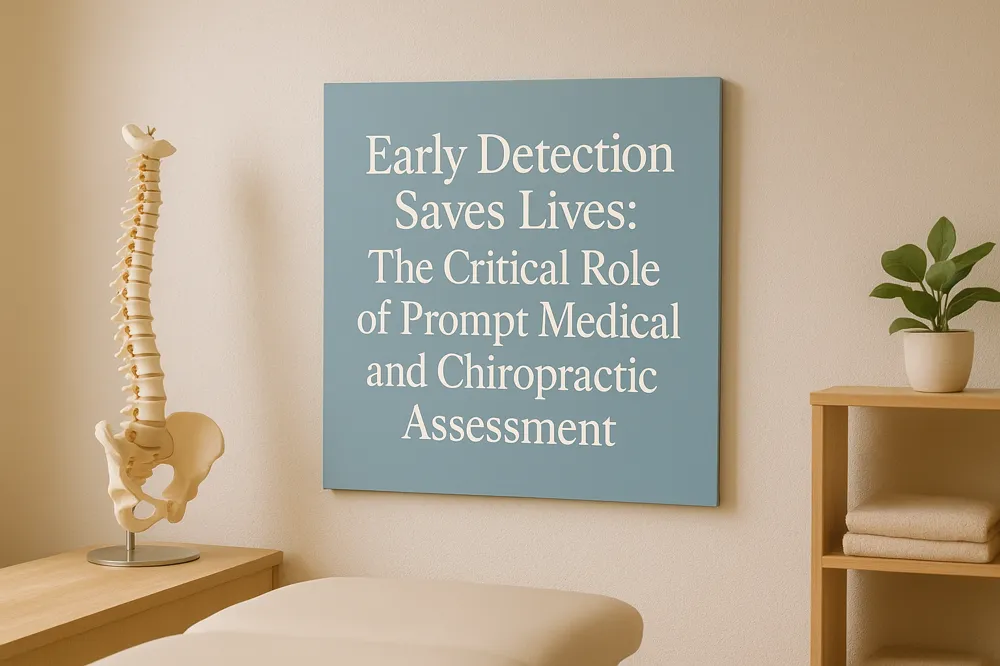
Why injuries may not be visible immediately
After a car accident, many injuries are not immediately apparent due to the body's adrenaline surge, which can mask pain and delay symptom onset. Injuries like whiplash, herniated discs, and soft tissue damage often emerge days after the collision. Some serious conditions, such as concussions or internal bleeding, may also present delayed symptoms, making early medical assessment critical.
Role of advanced diagnostic tools like MRI
Traditional X-rays may fail to detect subtle spinal injuries such as micro-tears or inflammation in muscles and ligaments. Advanced imaging techniques like MRI are essential because they provide detailed views of soft tissues, spinal discs, and nerves, revealing concealed trauma that influences treatment planning.
Benefits of early chiropractic and musculoskeletal evaluation
Early chiropractic care focuses on range of motion tests, neurological exams, and spinal assessments to identify dysfunctions before they worsen. Prompt chiropractic intervention can reduce inflammation, promote healing, and restore mobility, preventing the progression to chronic pain and long-term disability as part of a chiropractic evaluation after low-speed collisions.
Consequences of delayed treatment such as chronic pain and mobility issues
Ignoring or delaying treatment for hidden injuries can lead to persistent pain, stiffness, and reduced mobility. Complications may include nerve irritation, muscle weakness, or herniated discs becoming aggravated, which seriously impair quality of life and require more invasive interventions. These risks underscore the importance of early diagnosis of spinal injuries and illustrate delays in spinal injury treatment consequences.
Holistic strategies for recovery and prevention of complications
Recovery combines chiropractic care with gentle, low-impact exercises such as neck stretches and shoulder rolls for recovery, and walking to improve flexibility and strength. A personalized rehabilitation plan tailored to the individual's needs encourages optimal healing while minimizing risk of future injury, including using best exercises for car accident recovery.
What are the hidden or concealed injuries following a car accident?
Following a car accident, some injuries may be hidden or concealed, making them difficult to detect immediately. Common concealed injuries include soft tissue injuries such as muscle strains and ligament sprains, as well as more serious conditions like whiplash and herniated discs that may not be obvious right away. Additionally, traumatic brain injuries like concussions can have delayed symptoms, and internal injuries to organs or fractures may not be immediately visible. Psychological impacts such as PTSD, anxiety, or depression can also develop silently after the incident. It’s crucial to seek thorough post-accident medical evaluation after an accident to identify these hidden injuries and ensure appropriate treatment and recovery.
| Aspect | Details | Importance in Care |
|---|---|---|
| Adrenaline Masking Symptoms | Delays pain recognition | Early diagnosis needed |
| MRI Imaging | Reveals soft tissue & nerve damage | Guides precise treatment |
| Chiropractic Evaluation | Range of motion & neurological testing | Identifies functional impairments |
| Early Intervention | Reduces inflammation & prevents chronic issues | Improves prognosis |
| Rehab Exercises | Strength, flexibility & balance restoration | Supports full recovery |
Supporting Your Personal Injury Claim and Legal Rights

What is a legally recognized personal injury?
A legally recognized personal injury occurs when an individual suffers harm due to another party's negligent, reckless, or intentional actions. For the injury to be valid in a legal claim, it typically must go beyond minor discomfort and cause significant physical, emotional, or psychological damage. Examples include injuries from common car accident injuries, falls, medical malpractice, or assaults. The key in legal recognition is proving the injury directly resulted from the defendant's conduct and caused measurable harm.
What evidence is needed to support a personal injury claim after an accident?
Supporting a claim requires thorough evidence:
- Medical records: Detailed documentation of injuries, treatments, and prognosis from hospitals or specialists, including post-accident medical evaluation and the importance of medical documentation.
- Photographs: Images of the accident scene, the injuries, and vehicle or property damage.
- Witness statements: Testimonies from those who observed the incident.
- Official reports: Police or accident reports establishing the circumstances.
- Expense records: Proof of medical bills and related costs, which help in supporting legal claims with medical evidence and documenting injuries for insurance claims.
How do insurance companies determine personal injury settlements?
Insurance providers evaluate both economic and non-economic damages. They consider:
- Actual financial losses such as medical expenses and lost income.
- Pain and suffering measured through guidelines or scales.
- Impact on daily life and any permanent disabilities.
- Policy limits and previous settlement standards. This process helps them calculate a fair settlement offer for the injured party. Challenges like insurance claim disputes and delayed treatment can affect this process.
What is the average payout for soft tissue injury settlements?
Soft tissue injury settlements vary by injury severity:
- Minor injuries: typically $5,000 to $15,000
- Moderate injuries: around $15,000 to $30,000
- Severe injuries: upwards of $30,000, sometimes exceeding $50,000 Factors influencing settlement include treatment extent, pain level, and long-term effects of soft tissue injuries.
Why is medical documentation and prompt treatment important for legal protection?
Quick medical evaluation after an accident ensures injuries are identified early, improving recovery and creating crucial records. Delays can worsen health outcomes and complicate legal claims, as insurance companies may dispute late treatment. Thorough documentation supports your case, safeguarding your rights and increasing chances of fair compensation. This reflects the importance of early diagnosis of spinal injuries, and the seriousness of delayed symptoms.
Protecting Your Health and Legal Interests After a Low-Impact Collision
Understanding Hidden Injuries
Low-impact collisions, even at speeds between 5 to 15 mph, can cause serious spinal and soft tissue injuries that often show symptoms days after the accident. Adrenaline can mask pain initially, making early injuries hard to detect.
Importance of Prompt Medical Care
Seeking immediate medical evaluation, including chiropractic and spine-focused assessments, is crucial. Early diagnosis through neurological exams and imaging helps prevent chronic pain and supports effective treatment.
Supporting Recovery with Chiropractic Care
Chiropractic care promotes gentle movement and rehabilitation, tailored to individual injuries. This aids in improving flexibility, reducing stiffness, and restoring proper muscle function after a collision.
Documentation and Legal Protection
Thorough documentation of all injuries and treatments is essential for insurance claims and legal proceedings. Delays in treatment or poor record-keeping can jeopardize compensation and long-term health.
Seek Professional Guidance
Consult healthcare providers promptly after an accident, even if symptoms seem mild. Professional evaluation ensures hidden injuries are not overlooked and helps secure necessary medical and legal support.