Understanding the Importance of Spinal Alignment in Pain Prevention
Role of spinal health in overall wellness
The spine plays a vital role in supporting the body's structure, protecting the nervous system, and facilitating communication between the brain and the rest of the body. Proper spinal alignment ensures efficient nerve function, mobility, and posture, contributing significantly to overall well-being.
How spinal misalignment leads to chronic pain
When the spine is misaligned, it can place pressure on nerves and restrict blood flow, impairing communication pathways. This disruption may result in symptoms like headaches, muscle tension, fatigue, and chronic pain. Prolonged misalignment often leads to lasting discomfort and mobility issues.
Common causes and symptoms of spinal misalignment
Factors such as poor posture, trauma, repetitive stress, aging, sedentary lifestyle, and improper sleeping positions contribute to spinal misalignment. Symptoms include back and neck pain, tingling or numbness in limbs, muscle stiffness, headaches, balance problems, and limited range of motion. Recognizing these signs early can help prevent chronic complications.
The Connection Between Spinal Alignment and Chronic Pain Prevention
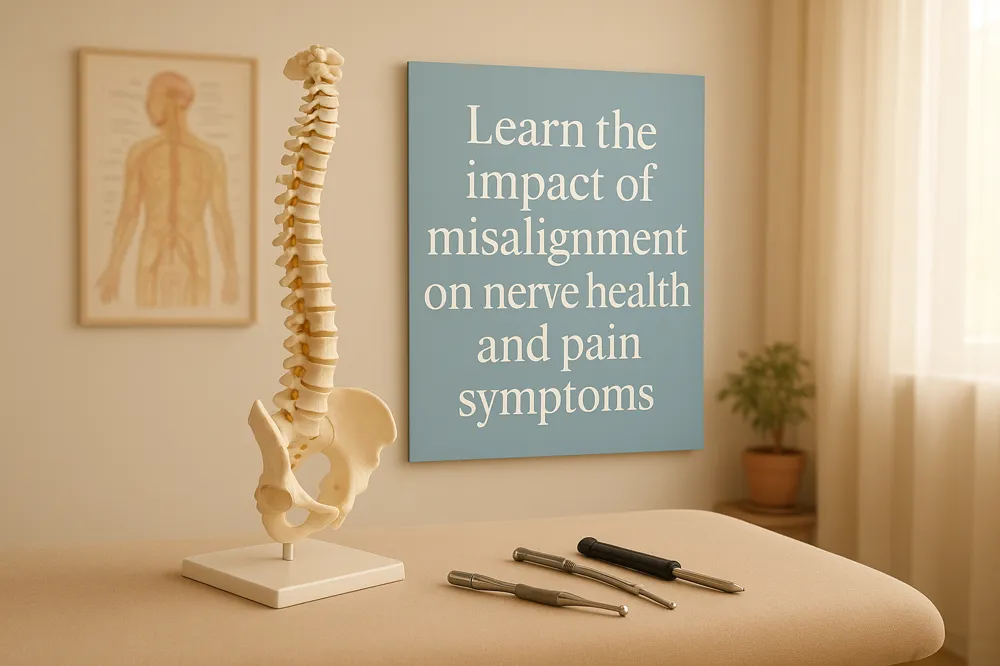
How Does Spinal Misalignment Affect Nerve Function and Pain?
Spinal misalignment puts pressure on nerves and restricts blood flow along the spine. This interference disrupts communication between the brain and different parts of the body, potentially causing symptoms such as headaches, muscle tension, and chronic pain. Misalignment can exacerbate conditions like sciatica and nerve compression syndromes, leading to persistent discomfort.
How Does Maintaining Proper Alignment Support Mobility and Reduce Chronic Pain?
Keeping the spine properly aligned supports natural joint movement and flexibility. This alignment relieves nerve pressure and reduces inflammation, which helps prevent the onset or worsening of Preventing chronic pain conditions. Activities like regular Chiropractic adjustments to treat pain and spinal exercises strengthen supportive muscles, improve posture, and enhance overall mobility, reducing the risk of long-term pain.
What Are the Long-Term Benefits of Spinal Care?
Long-term spinal care offers numerous benefits, including improved joint health and increased range of motion. Proper spinal health importance also contributes to better balance and reduces the frequency of painful episodes. Additionally, spinal health positively impacts sleep quality by decreasing discomfort that can interfere with rest. Consistent Chiropractic treatment aids in maintaining spinal function, reducing reliance on pain medication, and supporting the body's natural healing through spine care.
What Conditions Can Be Treated Through Chiropractic Care at Dr. Ross's Practice?
Dr. Ross's chiropractic practice treats a wide range of conditions related to causes of spinal misalignment such as back and neck pain, sciatica, headaches, migraines, joint stiffness, and discomfort in shoulders, arms, hips, and legs. The holistic approach includes lifestyle advice and ergonomic support to promote lasting wellness alongside targeted Chiropractic adjustments for spinal alignment.
Holistic and Personalized Chiropractic Care: Approaches at Ross Chiropractic

How does Dr. Allison Ross's chiropractic practice support injury recovery and preventative health without surgery or drugs?
Dr. Allison Ross offers a holistic chiropractic approach that focuses on chiropractic adjustments for spinal alignment to correct misalignments caused by issues like auto accidents or poor posture. These adjustments remove interference from the nervous system, enabling the body to heal naturally and easing pain without surgery or medication.
Her practice emphasizes personalized chiropractic treatment plans tailored to each patient's specific condition. Therapies such as myofascial release and cold laser therapy complement chiropractic adjustments by reducing muscle tension and promoting tissue healing. Additionally, custom orthotics help correct posture, while corrective exercises strengthen muscles and improve flexibility. This combined care not only aids injury recovery but also helps prevent future spinal problems by maintaining optimal musculoskeletal health.
What are the benefits of combining chiropractic adjustments with therapies like spinal decompression, myofascial release, cold laser therapy, corrective exercises, and custom orthotics?
Integrating chiropractic adjustments with other therapies at Ross Chiropractic creates a comprehensive treatment plan addressing various causes of pain and dysfunction. Here’s how this synergy supports patient health:
- Spinal Adjustments: Restore proper spinal alignment, improve nerve communication, and relieve pressure causing pain.
- Spinal Decompression: Gently stretches and decompresses discs to reduce nerve irritation, especially helpful for herniated or bulging discs.
- Myofascial Release and Cold Laser Therapy: Alleviate muscle tightness, reduce inflammation, and speed healing.
- Corrective Exercises: Build strength, flexibility, and improve posture for lasting spinal support.
- Custom Orthotics: Correct foot and gait alignment, easing strain on the spine and preventing compensatory injuries.
Together, these treatments offer more effective pain relief, faster recovery, and better long-term spinal health than using any single therapy alone. Patients benefit from improved mobility, reduced pain episodes, and enhanced overall wellbeing without relying on surgery or pharmaceuticals.
Incorporating Lifestyle and Ergonomics in Spinal Health Maintenance
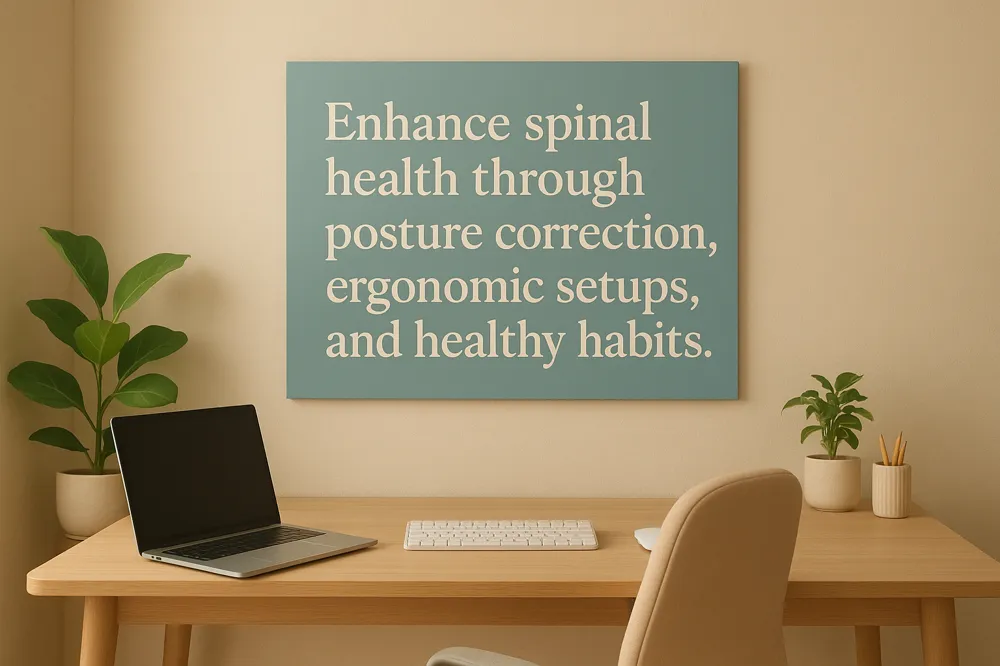
Role of posture correction and ergonomic setups in preventing misalignment
Maintaining proper posture is essential to prevent spinal misalignment, which can cause pain and limit mobility. Good posture keeps the spine in a neutral spine alignment where the major joints are stacked, minimizing stress on vertebrae and discs. Ergonomic workspace setup, including chairs with lumbar support, correctly positioned monitors, and properly arranged desks, help maintain this alignment during daily activities. These setups reduce excessive bending or twisting, which are common causes of misalignment. Routine posture checks and adjustments can prevent strain and support spinal health tips long-term.
Importance of hydration, footwear, and healthy habits for spine wellness
Staying hydrated is vital for spinal disc health, as water keeps discs flexible and prevents bulging and strain. Footwear and spinal alignment supports natural foot curves, reducing tension on the lower back and preventing misalignment. Healthy habits such as maintaining a balanced diet, avoiding prolonged sitting, and using lumbar support pillows while sitting or sleeping contribute significantly to spinal wellness. These lifestyle choices prevent muscle weakness and fatigue, supporting the spine’s natural curves and decreasing the likelihood of Preventing chronic pain.
Exercises and movement techniques to maintain spinal strength and flexibility
Regular exercise strengthens the muscles supporting the spine and improves flexibility, thereby enhancing posture and reducing pain risk. Activities like Pilates, yoga, tai chi, and specific spinal exercises such as bridge movements build core strength and endurance. Gentle exercises such as walking or swimming can alleviate stiffness and promote circulation. Incorporating these movement techniques alongside posture awareness promotes spinal health and helps prevent chronic conditions. For more details on Gentle exercise for chronic pain, see related resources.
How does personalized care contribute to effective chiropractic treatment?
Personalized chiropractic care ensures interventions are tailored to each patient’s unique health profile, lifestyle, and specific pain areas. This approach helps select therapies like spinal decompression therapy, myofascial release, or custom orthotics most suited for the patient’s needs. Customized plans improve patient engagement and compliance, leading to better pain relief and enhanced mobility. Personalized care ultimately supports sustained wellness and optimal spinal health maintenance.
Natural and Integrative Strategies to Support Spinal Health and Pain Prevention
How do herbal supplements like turmeric and Boswellia help control inflammation?
Herbal supplements such as turmeric and Boswellia are renowned for their anti-inflammatory properties, which play a vital role in managing chronic pain and maintaining spinal health. Turmeric contains curcumin, an antioxidant compound that helps reduce swelling and inflammation, particularly in bone-related conditions like arthritis. Similarly, Boswellia, commonly used in Ayurvedic medicine, has shown effectiveness in treating osteoarthritis pain and stiffness. These natural supplements can support inflammation control when integrated into a daily regimen, contributing to healthier joints and less pain. For more detailed information, see natural supplements for musculoskeletal pain.
What role do natural pain relief methods and complementary therapies play in managing chronic pain?
Natural pain relief methods and complementary therapies offer holistic strategies for chronic pain to manage chronic pain without relying solely on medications. Techniques like acupuncture help balance the body's energy pathways and promote serotonin release, aiding pain relief and healing. Massage therapy increases blood flow and relaxes muscles, reducing pain stimuli. Mindfulness and relaxation approaches, including breathing exercises and meditation, alleviate stress and muscle tension that exacerbate pain. Together, these therapies improve physical function and emotional well-being, essential components for effective chronic pain management. Learn more about alternative treatments for chronic pain.
How do regular exercise, mindfulness, and relaxation techniques benefit spinal function and pain reduction?
Engaging in regular physical activity strengthens muscles that support the spine, enhances flexibility, and improves circulation—key factors in preventing chronic pain and promoting spinal health. Gentle exercises like yoga, tai chi, swimming, and stretching target core strength while being mindful of spinal alignment. Mindfulness techniques, including deep breathing and guided imagery, reduce anxiety and muscle tension associated with pain episodes. Relaxation practices help break the cycle of chronic pain by lowering stress hormones and promoting better sleep quality. Together, these integrative strategies aid in maintaining spinal function and pain relief over time. For additional tips, see Gentle exercise for chronic pain.
The Importance of Early Intervention and Ongoing Care to Prevent Chronic Pain
Why Addressing Acute Spinal Pain Early Matters
Prompt treatment of acute spinal pain is crucial to prevent the transition into long-term, persistent chronic pain. Research shows that the central nervous system changes after about three months of ongoing pain, rewiring neural pathways which can make pain more difficult to manage. Early intervention reduces nerve pressure, inflammation, and muscle tension, preventing the development of chronic conditions such as neuropathic pain or musculoskeletal dysfunction.
Role of Regular Chiropractic Care and Monitoring
Regular chiropractic check-ups play a vital role in maintaining spinal health importance and detecting misalignments before they cause significant problems. Chiropractic adjustments for spinal alignment relieve nerve interference, restore joint mobility, and improve circulation, thereby supporting natural healing through spine care. Ongoing spinal health monitoring helps in adapting treatment plans tailored to individual needs, promoting long-term wellness and reducing the frequency and intensity of pain episodes.
Comprehensive Management Approaches
Preventing chronic pain involves a combination of strategies beyond spinal adjustments. Improve spine posture helps patients avoid strain during daily activities. Physical therapy for pain relief strengthens supporting muscles and enhances flexibility to support spinal health. Psychological support, including counseling and stress management for pain, addresses emotional factors that can amplify pain. This multifaceted approach ensures holistic care addressing both physical and psychological contributors to chronic pain.
Embracing Proactive Spinal Care for Lasting Wellness
Benefits of Proper Spinal Alignment
Proper spinal alignment supports the body’s structure, protects nerves, and prevents chronic pain and fatigue. It enhances joint health, mobility, and balance while reducing inflammation and reliance on pain medications.
Embracing Holistic, Personalized Chiropractic Care
Chiropractic adjustments realign the spine through tailored, non-invasive techniques that promote natural healing and reduce nerve pressure. This personalized care ensures effective pain relief and lasting mobility improvements.
Prioritize Your Spinal Health Today
Taking active steps—like regular chiropractic visits, proper posture, supportive exercises, and lifestyle changes—helps prevent chronic pain and promotes overall well-being. Your spine is the foundation of health; nurturing it today safeguards your comfort and vitality for years to come.