Why Nutrition Matters for Musculoskeletal Wellness
Musculoskeletal health relies on a balanced matrix of bone, muscle, and connective‑tissue integrity. Adequate calcium, vitamin D, protein, magnesium, and vitamin K support bone mineral density and muscle function, while vegetables provide nitrate and vitamin K1 that improve contractile efficiency and reduce fall risk. Anti‑inflammatory foods—omega‑3‑rich fish, colorful fruits, leafy greens, turmeric and ginger—lower systemic cytokines that can exacerbate joint and spinal pain. In chiropractic care, optimal nutrition amplifies treatment benefits: stronger muscles and bones improve posture, balance, and the ability to engage in resistance and stabilization exercises prescribed after an adjustment. Adequate protein and hydration aid tissue repair and intervertebral disc elasticity, allowing the spine to respond more fully to manipulation. Conversely, high‑sodium, excess sugar, and processed‑food diets increase inflammation and calcium loss, undermining chiropractic outcomes. Integrating evidence‑based dietary patterns, such as a Mediterranean‑style diet rich in vegetables, lean protein, and healthy fats, thus creates a synergistic foundation for lasting musculoskeletal wellness.
Foundations of Musculoskeletal Nutrition
 Adequate nutrition is a cornerstone of musculoskeletal health, supplying the minerals, proteins, and vitamins needed for strong bones, resilient muscles, and lubricated joints. Calcium and vitamin D work synergistically; vitamin D enhances calcium absorption and together they support bone mineral density, muscle function, and fall‑injury risk reduction. Adults require 1.0‑1.5 g protein/kg body weight daily to preserve lean mass and bone health, especially when combined with resistance exercise. Vegetable nutrients add further protection: dietary nitrate from leafy greens and beetroot improves muscle contractile efficiency, while vitamin K1 (phylloquinone) from cruciferous and leafy vegetables promotes osteocalcin carboxylation, lowering fall and hip‑fracture risk.
Nutrition and musculoskeletal health – A balanced diet rich in calcium, vitamin D, protein, omega‑3s, and antioxidant‑dense fruits/vegetables reduces inflammation, supports tissue repair, and complements chiropractic care.
How to strengthen bones and joints naturally – Pair weight‑bearing activity with calcium‑rich foods (Dairy, fortified plant milks, Dark leafy greens, sardines) and vitamin D sources (sunlight, fatty fish). Maintain hydration, healthy weight, and avoid smoking/alcohol.
Vitamins in musculoskeletal health – Vitamin D, K (especially K2), and C are essential for calcium utilization, osteocalcin activation, and collagen synthesis, respectively, protecting bone and joint integrity.
Top 10 bone‑building foods – 1) Dairy (milk, cheese, yogurt); 2) Dark leafy greens; 3) Fatty fish with bones; 4) Calcium‑set tofu and fortified plant milks; 5) Prunes and dried apricots; 6) Almonds and sesame seeds; 7) Eggs; 8) Beans and lentils; 9) Whole‑grain cereals fortified with calcium; 10) Berries rich in vitamin C.
Nutrition for Injury Recovery and Rehabilitation
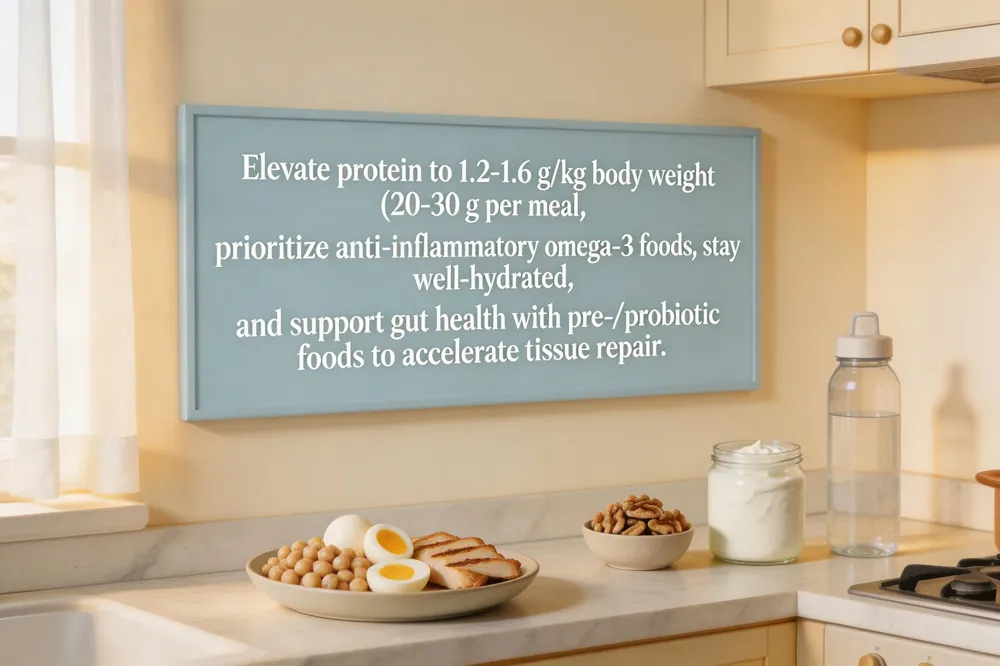 Nutrition for injury recovery – Proper nutrition is a cornerstone of musculoskeletal injury recovery, supplying the calories and nutrients needed to rebuild tissue and preserve muscle mass. Aim for 1.2–1.6 g per kilogram of body weight per day of high‑quality protein, focusing on lean meats, dairy, legumes, and collagen or gelatin sources to provide leucine for tissue repair. Include anti‑inflammatory foods such as fatty fish, walnuts, turmeric, and plenty of colorful fruits and vegetables to modulate swelling and support the immune system. Stay well‑hydrated and consider probiotic‑rich foods (yogurt, kefir, fermented vegetables) to maintain gut health, which can be disrupted by antibiotics or stress after surgery. Adjust carbohydrate and fat intake to meet energy needs without compromising protein.
Protein intake for injury recovery – During recovery protein needs rise 20‑30 % above normal, so most adults benefit from 1.2‑1.5 g/kg/day (≈20‑30 g per main meal). Spread protein evenly across meals to maximize muscle‑protein synthesis, and pair with Dr. Ross’s chiropractic care and therapeutic exercises to accelerate healing and preserve lean mass.
Rehabilitation nutrition for athletes – Athletes should consume 25‑30 kcal/kg/day, with protein 1.6‑2.2 g/kg/day (20‑30 g every 3‑4 hours) and carbohydrates 5‑7 g/kg/day to sustain glycogen stores. Include omega‑3‑rich fats to reduce inflammation and improve cellular membrane health.
Hydration and gut health – Aim for 2‑3 L of water daily, more with intense rehab. Incorporate prebiotic fibers (oats, bananas) and probiotic foods to support a healthy microbiome, which can affect systemic inflammation and recovery speed.
Supporting Bone Density and Joint Comfort
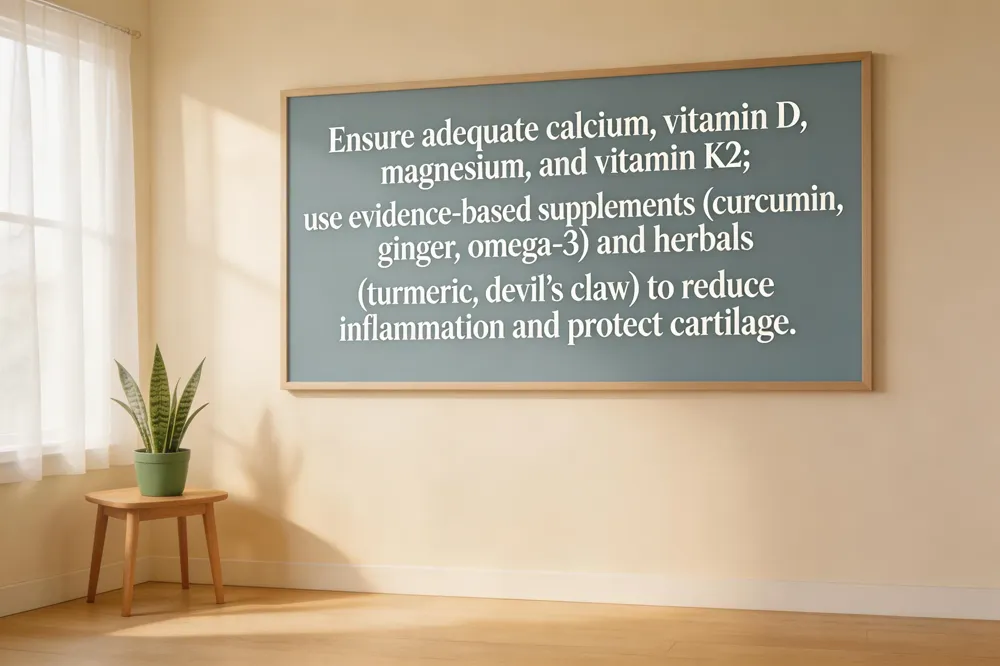 Vitamins for strong bones and joints
Adequate calcium, vitamin D, and magnesium are foundational for bone matrix formation and muscle relaxation. Vitamin K2 (phylloquinone) activates γ‑carboxylation of osteocalcin, directing calcium into bone and preventing deposition in soft tissues, thereby enhancing bone density and joint stability. A balanced multivitamin that includes vitamin C for collagen synthesis further protects cartilage.
Vitamins for strong bones and joints
Adequate calcium, vitamin D, and magnesium are foundational for bone matrix formation and muscle relaxation. Vitamin K2 (phylloquinone) activates γ‑carboxylation of osteocalcin, directing calcium into bone and preventing deposition in soft tissues, thereby enhancing bone density and joint stability. A balanced multivitamin that includes vitamin C for collagen synthesis further protects cartilage.
Supplements for musculoskeletal pain Natural agents such as turmeric (curcumin), ginger, willow bark, devil’s claw, and bromelain have modest anti‑inflammatory effects that can ease muscle and joint discomfort. Omega‑3 fatty acids (EPA/DHA) from fatty fish or algae reduce systemic inflammation and support joint health. High‑quality, third‑party‑tested supplements should be chosen, and any new regimen discussed with a chiropractor or physician to avoid interactions.
Herbs for musculoskeletal pain Herbal botanicals—turmeric, ginger, devil’s claw, yucca, meadowsweet, nettles, and burdock—offer anti‑inflammatory and analgesic properties that complement chiropractic adjustments. Gotu kola and Solomon’s Seal support collagen production, strengthening ligaments and tendons for faster recovery.
Which fruit is good for bones and joints Tart cherries, strawberries, and red raspberries provide anthocyanins and vitamin C, reducing inflammation and protecting cartilage. Avocados supply monounsaturated fats and vitamin E, while dried figs deliver calcium, vitamin K, and potassium essential for bone density.
Practical Daily Strategies and Home Care
 Musculoskeletal pain treatment at home
Use alternating heat and cold packs to cut inflammation and ease stiffness. Gentle low‑impact activities—walking, yoga, hamstring, quadriceps, and chest‑opener stretches—improve flexibility, strengthen supporting muscles, and promote better posture. Add natural anti‑inflammatory agents such as turmeric, ginger, or arnica in teas, supplements, or topicals. An Epsom‑salt bath supplies magnesium that soothes sore muscles. If pain persists, consult Dr. Allison Ross, DC, for personalized chiropractic care.
Musculoskeletal pain treatment at home
Use alternating heat and cold packs to cut inflammation and ease stiffness. Gentle low‑impact activities—walking, yoga, hamstring, quadriceps, and chest‑opener stretches—improve flexibility, strengthen supporting muscles, and promote better posture. Add natural anti‑inflammatory agents such as turmeric, ginger, or arnica in teas, supplements, or topicals. An Epsom‑salt bath supplies magnesium that soothes sore muscles. If pain persists, consult Dr. Allison Ross, DC, for personalized chiropractic care.
7‑day meal plan for osteoporosis Focus on calcium‑rich foods (low‑fat dairy, fortified plant milks, leafy greens, canned salmon with bones) and vitamin D sources (fatty fish, fortified eggs, sunlight‑enhanced foods). Sample breakfasts: Greek yogurt with berries and pumpkin seeds; oatmeal with almond butter and fortified soy milk; kale‑banana smoothie with fortified orange juice. Lunches: grilled salmon salad with kale and quinoa; lentil‑vegetable soup with fortified whole‑grain toast; turkey‑avocado wrap on calcium‑fortified tortilla. Dinners: stir‑fried tofu with broccoli, baked cod with asparagus, beef‑steak salad with collard greens and avocado. Snacks—cheese sticks, fortified crackers, almonds, chia seeds—help meet the 1,200 mg calcium goal.
Nutrition for injury prevention Consume adequate calories, high‑quality protein, and complex carbs to support muscle, tendon, and ligament health. Anti‑inflammatory foods—fatty fish, nuts, seeds, colorful fruits, and veg—keep joint inflammation low and aid tissue repair. Pair calcium‑rich foods with vitamin D for bone density; vitamin C and collagen‑boosting foods (citrus, bell peppers, broccoli) strengthen connective tissue. Stay well‑hydrated and limit added sugars, processed fats, and alcohol to reduce chronic inflammation.
How to make bones and joints strong Eat a balanced diet rich in calcium (dairy, leafy greens, fortified milks, tofu, sardines) and ensure sufficient vitamin D via sunlight, fortified foods, or supplements. Engage in regular weight‑bearing and resistance activities (brisk walking, jogging, strength training) to stimulate bone formation and muscle support. Add balance‑training (tai chi, wobble‑board, single‑leg stands) to improve coordination and lower fall risk. Avoid smoking and excessive alcohol; consider calcium‑plus‑vitamin D supplementation if dietary intake is insufficient.
Optimizing Long‑Term Musculoskeletal Wellness
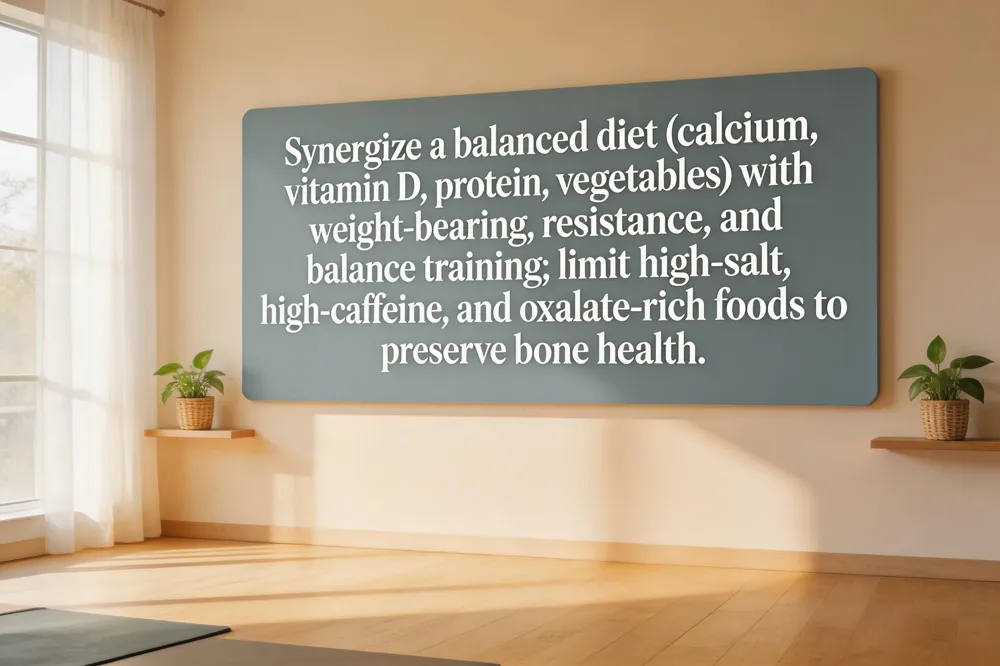 Nutrition and physical activity in musculoskeletal health
A balanced diet rich in calcium, vitamin D, protein and vegetables supports bone density and muscle strength, reducing falls and fractures. Weight‑bearing, resistance and flexibility exercise stimulate bone remodeling and preserve muscle mass. Combined, nutrition and exercise act synergistically, lowering inflammation and enhancing tissue repair.
Sports injury nutrition
Recovery needs 1.5–2.5 g protein/kg body weight daily, split into 25–30 g servings. Include omega‑3 foods (salmon, walnuts, chia, flaxseed), vitamin‑C fruits/veg (oranges, strawberries, bell peppers, broccoli), and zinc sources (lean beef, oysters, pumpkin seeds) to support healing.
Women's foods for strong bones and joints
Prioritize calcium‑rich dairy, fortified plant milks, sardines with bones, kale, collard greens; pair with vitamin D sources (fatty fish, egg yolk, fortified juice). Add magnesium/potassium foods (prunes, bananas, sweet potatoes) and vitamin‑C vegetables. Limit processed foods and excess sodium.
What are the seven worst foods for osteoporosis
Excessive salt, high caffeine, cola‑type soft drinks, alcohol, overly protein‑dense diets lacking vegetables, processed foods, and oxalate‑rich items (spinach, rhubarb, beet greens) increase calcium loss or hinder absorption.
Integrating Nutrition Into Your Chiropractic Care
A personalized nutrition plan starts with Dr. Ross reviewing your dietary habits, health history, and musculoskeletal goals. He uses evidence‑based guidelines—adequate calcium (1,000‑1,200 mg/day), vitamin D (600‑800 IU), 1.0‑1.5 g/kg protein, and at least three servings of nitrate‑rich vegetables—to support bone density, muscle repair, and fall prevention. Dr. Ross coordinates with a registered dietitian to fine‑tune micronutrient intake (vitamin K1, magnesium, omega‑3s) and to address any deficiencies, such as low vitamin D or protein. This collaborative approach ensures nutrition complements your chiropractic adjustments, enhancing tissue healing, reducing inflammation, and promoting long‑term spinal health.