Overview of Modern Disc Pain Management
Modern disc pain management has shifted from invasive procedures to patient-focused, non‑invasive approaches. Conservative care—including physical therapy, spinal decompression, and lifestyle modifications—now serves as the first-line treatment for most disc herniations, with surgery reserved for severe or refractory cases.
This evolution integrates chiropractic adjustments with adjunctive therapies such as myofascial release, cold laser, and corrective exercises. Combining these modalities addresses both symptoms and underlying biomechanical issues, supporting long‑term recovery without drugs or surgery.
Safety and Efficacy of Chiropractic Care for Lower Back Pain
Is chiropractic treatment safe for lower back pain?
Yes, chiropractic care is generally considered safe when performed by a licensed practitioner. Serious complications are rare, and most patients with recent-onset back pain improve within weeks. Studies show spinal manipulation can relieve pain and improve function in acute low-back pain.
What are common side effects and rare risks?
Minor side effects may include temporary soreness, stiffness, headache, or fatigue for a few days after an adjustment. Rare but serious risks—such as a worsening herniated disc, nerve compression, or stroke (particularly after neck manipulation)—have been reported. These risks are minimized when treatment is delivered by a trained professional and contraindications (e.g., severe osteoporosis, spinal infection, cancer) are excluded.
Benefit‑risk balance for drug‑free pain relief
For most individuals seeking drug‑free relief from lower back pain, chiropractic adjustments offer natural pain reduction, improved joint mobility, and reduced dependence on medication. The benefits—including support for sciatica, headaches, and musculoskeletal conditions—generally outweigh the low risk of adverse events, especially compared to the risks of long-term opioid use or surgery. Careful patient selection and provider expertise are key to maintaining this favorable balance.
Non‑Surgical Strategies for Disc Healing
How do you treat disc problems in the back without surgery?
Chiropractic adjustments restore spinal alignment and reduce nerve irritation. Spinal decompression creates negative intradiscal pressure, retracting herniated material. Myofascial release and cold laser therapy ease soft‑tissue tension and inflammation. Corrective exercises and custom orthotics strengthen supportive muscles and improve posture. These conservative methods, often paired with activity modification and physical therapy, manage disc issues effectively without surgery.
What is the best treatment for a herniated disc and sciatica?
Combining chiropractic adjustments and spinal decompression with physical therapy (core strengthening, stretching) is most effective. Adjuncts like myofascial release, cold laser therapy, TENS, and traction reduce inflammation and nerve pressure. Custom orthotics correct posture. This integrated non‑surgical approach relieves pain and restores mobility, offering lasting relief from herniated disc‑related sciatica.
Can a chiropractor make a herniated disc worse?
A qualified chiropractor minimizes risk by conducting thorough examinations and using gentle techniques like flexion‑distraction or low‑force mobilizations. Improper forceful adjustments could aggravate symptoms, but serious adverse events are rare when care is individualized. Choosing an experienced practitioner who tailors treatment to your condition ensures safety and effective pain relief.
Understanding Recovery Timeline and Signs
How long does it take for a herniated disc to heal?
Conservative care often provides noticeable improvement within 4 to 6 weeks, with many patients experiencing significant relief. Clinical studies indicate that 80% of patients improve within this window. Healing progresses through acute, gradual improvement, plateau, and long-term management stages. Full recovery may take up to six months for severe cases, but most regain function within two months. Factors like severity of the herniation and adherence to rehabilitation influence the timeline.
What are the signs that a herniated disc is healing?
Positive signs include gradual pain reduction, less numbness or tingling, and improved range of motion. You may notice fewer muscle spasms, reduced reliance on medication, and return to daily activities. Radiating pain like sciatica often centralizes toward the spine. Return of normal sensation and strength also signals healing. Improved sleep quality and decreased sharp, burning pain further indicate progress, though occasional flare-ups are possible as the disc stabilizes.
Can a herniated or bulging disc heal naturally?
Yes, many disc problems improve naturally when the body's repair processes are supported by gentle movement, rest, and non‑surgical therapies like chiropractic care. Research shows that the body can absorb herniated disc material over time. Gradual activity encourages disc reabsorption and rehydration. While the disc may not fully restore its original structure, natural mechanisms often relieve pain and restore function without surgery. Lifestyle adjustments and proper spinal alignment from chiropractic care help prevent recurrence.
Mechanics of Spinal Decompression and Activity
How does spinal decompression work for a herniated disc?
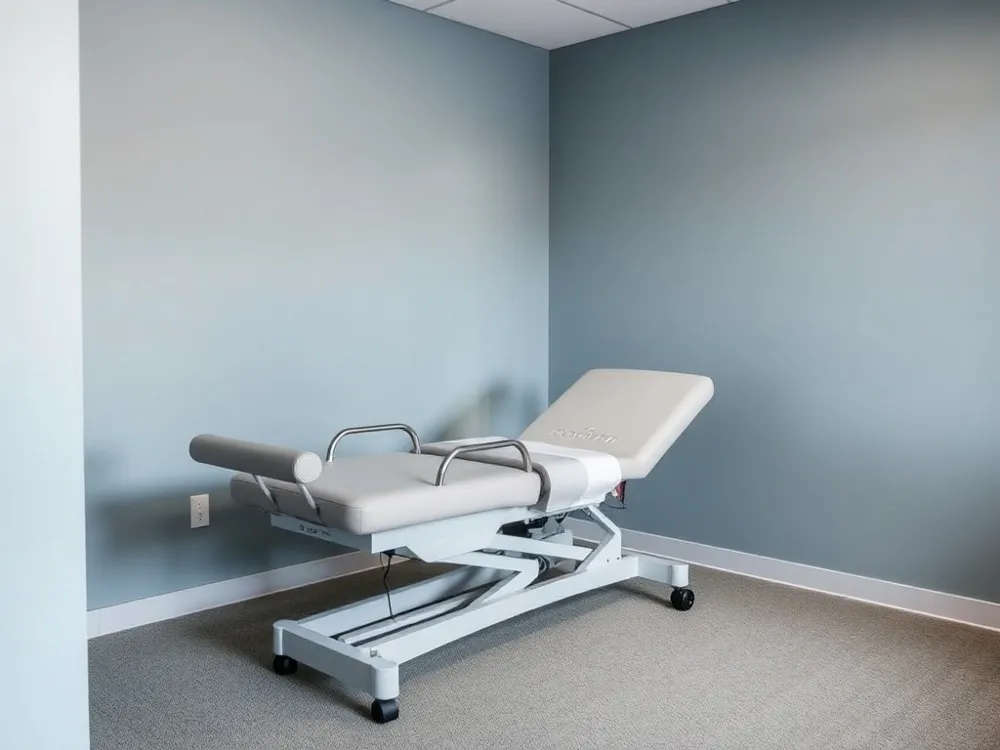
Spinal decompression therapy gently stretches the spine using a motorized table, creating negative intradiscal pressure. This pressure may draw herniated disc material back toward the center and relieve nerve root compression. The alternating stretch‑relaxation cycles improve disc hydration and nutrient flow, supporting natural healing.
Is walking bad for an L4‑L5 or L5‑S1 disc bulge?
No. Gentle walking is a safe, low‑impact activity that promotes blood flow, reduces stiffness, and supports disc health. The saying “motion is lotion” applies — short, frequent walks help maintain mobility and strengthen supporting muscles without worsening the bulging disc.
What are the best exercises for lumbar disc herniation with radiculopathy?
Core‑stabilizing exercises (e.g., pelvic tilts, bird‑dogs) strengthen the muscles that support the spine. The McKenzie method uses controlled extension moves to centralize radiating leg pain. Stretching the hamstrings and hip flexors relieves secondary muscle tension. All exercises should be prescribed by a therapist to avoid aggravating symptoms. This combination can improve function while allowing the disc to heal naturally over 6–12 weeks.
Home Management and Cost Considerations
How can I relieve herniated disc pain in my lower back at home?
Alternate ice packs (10–15 min) with low heat (15–20 min) every few hours to reduce inflammation and relax muscles. Stay active with short, level walks (10–20 min) every 2–3 hours; stop if leg pain worsens. Sleep on your back with a pillow under your knees or on your side with a pillow between them. Perform McKenzie extension exercises to centralize sciatic pain, then follow with lumbar‑stabilization stretches. Over‑the‑counter NSAIDs or topical analgesics can offer additional relief, but use them as directed and consult a professional if pain persists.
What is the typical cost of spinal decompression therapy?
Most patients pay $50–$250 per session out‑of‑pocket. A full course of 15–30 sessions totals about $750–$7,500; average per‑session cost is roughly $150, bringing a standard plan to $3,000–$4,500. Prices vary by location and equipment (e.g., DRX9000). Some clinics offer package deals or membership plans. Ask about additional fees for imaging or supplements before starting.
Is spinal decompression covered by insurance?
Many carriers classify motorized spinal decompression as investigational and do not cover it. However, manual traction or decompression performed as part of a chiropractic plan may be reimbursed under standard CPT codes. Coverage depends on insurer, plan type, and state policies; Medicare generally excludes mechanical decompression. To determine eligibility, obtain a detailed diagnosis and documentation of medical necessity from your chiropractor, then contact your insurer. If coverage is denied, many offices offer cash‑pay options or payment plans.
Long‑Term Lifestyle and Prognosis
Can I live a normal life after a disc bulge?
Yes, most people with a disc bulge can return to a normal, active life when they receive appropriate, non‑surgical care. Research shows that approximately 90% of patients with lumbar disc herniation experience symptom relief within four to six weeks of conservative treatment. Chiropractic adjustments combined with spinal decompression, cold laser therapy, myofascial release, and corrective exercises help reduce nerve pressure, decrease inflammation, and restore spinal mobility. Lifestyle modifications—such as ergonomic workstation setup, posture awareness, regular stretching, and weight management—are essential for preventing recurrence and maintaining long‑term health. Early diagnosis and a personalized treatment plan significantly improve outcomes, allowing patients to resume work, exercise, and daily activities without chronic pain. Surgery is rarely needed when these conservative approaches are followed consistently.
Can a disc bulge be cured permanently?
A disc bulge can often become asymptomatic with appropriate treatment, but the structural weakness in the disc itself usually persists. Non‑surgical approaches such as chiropractic adjustments, spinal decompression, corrective exercises, and lifestyle modifications can relieve pressure on nerves and reduce pain, allowing many patients to return to normal activities. However, because the disc tissue remains vulnerable to re‑injury, ongoing posture awareness, core strengthening, and periodic maintenance care are essential to prevent recurrence. A permanent “cure” in the sense of eliminating the underlying disc vulnerability is unlikely; instead, long‑term management focuses on keeping the bulge stable and symptom‑free. Consistent chiropractic support combined with healthy habits offers the best chance for sustained relief and reduced risk of future flare‑ups.
Integrative, Multidisciplinary Care and Future Directions
Multidisciplinary Teams and AI Guidance
Multidisciplinary care — integrating spine surgeons, pain specialists, physical therapists, and psychologists — improves patient satisfaction, reduces unnecessary surgery, and enhances long‑term recovery. Artificial intelligence models now predict outcomes after physical therapy with an AUC up to 0.936, enabling early identification of poor responders and personalized rehabilitation plans.
Regenerative and Minimally Invasive Advances
Platelet‑rich plasma injections demonstrate superior pain and functional improvement compared to epidural steroids, with benefits lasting up to 12 months. Bone marrow aspirate concentrate and mesenchymal stem cell injections show promise for disc regeneration, but require further trials. Chemonucleolysis using condoliase or collagenase offers a minimally invasive alternative with ~79% success.
Adjunctive Therapies and Risk Factors
High‑intensity laser therapy and repetitive spinal magnetic stimulation provide short‑term pain reduction. Traditional Chinese Medicine modalities reduce disc volume on MRI and improve muscle quality in randomized trials. Key risk factors for postoperative recurrence include diabetes, smoking, obesity, and Modic changes. Standardized outcome measurement using the Oswestry Disability Index and Visual Analogue Scale remains essential for comparing emerging therapies.
Putting It All Together for Sustainable Spine Health
A broad array of evidence‑based non‑surgical options—spinal decompression, physical therapy, chiropractic adjustments, and regenerative injections—can reduce herniation size, relieve pain, and improve function without drugs or surgery. Most patients see significant improvement within weeks of starting conservative care.
Personalized, patient‑focused care that tailors these therapies to individual needs, combined with proactive lifestyle changes and education, encourages sustainable, drug‑free recovery. This integrated, multimodal approach optimizes outcomes. By actively engaging in their care, individuals achieve lasting spine health and typically avoid the need for surgery.