Introduction to Chiropractic Care and Its Impact on Mobility
Overview of chiropractic care principles
Chiropractic care is a health discipline focusing on diagnosing and treating musculoskeletal disorders, primarily through spinal adjustments. Licensed chiropractors use manual joint manipulation and other therapeutic techniques to correct misalignments, relieve pain, and enhance physical function.
Importance of spinal alignment for mobility
Proper spinal alignment is fundamental to effective body movement and coordination. Misalignments can cause nerve irritation, muscle tension, and joint stiffness, restricting mobility. Chiropractic adjustments restore alignment, reduce inflammation, and improve nerve function, allowing for smoother, pain-free movement.
Non-invasive and holistic approach to health
Chiropractic care emphasizes natural healing without surgery or medication. It combines adjustments with lifestyle changes, exercise recommendations, and soft tissue therapies, offering a comprehensive, drug-free approach to improve joint flexibility, reduce pain, and enhance overall wellness.
The Science Behind Chiropractic Care: Pain Relief and Wellness Enhancement

How does chiropractic care contribute to pain relief and improved wellness?
Chiropractic care works by precisely realigning the spine and joints to reduce nerve irritation and inflammation. Misalignments, or subluxations, in the spine can pinch nerves and trigger pain signals, resulting in conditions like back pain, neck pain, and headaches. By restoring proper alignment, Chiropractic adjustments for mobility ease this nerve pressure, which directly relieves pain and helps restore normal joint and muscle function.
Beyond pain relief, Benefits of chiropractic care support the body’s natural healing abilities. It encourages better posture, enhances joint mobility, and improves nervous system communication, which controls movement and sensory functions. This holistic approach helps reduce muscle tension, improve circulation, and promote relaxation—all vital for wellness.
Immediate benefits often include reduced pain and increased flexibility, while long-term advantages encompass improved sleep quality, higher energy levels, stress management, and prevention of future injuries. Because chiropractic care for pain relief is non-invasive and drug-free, it offers a safe option for patients seeking both symptom relief and ongoing health maintenance.
In the U.S., chiropractic medicine is recognized as an effective primary healthcare choice focused on whole-body wellness and quality of life. Care plans often combine adjustments with therapeutic exercises and lifestyle guidance, ensuring sustained improvements in mobility and overall well-being. For more detail, see Chiropractic care for musculoskeletal pain.
Common Musculoskeletal Conditions Treated with Chiropractic Care
What are the common musculoskeletal conditions treated with chiropractic care?
Chiropractic care for musculoskeletal pain addresses a wide range of musculoskeletal issues. Common conditions treated include lower back pain chiropractic treatment, neck pain treatment, headache relief through chiropractic care, joint pain, and muscle aches. These ailments often impact daily function and overall quality of life, making chiropractic care for all ages a popular common alternative treatment in the US.
Patients with sports injuries or auto accident-related pain frequently seek chiropractic care for injury recovery for non-invasive relief. Additionally, pregnancy-related discomfort is another area where chiropractic techniques, such as gentle adjustments for post-injury mobility, can be particularly beneficial.
The treatment focuses on chiropractic adjustments for joint alignment, improving range of motion, and reducing pain without the use of medications or surgery. This approach supports natural healing and enhances mobility.
Chiropractic care is suitable for people of all ages and emphasizes holistic chiropractic treatments, aiming to boost long-term wellness and physical function.
Regular chiropractic visits combined with therapeutic exercises can help maintain daily function and elevate overall quality of life by addressing the root causes of musculoskeletal pain.
Integrative Therapies Enhancing Chiropractic Care at Ross Chiropractic

What natural, non-invasive therapies are combined with chiropractic adjustments to enhance treatment?
At Ross Chiropractic, Chiropractic adjustments for mobility are paired with several natural, non-invasive therapies designed to amplify treatment benefits and promote holistic healing.
Spinal decompression is used to gently relieve pressure on spinal discs, helping reduce pain and improve function. Myofascial release and trigger point therapy targets tight muscles and connective tissues, aiding in relaxation and improving overall tissue health.
Cold laser therapy is employed to decrease inflammation and accelerate the body's natural healing processes. Complementing these therapies, massage therapy for recovery and mobility helps enhance blood flow and alleviates muscle soreness.
Corrective exercises for musculoskeletal health are a critical part of the program, strengthening muscles and restoring proper movement patterns, while custom orthotics provide individualized support for the feet, improving alignment and posture.
Together, these multimodal chiropractic care approaches and non-invasive chiropractic treatments focus on relieving pain, restoring mobility, and supporting long-term wellness, offering patients a comprehensive alternative to surgery or medication.
Posture Correction and Injury Recovery through Chiropractic Care

How can chiropractic care for posture improvement and injury recovery?
Chiropractic care plays a crucial role in correcting posture and aiding injury recovery by focusing on spinal realignment to alleviate strain and tension. Misalignments in the spine can cause muscular imbalances and discomfort, leading to poor posture. Through Chiropractic adjustments for mobility, chiropractors restore proper alignment, which reduces muscular tension and supports the natural posture of the body.
Soft tissue therapies complement spinal realignment by loosening tight muscles and improving joint flexibility. Techniques such as massage and targeted stretching release muscle restrictions and enhance circulation, encouraging tissue healing and increased range of motion.
Enhancement of nerve function is another vital benefit of chiropractic treatment. Realigning vertebrae relieves pressure on nerves, reducing inflammation and allowing better communication between the brain and body. This nerve decompression is essential for pain relief and facilitates quicker recovery from injuries.
Sustaining these benefits often involves ergonomic adjustments and lifestyle modifications. Chiropractors provide personalized advice on proper posture habits, workspace setup, and exercises to reinforce spinal health. These recommendations help maintain mobility improvements and reduce the risk of injury recurrence over time.
By addressing structural imbalances, relieving inflammation, and promoting nerve health, chiropractic care delivers a holistic and drug-free approach to posture correction and injury recovery that supports long-term wellness.
The Essential Role of Personalized Care and Patient Education
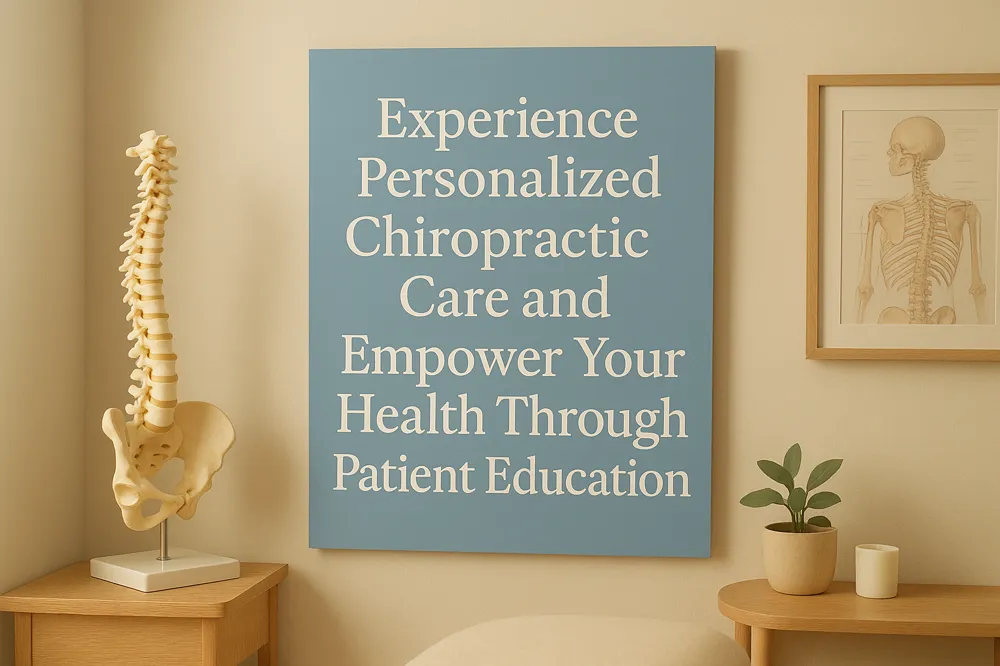
What role does personalized care and education play in chiropractic treatment?
Personalized care is fundamental in chiropractic treatment because it allows practitioners to design tailored interventions that align with each patient's unique health profile and lifestyle. This customization ensures treatments are not only safer but also more effective by addressing specific needs such as age, injury history, and mobility challenges.
Educating patients about their condition and treatment process leads to better adherence and active participation in rehabilitation. When patients understand how Chiropractic care for mobility improvement, Chiropractic adjustments and joint function, and Chiropractic medicine benefit their mobility and overall wellness, they are more likely to follow prescribed care plans consistently.
Open communication between chiropractor and patient builds trust, facilitating transparent discussions about progress and concerns. Regular follow-ups help monitor recovery, adjust treatments, and reinforce preventive measures.
This personalized and educational approach contributes significantly to long-term mobility maintenance and injury prevention, empowering patients to manage their health proactively and reduce the risk of recurring musculoskeletal problems.
Chiropractic Care as a Superior Alternative to Surgery and Medication

What is the advantage of chiropractic care over surgery or drugs?
Chiropractic care stands out as a natural, drug-free, and non-invasive treatment option, offering significant advantages over surgery and medication, especially for conditions like low back pain. Unlike surgery or pharmaceuticals, chiropractic focuses on restoring proper spinal alignment and joint function through manual adjustments, soft tissue therapies, and rehabilitative exercises. This approach targets the root cause of pain—such as nerve irritation or musculoskeletal imbalances—rather than merely masking symptoms.
Clinical studies support chiropractic care benefits for musculoskeletal conditions, showing moderate short-term improvements and high patient satisfaction rates. Importantly, chiropractic treatments reduce reliance on opioids and other pain medications, aligning with growing concerns about medication side effects and addiction risks (Chiropractic care and reduction of medication side effects). By relieving pressure on nerves like the sciatic nerve and improving mobility, chiropractic care often helps patients avoid invasive procedures unless absolutely necessary.
Beyond immediate pain relief, chiropractic care promotes long-term wellness by injury prevention and chiropractic care and maintaining musculoskeletal health (Chiropractic care for mobility improvement). Its holistic approach includes personalized exercise recommendations and lifestyle advice (Lifestyle advice in chiropractic treatment, Chiropractic lifestyle guidance), supporting sustained spinal health and functional movement. In comparison, surgery and drugs carry higher risks, potential complications, and often lack the emphasis on ongoing prevention and natural healing.
Through evidence-based, conservative management, chiropractic care offers a safe and effective pathway to pain relief and improved quality of life, making it a superior first-line treatment for many musculoskeletal conditions (Evidence-Based Practice in Chiropractic Care, Non-Surgical Treatment Options).
Conclusion: Embracing Chiropractic Care for Lifelong Mobility
Enhancing Mobility Through Chiropractic Care
Chiropractic care plays a vital role in improving and maintaining mobility by addressing spinal alignment, reducing joint stiffness, and alleviating pain. Regular chiropractic adjustments help restore proper joint function, promote flexibility, and reduce inflammation, which supports smoother movement.
Personalized and Proactive Approach
Embracing chiropractic care early can prevent the progression of mobility issues related to aging, injury, or posture. Care plans are tailored to individual needs, often integrating therapeutic exercises and lifestyle guidance to optimize long-term benefits.
Natural and Non-Invasive Solutions
Chiropractic treatment offers a drug-free, non-surgical pathway for managing musculoskeletal conditions. By focusing on natural healing and nervous system support, it provides a holistic approach to maintaining an active, independent lifestyle.
This holistic strategy encourages individuals to take control of their health, ensuring better mobility and quality of life throughout all stages of life.