Why Foot and Spinal Harmony Matters
The foot is the foundation of the kinetic chain; every step transmits forces upward through the ankle, knee, hip, pelvis and finally the spine. When the arches collapse or the foot over‑pronates, the tibia rotates inward, the femur follows, and the pelvis tilts, forcing the lumbar and thoracic vertebrae into a compensatory curve. This chain reaction can create chronic low‑back, hip, and neck pain, as documented by the National Institutes of Health and numerous chiropractic studies. Ross Chiropractic embraces an integrated approach: a detailed gait and foot‑posture analysis is performed, often using 3‑D scanning or pressure mapping, followed by a custom orthotic fabricated to correct the individual’s biomechanical deficits. The orthotic stabilizes the foot, restores neutral pelvic alignment, and allows spinal adjustments to maintain their corrective effect. By treating the foot and spine together, patients experience faster pain relief, improved posture, and a stronger, more balanced foundation for daily activities.
The Science Behind Custom Orthotic Design
 How are custom orthotics designed?
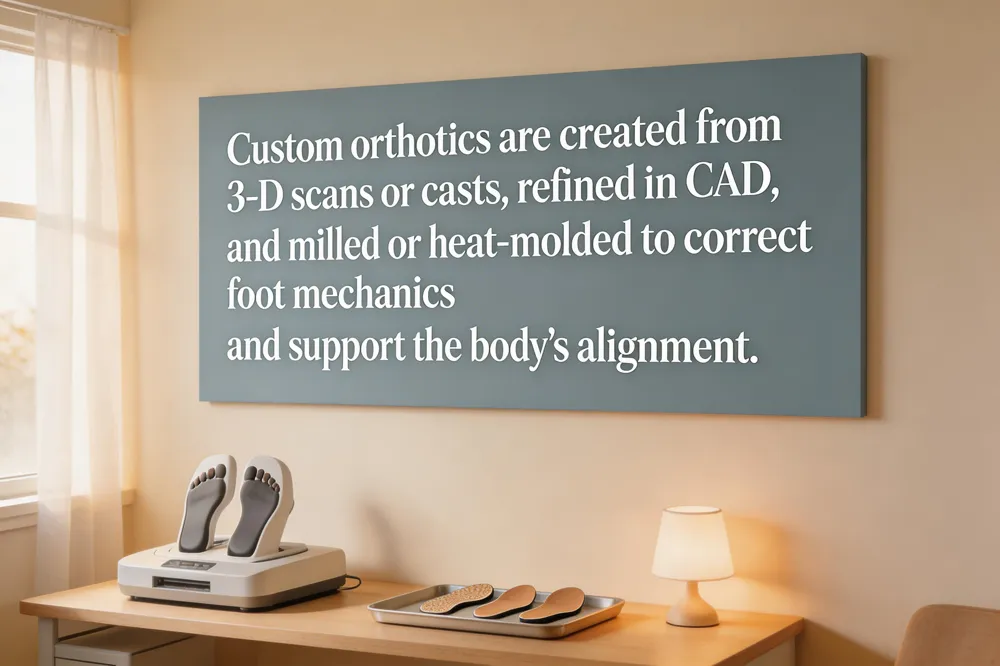
Design begins with a comprehensive foot assessment—symptom review, gait analysis, and precise measurement of arches and pressure points. A 3‑D digital scan or foam/plaster cast captures the exact foot contour, which is imported into CAD software. Clinicians add corrective offsets for over‑pronation, supination, or leg‑length discrepancies. The CAD model is then milled or heat‑molded, and hand‑finished to match the patient’s anatomy.
How are custom orthotics designed?
Design begins with a comprehensive foot assessment—symptom review, gait analysis, and precise measurement of arches and pressure points. A 3‑D digital scan or foam/plaster cast captures the exact foot contour, which is imported into CAD software. Clinicians add corrective offsets for over‑pronation, supination, or leg‑length discrepancies. The CAD model is then milled or heat‑molded, and hand‑finished to match the patient’s anatomy.
What are the negatives of orthotics? Initial soreness, blisters, or skin irritation can occur if the device is too tight or improperly fitted. Over‑reliance may weaken intrinsic foot muscles, and some shoes (narrow‑toe, high‑heels) may be difficult to wear. Rarely, nerve compression can cause tingling if the orthotic is too rigid.
Do orthotics realign your body? Yes. By stabilizing the foot’s three arches—medial longitudinal, lateral longitudinal, and anterior transverse—orthotics create a neutral base that evenly distributes load through the ankles, knees, hips, and spine, reducing compensatory strain and improving overall posture.
Can orthotics cause nerve damage? Nerve irritation is possible with ill‑fitting inserts, but permanent damage is uncommon. Proper fitting, gradual break‑in, and material adjustments prevent nerve issues.
Functional vs. Accommodative Orthotics Functional (semi‑rigid or rigid) devices control motion and correct alignment, while accommodative (soft) orthotics prioritize cushioning for conditions like diabetic ulcers. Material choices—rigid carbon‑fiber, semi‑rigid EVA, or soft silicone—are guided by the patient’s activity level and therapeutic goals.
Integrating Orthotics into Chiropractic Care
 Addressing overpronation is a cornerstone of chiropractic wellness. Well‑designed custom orthotics support the medial arch and limit inward foot motion, dramatically reducing overpronation and the downstream stress on knees, hips, and spine. While over‑the‑counter inserts may offer modest relief, only a precise, patient‑specific device can fully control severe pronation and work in tandem with corrective exercises and gait training.
Chiropractic adjustments and orthotic synergy create a powerful feedback loop. After a spinal adjustment restores vertebral positioning, an orthotic maintains the corrected foot‑to‑pelvis relationship, preventing the foot from reverting to a pronated state that would otherwise pull the spine back out of alignment. This combined approach maximizes pain relief and promotes lasting functional change.
A chiropractor’s role in prescribing orthotics is both diagnostic and therapeutic. Using gait analysis, pressure mapping, and biomechanical assessment, the clinician determines the exact arch height, posting, and material needed, then collaborates with a certified orthotist to fabricate the device.
Comprehensive spine‑alignment treatment therefore includes: (1) hands‑on adjustments, (2) targeted modalities such as decompression and myofascial release, (3) personalized corrective‑exercise programs, and (4) custom orthotics that sustain proper foot mechanics throughout daily activity.
Can orthotics fix overpronation? Yes—custom orthotics significantly reduce overpronation by supporting the medial arch and controlling inward motion, especially when paired with exercises and chiropractic care.
What is the best treatment for spine alignment? The most effective protocol blends precise chiropractic adjustments with spinal decompression, myofascial release, core‑strengthening exercises, and custom orthotics for continuous biomechanical support.
Can a chiropractor recommend orthotics? Absolutely. Chiropractors assess the kinetic chain, prescribe biomechanically‑designed orthotics, and integrate them with adjustments and therapeutic modalities to enhance overall musculoskeletal health.
Finding the Right Orthotic Provider
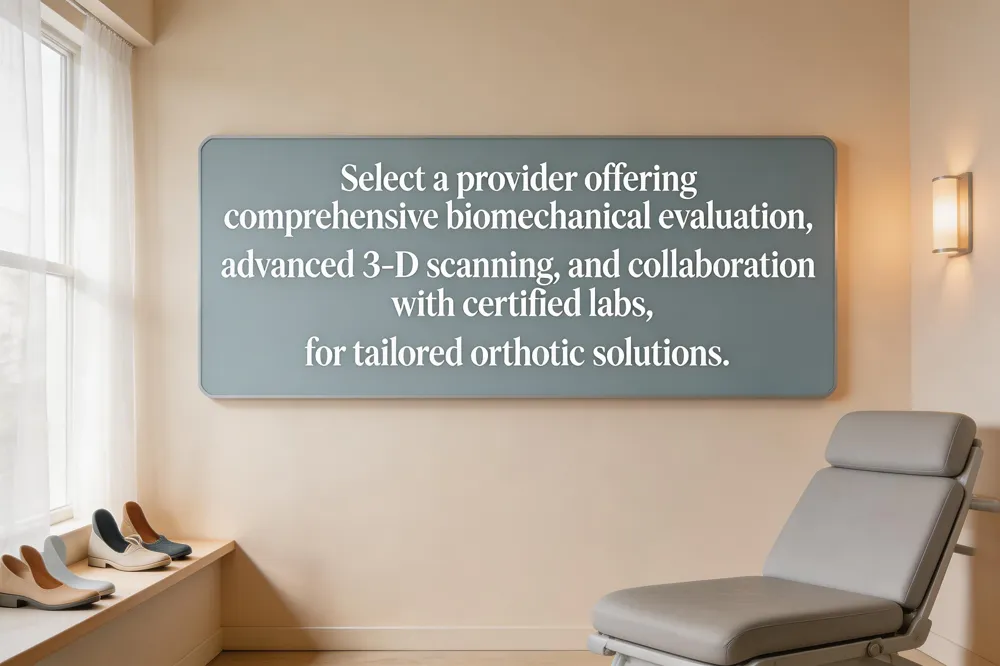 When you search for “custom orthotics near me,” Dr. Allison Ross, DC offers a complete, in‑clinic solution right here in San Jose, CA. At Ross Sports Chiropractic the first step is a detailed biomechanical evaluation that includes a state‑of‑the‑art 3‑D foot scan and gait analysis. This digital capture produces an exact computer model of each foot, which is then transmitted to a certified U.S. lab for fabrication. The lab can work with a range of high‑quality materials—including rigid polypropylene, semi‑rigid EVA, carbon‑fiber composites, or acrylic—to tailor the orthotic’s stiffness, cushioning, and durability to your activity level and therapeutic goals. After the orthotics are milled or 3‑D printed, you return for a fitting appointment where the practitioner checks comfort, shoe compatibility, and alignment correction. Follow‑up visits are scheduled over the next few weeks to fine‑tune the device, monitor wear patterns, and integrate the insoles with chiropractic adjustments, myofascial release, and corrective exercises for optimal long‑term spinal and musculoskeletal health.
Financial Considerations: Cost and Insurance
 Good foot orthotics typically range from $300 to $800 for a custom‑made pair, with most patients paying around $400‑$600 depending on materials and the provider’s fees. Semi‑custom or heat‑molded inserts are less expensive, usually costing between $60 and $300, while over‑the‑counter options are the cheapest at $10‑$20 per pair but lack personalized support.
Most U.S. health insurers treat custom orthotics as durable medical equipment and will cover a portion of the cost when a qualified practitioner—such as a podiatrist, orthopedic specialist, or chiropractor like Dr. Ross—provides a prescription. Coverage varies by plan; patients should review annual limits, deductibles, and pre‑authorization requirements. Documentation must include a medical diagnosis (e.g., plantar fasciitis, severe pronation, postural issues) and evidence that conservative treatments have been tried. Using an in‑network orthotic supplier reduces out‑of‑pocket expenses.
Many patients offset out‑of‑pocket costs with HSA or FSA funds, which allow tax‑free reimbursement for qualified medical expenses, including custom orthotics. Keeping copies of the prescription, supporting records, and provider notes simplifies claim submission and maximizes reimbursement.
Spinal Orthoses: Supporting the Backbone
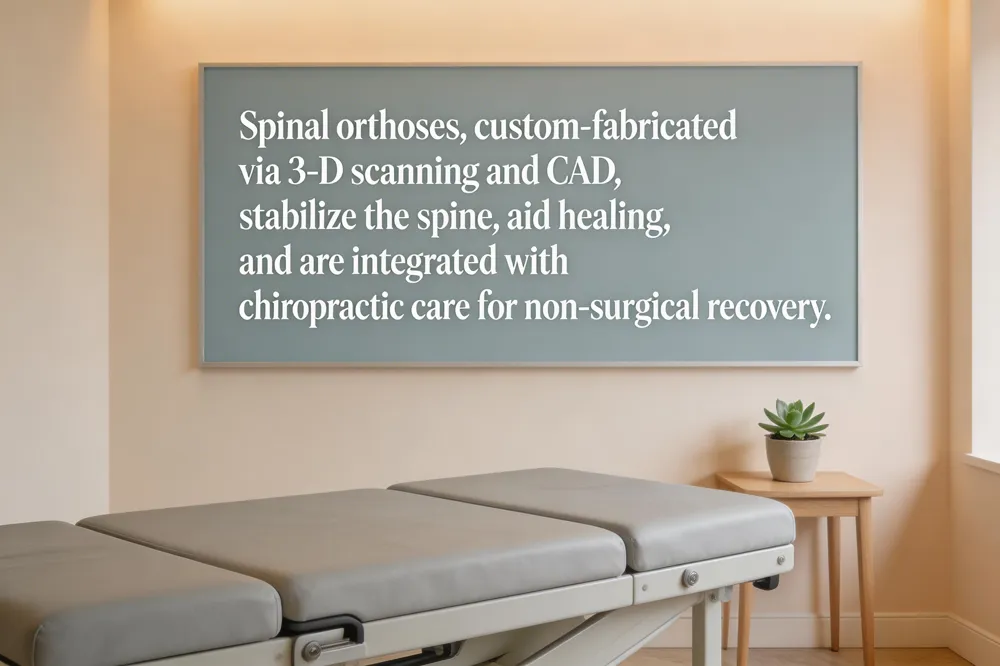 Spinal orthotics, also called spinal orthoses or braces, are external devices that support and stabilize the spine by limiting unwanted motions and helping maintain proper alignment. They are custom‑fabricated or off‑the‑shelf devices that wrap around the torso or lower back, providing rigid or flexible support depending on the patient’s condition. By restricting movement, they promote fracture healing, relieve pain, and prevent the progression of deformities such as scoliosis or post‑injury curvature. Spinal orthotics also aid in managing chronic issues like spinal stenosis, herniated discs, and post‑surgical recovery by reducing stress on vertebrae and surrounding muscles.
Modern custom fabrication relies on 3‑D scanning and computer‑aided design (CAD) to create a precise digital model of the patient’s anatomy. This model guides CNC milling or additive manufacturing (e.g., SLS, MJF) to produce a perfectly contoured brace that matches the individual’s curvature and body shape.
Typical conditions treated include idiopathic scoliosis, post‑operative spinal stabilization, and chronic low‑back pain stemming from biomechanical imbalances.
At Ross Chiropractic, spinal orthoses are integrated into a non‑invasive, patient‑focused plan that combines chiropractic adjustments, spinal decompression, myofascial release, and corrective exercises. The orthotic provides a stable foundation, allowing adjustments to maintain alignment between visits and accelerating functional recovery without surgery or medication.
Achieving Long‑Term Wellness with Custom Orthotics
Custom orthotics align the arches, redistribute weight, and stabilize the kinetic chain, reducing strain on knees, hips, and lumbar spine. Patients begin with a gait analysis and foot‑posture assessment, then receive a 3‑D scan or foam impression. Ross Chiropractic delivers personalized, drug‑free care, integrating orthotics with adjustments for lasting wellness.