Understanding Herniated Discs: Symptoms and Causes
Definition of a Herniated Disc
A herniated disc, also known as a slipped or ruptured disc, occurs when the soft, jelly-like center (nucleus pulposus) of a spinal disc pushes through a tear in the tough outer layer (annulus fibrosus). This protrusion can put pressure on nearby spinal nerves causing pain and neurological symptoms.
Symptoms Associated with Herniated Discs
Symptoms vary based on the location of the herniation:
- Lumbar (lower back) herniations often cause sciatica, which is pain radiating from the lower back down the leg, accompanied by numbness, tingling, or weakness.
- Cervical (neck) herniations can lead to neck pain, arm tingling, numbness, or weakness affecting the shoulders, arms, or hands.
- Other symptoms include sharp or burning pain, muscle weakness, and difficulty with movement.
Common Causes and Risk Factors
Herniated discs often result from:
- Age-related disc degeneration as discs lose water content and become brittle.
- Traumatic injuries like falls or accidents.
- Repetitive bending, twisting, or improper lifting techniques.
- Risk factors include being between 30-50 years old, male gender, obesity, smoking, prolonged sitting, and certain connective tissue disorders.
Anatomy of Spinal Discs
Spinal discs are located between vertebrae in the spine and serve two essential roles:
- Shock Absorption: The gel-like nucleus cushions impacts.
- Mobility: The outer annulus fibrosus provides structure and flexibility. The integrity of these discs is vital for spinal health, and breaches in the outer layer cause herniation and subsequent symptoms.
Accurate Diagnosis: Physical Exams and Advanced Imaging

What is a herniated disc and what symptoms does it cause?
A herniated disc occurs when the soft inner gel-like center of a spinal disc pushes through a tear in its tougher outer layer. This bulging material can press on nearby nerves, causing symptoms such as pain, numbness, tingling, or muscle weakness in areas served by the affected nerve. For more information on Herniated disc causes and symptoms.
Physical examinations for herniated discs
Diagnosis typically starts with a physical examination for herniated disc. Doctors evaluate tenderness in the spine area, test muscle strength, check reflexes, and assess walking ability. Sensation tests help detect areas of numbness or abnormal feeling, indicating nerve involvement.
Neurological assessments including reflex and sensation tests
Neurological exams pinpoint the extent of nerve compromise by assessing reflex responses and sensory functions. These tests are essential to distinguish herniated disc symptoms from other neurological conditions. Learn about nerve conduction studies for herniated disc and electromyograms (EMGs) and herniated disc.
Role of MRI, CT scans, X-rays, and nerve conduction studies
Imaging plays a critical role in confirming the diagnosis. MRI for herniated disc diagnosis is preferred for detailed visualization of disc anatomy and nerve compression. CT scans for herniated disk diagnosis provide additional structural information, while X-rays for herniated disk diagnosis help exclude other causes like fractures. Nerve conduction studies and electromyograms (EMGs) measure electrical activity to localize nerve damage.
Importance of detailed diagnosis for treatment planning
Accurate diagnosis combining physical and imaging assessments ensures appropriate treatment planning for herniated discs. It helps determine whether conservative treatments for herniated discs or surgical intervention for herniated discs is needed, enhancing patient outcomes and preventing complications.
Conservative, Non-Surgical Treatments: The Foundation of Care
What is the standard of care for treating a herniated disc?
The standard of care for herniated discs starts with conservative, non-surgical treatments aimed at managing pain and improving function without invasive procedures. Initial approaches focus on activity modification and gentle self-care like applying heat and cold therapy packs to reduce inflammation and relieve discomfort.
Initial treatment approaches for herniated discs
Most patients begin with a period of rest, avoiding activities that exacerbate symptoms while gradually maintaining light movement such as walking. This prevents stiffness and promotes circulation, which aids healing. Over-the-counter medications such as acetaminophen and nonsteroidal anti-inflammatory drugs (NSAIDs) for herniated disc are commonly used to ease pain and reduce inflammation.
Pain management with NSAIDs and muscle relaxants
NSAIDs like ibuprofen or naproxen help control inflammation caused by nerve irritation. Muscle relaxants for herniated disc spasms are also prescribed when muscle spasms accompany pain, providing added relief. These medications are typically short-term to limit side effects while improving mobility.
Usage of corticosteroid injections
For more severe or persistent pain, corticosteroid injections can be administered near the affected nerve roots. These injections reduce swelling and nerve pressure, offering targeted relief beyond oral medications. They are an important adjunct to the conservative treatment toolkit.
Physical therapy and exercise for pain relief and spinal stability
Physical therapy for herniated disc is a critical component, with a focus on educating patients about proper body mechanics and spinal alignment. Exercises strengthen core muscles and improve flexibility, which can stabilize the spine and decrease disc pressure. Therapists customize programs that gently progress from pain relief techniques to strengthening and endurance training, facilitating recovery and preventing future episodes.
Lifestyle modifications including heat/cold therapy and walking
Alternating between cold packs to control initial inflammation and heat to promote blood flow supports symptom management. Patients are encouraged to avoid prolonged bed rest for herniated disc and instead engage in low-impact activities like walking. Maintaining a healthy weight, quitting smoking, and ergonomic adjustments at work further enhance recovery prospects.
These conservative treatments for herniated discs form the cornerstone of herniated disc care, with most individuals experiencing improvement within 6 to 12 weeks. Surgery is considered only when these approaches fail or neurological symptoms worsen, reflecting a patient-centered, minimally invasive treatment philosophy.
The Role of Chiropractic Care in Herniated Disc Management
How can chiropractors help with herniated discs?
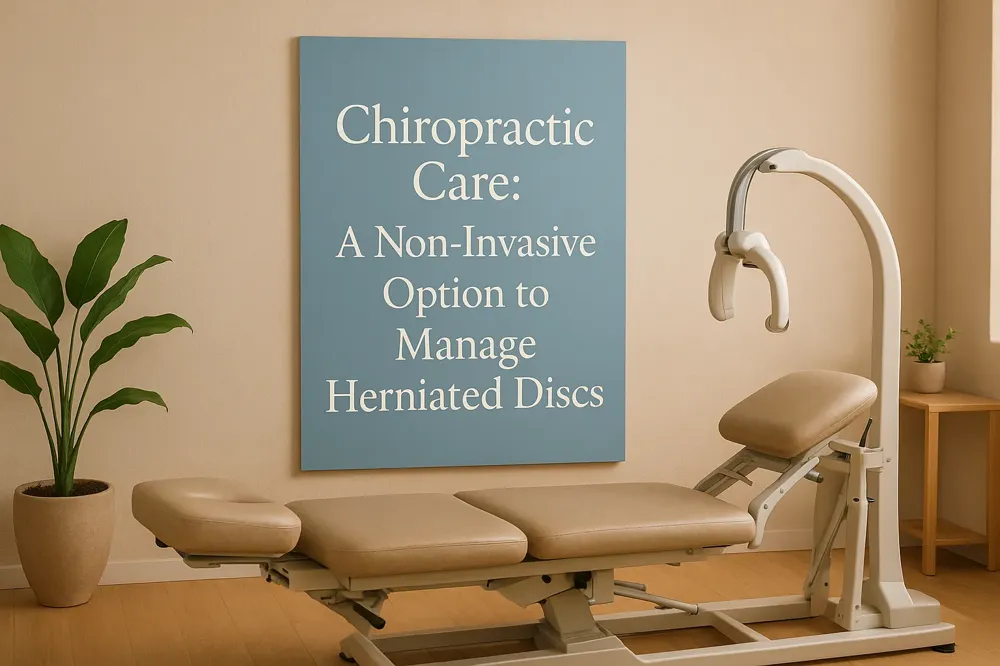
Chiropractors provide a non-invasive, drug-free approach to managing herniated discs. They utilize spinal adjustments to realign vertebrae and reduce nerve pressure caused by the disc protrusion. These adjustments can alleviate pain, decrease muscle spasms, and improve spinal mobility.
In addition to manual spinal manipulation, chiropractic care often incorporates spinal decompression therapy. This technique gently stretches the spine to create negative pressure, encouraging the herniated disc material to retract and promoting healing.
Therapeutic exercises focused on strengthening core muscles, improving posture, and enhancing spinal stability form an integral part of chiropractic treatment. Myofascial release therapies help relax tight muscles and fascia surrounding the spine, easing discomfort and improving function.
Chiropractors also conduct thorough patient assessments, including medical history reviews and physical and neurological examinations, sometimes using imaging results to tailor treatment plans. They emphasize patient education and lifestyle adjustments to support long-term spinal health.
How long does it typically take for chiropractic care to improve symptoms of a bulging or herniated disc?
The duration until patients notice improvements varies based on the severity of the herniation, overall health, and adherence to therapy. Generally, consistent chiropractic care for herniated discs can yield noticeable symptom reduction within a few weeks.
For some, relief may come sooner, especially with mild to moderate cases, while more complex or chronic herniations might require several months of dedicated treatment. The goal is not only symptom relief but also restoring spinal function and preventing future disc problems.
Chiropractic care is often combined with other conservative therapies, such as physical therapy for herniated disc or acupuncture for herniated disc, enhancing the overall effectiveness for a comprehensive recovery.
Safety considerations and patient assessment
Chiropractic treatments are considered safe for most patients with herniated discs when performed by trained professionals. Careful evaluation helps identify any contraindications, such as severe neurological deficits or spinal infections, which require urgent medical attention.
Patient selection and personalized therapy ensure that spinal adjustments and decompression are applied appropriately to minimize risks. The focus remains on gentle, low-force techniques rather than forceful manipulations to avoid aggravating the disc condition.
By prioritizing patient safety and ongoing evaluation, chiropractic care can be an effective component of a multidisciplinary approach to herniated disc management.
Physical Therapy and Holistic Modalities Supporting Recovery

What non-surgical treatments are available for herniated discs?
Non-surgical treatments are the primary approach for most herniated disc cases, aiming to relieve pain and restore function without surgery. These include medications like over-the-counter Nonsteroidal anti-inflammatory drugs (NSAIDs) for herniated disc, muscle relaxants, and corticosteroids to manage inflammation and pain. Corticosteroid injections target inflammation near irritated nerves to reduce discomfort.
Physical therapy exercises and modalities for herniated disc
Physical therapy for herniated disc recovery is essential in managing herniated discs, focusing on strengthening core muscles, improving posture, and increasing spinal stability. Therapists use a combination of active exercises such as aerobic conditioning, stretching, and strengthening, alongside passive treatments like manual therapy, traction, and Transcutaneous Electrical Nerve Stimulation (TENS).
Active versus passive therapy techniques
Active treatments involve patient participation in exercises that build strength and flexibility, improving long-term outcomes. Passive techniques are therapist- or device-applied, like massage or traction, to reduce pain and inflammation temporarily. An effective program often combines both approaches to maximize recovery.
Complementary therapies such as acupuncture and massage
Acupuncture for herniated disc and massage therapy for herniated disc complement conventional treatments by promoting circulation and reducing muscle tension. These modalities help alleviate pain and improve mobility without drugs or surgery, offering non-invasive symptom relief.
Use of cold and heat therapy
Alternating Heat and cold therapy for herniated disc are simple yet effective methods to decrease inflammation and facilitate healing. Cold therapy is typically used initially to minimize swelling, followed by heat to enhance blood flow and relax muscles.
Importance of patient education and posture correction
Educating patients on proper body mechanics, posture, and lifestyle changes is vital to prevent further injury. Physical therapists guide patients on safe movement patterns and ergonomics, which supports recovery and reduces the risk of future herniations.
Combining physical therapy with holistic modalities provides a well-rounded, conservative care plan that reduces symptoms and promotes healing for herniated disc patients.
Healing and Recovery: Can a Herniated Disc Improve Without Surgery?

Can a herniated disc heal without surgery?
Yes, many herniated discs can heal naturally without surgical intervention. The body’s inflammatory and immune responses often facilitate the resorption of the herniated disc material within 3 to 6 months. This natural healing process helps decrease the pressure on affected nerves and reduces symptoms such as pain and numbness.
How does conservative care support the healing process?
Conservative care is fundamental for promoting recovery. Common non-surgical treatments include:
- Rest combined with gradual return to activity
- Physical therapy for herniated disc focusing on posture, core strengthening, and flexibility
- Anti-inflammatory medications like NSAIDs for herniated disc
- Corticosteroid injections to reduce nerve inflammation
These approaches alleviate nerve compression and inflammation, supporting symptom relief while the disc material gradually shrinks.
What factors influence recovery?
Several factors affect how well a herniated disc heals naturally:
- Size and location of the herniation
- Patient’s age and general health
- Degree of nerve involvement
- Adherence to conservative treatment and lifestyle modifications for herniated disc
What are common signs that a herniated disc is healing?
Patients often notice:
- Gradual reduction in pain and numbness
- Improved mobility and muscle strength
- Less reliance on pain medication
- Diminishing nerve irritation and muscle spasms
- Enhanced sleep quality
Regular medical monitoring, including physical exams for herniated disc diagnosis and imaging when necessary, helps confirm recovery progress.
Typical timelines and the importance of monitoring
Most individuals experience noticeable improvement within weeks, with continued healing over 3 to 6 months. Persistent or worsening symptoms may indicate the need for surgical options for herniated disc. Regular follow-ups ensure timely adjustments to treatment and prevent complications such as chronic nerve damage.
Recognizing Emergencies: When to Seek Immediate Medical Attention
What are the emergency symptoms that require immediate medical attention for a herniated disc?
Certain symptoms linked to a herniated disc signal urgent medical conditions that demand prompt attention to prevent permanent damage. These include:
- Severe numbness or weakness in limbs: Sudden or rapidly worsening limb weakness or numbness can impair mobility and suggest nerve injury.
- Bladder or bowel dysfunction: Loss of bladder or bowel control, difficulty urinating, or incontinence may indicate serious nerve compression.
- Saddle anesthesia: Numbness in the area around the groin, inner thighs, and buttocks is a hallmark of cauda equina syndrome.
What is Cauda Equina Syndrome?
Cauda equina syndrome is a rare but serious condition that occurs when the nerves at the base of the spinal cord become compressed by a herniated disc. It can cause:
- Severe lower limb weakness
- Loss of sensation in the saddle area
- Loss of bladder and bowel control
This syndrome requires immediate surgical intervention to avoid permanent paralysis and loss of function.
Why is prompt diagnosis and treatment important?
Early recognition and treatment of these emergency symptoms are critical. Delays can lead to lasting nerve damage, chronic pain, or permanent disability. Rapid evaluation via physical exam for herniated disk and imaging like MRI for herniated disc diagnosis helps confirm the diagnosis and guide urgent management.
If you experience any of these warning signs, seek medical care immediately to enable timely intervention and protect nerve function.
Integrating Comprehensive Care for Lasting Relief and Wellness
Importance of a Multidisciplinary Approach
Managing a herniated disc effectively often means combining expertise from various medical disciplines. This holistic approach addresses pain, inflammation, and mobility challenges through complementary methods.
Combining Chiropractic, Physical Therapy, and Medical Treatments
Chiropractic care offers spinal adjustments and decompression therapies that reduce nerve pressure. Physical therapy focuses on exercises to strengthen core muscles, improve flexibility, and restore posture. Medical treatments include pain management with medications and, when needed, minimally invasive procedures to relieve nerve irritation.
Patient Education and Lifestyle Changes
Teaching patients proper body mechanics, lifting techniques, and posture is critical. Lifestyle modifications such as weight control, quitting smoking, and regular exercise support spinal health and prevent recurrence.
Early Intervention and Personalized Treatment Plans
Timely diagnosis and individualized plans can streamline recovery and avoid complications. Treatments are tailored to symptom severity, nerve involvement, and patient needs, ranging from conservative care to surgical options.
Focus on Long-term Spinal Health and Prevention
Beyond symptom relief, maintaining spinal integrity through ongoing strengthening, flexibility, and ergonomic awareness is essential. Preventative strategies reduce the risk of further disc injury and foster lasting wellness.