Introduction to Comprehensive Back Pain Treatment
Understanding Back Pain: Types and Duration
Back pain is a common health issue affecting millions, characterized by discomfort in the upper, middle, or lower back. It can be classified by duration: acute (less than 4 weeks), subacute (4 to 12 weeks), and chronic (lasting more than 12 weeks). Chronic back pain often requires long-term management strategies and can significantly impact daily life.
Causes and Symptoms
The causes of back pain are diverse, including muscle strains, ligament sprains, herniated or bulging discs, arthritis, spinal stenosis, and conditions like myofascial pain syndrome. Symptoms may range from localized pain to radiating discomfort, sometimes accompanied by numbness or weakness, especially if nerves are involved.
Importance of a Multifaceted Treatment Approach
Back pain management requires a comprehensive strategy tailored to each individual. Treatments often combine physical therapy, lifestyle modifications, psychological techniques, and medical interventions. This approach addresses not only physical symptoms but also emotional and functional aspects, optimizing recovery and enhancing quality of life.
Types and Causes of Back Pain: A Foundation for Treatment
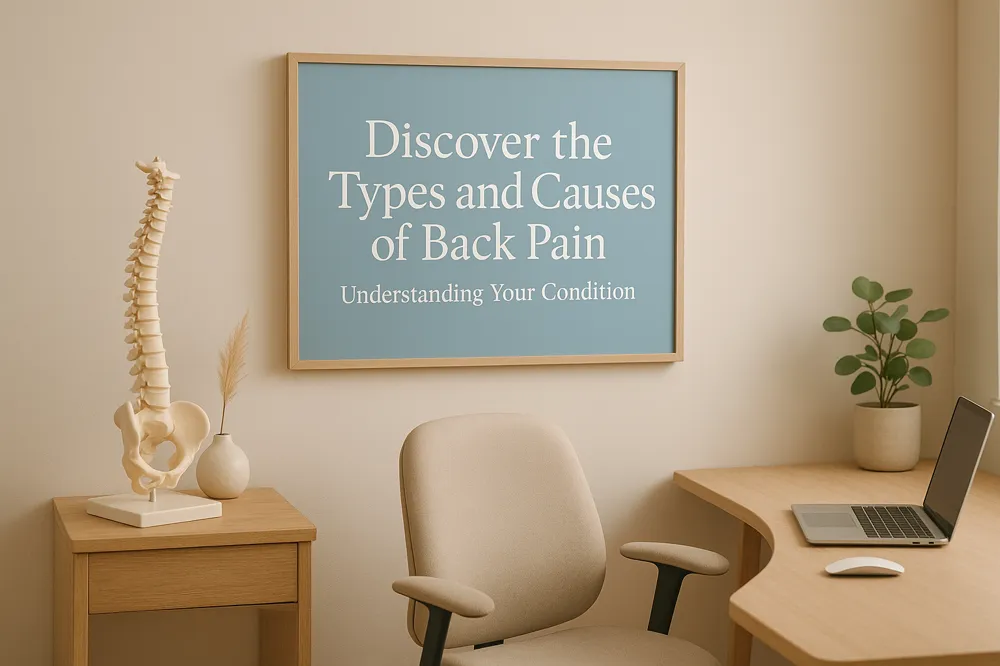
What types of back pain are commonly recognized?
Back pain is typically divided into several types based on the source and nature of the pain. Mechanical Causes of Back Pain is the most common, relating to physical strain or structural issues such as muscle strains, ligament sprains, and degenerative disc disease.
Neuropathic pain arises when nerves are compressed or irritated, exemplified by conditions like sciatica, which can cause radiating pain down the legs. Arthritis and Back Pain is linked to joint diseases such as arthritis or ankylosing spondylitis, characterized by chronic inflammation.
Referred Pain from Organs is associated with problems in other organs — for example, kidney infections or gallbladder disease — which manifest as back discomfort.
What are the common causes of back pain?
The causes of back pain vary widely. Muscle strains and ligament sprains often occur from sudden injury or overuse. Structural issues including Herniated Disks, Spinal Stenosis (narrowing of the spinal canal), Arthritis of the spine, and degenerative disc disease are frequent culprits.
Other causes include Myofascial pain syndrome, spondylolisthesis (vertebral slippage), scoliosis, infections, and tumors. Lifestyle factors like poor posture and obesity also contribute.
How are back pain symptoms evaluated and diagnosed?
Symptoms may include localized or radiating pain, weakness, numbness, and reduced mobility. Red flag symptoms for back surgery include bowel or bladder dysfunction, limb weakness, and severe neurological deficits.
Diagnosis often begins with a thorough physical examination and health history. Imaging tools like X-ray for Back Pain, MRI for Back Pain Diagnosis, or CT Scan for Back Pain help reveal structural abnormalities. Electromyography for Back Pain and blood tests may assist in identifying nerve involvement or infections.
Proper classification and identification of causes are crucial for tailoring effective Back Pain Treatment Options, ranging from conservative therapies to surgical intervention when necessary.
Conservative and Non-Surgical Treatments for Chronic Back Pain
What are common treatments for chronic back pain?
Chronic Back Pain is usually managed with a blend of conservative and Non-surgical treatment options that target pain relief and functional improvement. Physical therapy for back pain plays a central role, offering tailored exercise programs that strengthen back muscles, enhance flexibility, and correct posture to support long-term spinal health. Maintaining a consistent physical therapy routine is foundational to managing chronic pain effectively.
Lifestyle modifications are another important aspect. Adjusting diet to reduce inflammation, managing weight to lessen spinal pressure, and improving posture during daily activities can significantly alleviate symptoms. Avoiding smoking and adopting ergonomic habits also contribute to better pain control and spinal wellbeing.
Mindfulness and meditation, and psychological approaches help address the emotional and mental strain of chronic back pain. These techniques can reduce stress and improve coping mechanisms, complementing physical treatments.
Alternative therapies for back pain such as acupuncture, massage, biofeedback, and certain types of laser therapy offer additional pain relief and muscle relaxation. These should be considered as complementary options within a broader, individualized care plan.
Pharmacologic treatments for CLBP, including anti-inflammatory drugs, muscle relaxants, and nerve pain medications, are used cautiously to minimize side effects. Opioids are reserved as a last resort under strict supervision due to risks of dependence and tolerance.
Surgery for Back Pain is typically considered only when conservative treatments fail and specific serious symptoms arise, such as nerve weakness or loss of bladder control, or when imaging reveals a treatable structural problem. This approach ensures that surgery remains a last option after all other non-invasive methods have been thoroughly explored.
Chiropractic Care: Safe, Effective, and Holistic Approach to Back Pain

How can chiropractic care relieve lower back pain?
Chiropractic care for back pain effectively addresses lower back pain through spinal adjustments. A chiropractor applies controlled, precise force to the spinal joints, aiming to improve mobility and realign the spine. This manipulation reduces nerve irritation and inflammation, promoting proper musculoskeletal function and alleviating pain. Complementary techniques like soft tissue therapy and corrective exercises often accompany adjustments to enhance overall outcomes. When performed by licensed professionals, chiropractic care provides a non-invasive, drug-free option to manage and relieve lower back discomfort.
Is chiropractic care safe and effective for back pain?
Chiropractic care for acute low-back pain is widely recognized as a safe and effective treatment for many cases of back pain, especially acute and mechanical types. Research supports spinal manipulation for short-term pain relief and functional improvement. Licensed practitioners minimize risks by conducting thorough assessments and tailoring treatments appropriately. The approach often includes education on exercises and lifestyle changes to support long-term spine health. Although not suitable for certain conditions like severe osteoporosis or spinal cancer, chiropractic treatment remains a respected first-line, conservative option for back pain.
What should one expect during a chiropractic treatment schedule for lower back pain?
Patients usually begin with a comprehensive consultation involving health history review, physical exam, and possibly imaging like X-rays. Treatments involve hands-on spinal adjustments delivered on specialized tables, often combined with massage or myofascial release. Early phases typically include 2 to 3 sessions per week lasting 30 to 60 minutes each. Mild soreness or stiffness after treatments is common but temporary. As symptoms improve, session frequency decreases to maintenance levels aiming to prevent relapses and maintain spinal health. This schedule aligns with guidance on Chiropractic treatment schedule guidelines.
What are the potential benefits and disadvantages of chiropractic care?
Benefits:
- Non-invasive pain relief
- Improved joint mobility and flexibility
- Enhanced posture and spinal alignment
- Reduced reliance on medications or surgery
- Support for holistic wellness
Disadvantages:
- Temporary post-treatment soreness
- Rare risks such as herniated discs or nerve compression
- Extremely rare risk of stroke with neck manipulation
- Not suitable for certain serious conditions
- May require multiple treatment sessions for best results
Proper patient screening, performed by licensed chiropractors, helps mitigate risks. Overall, chiropractic care for back pain offers a balanced, personalized treatment strategy promoting healing and long-term musculoskeletal health.
Integrating Complementary Therapies with Chiropractic Care
What therapies are integrated with chiropractic care to treat musculoskeletal issues?
At Ross Chiropractic, the treatment plan embraces a variety of complementary therapies for low back pain alongside chiropractic care for musculoskeletal disorders to provide a holistic, personalized approach. Therapies such as spinal decompression gently relieve pressure on spinal discs, while myofascial pain syndrome targets muscle tightness and soft tissue restrictions to reduce pain and improve mobility.
Laser therapy for chronic low back pain is utilized to promote tissue healing and decrease inflammation through non-invasive light energy application. Custom orthotics help correct foot alignment, supporting overall posture and reducing spinal stress.
Physical therapy for back pain exercises are integrated to strengthen key muscles, improve flexibility, and enhance posture correction. This combination works naturally and drug-free, allowing healing by addressing nerve irritation, muscle tension, and joint misalignment without medication side effects.
Additional complementary methods include acupuncture and massage benefits, and biofeedback for back pain. Acupuncture stimulates the body's pain-relief pathways, massage improves circulation and relaxes muscles, and biofeedback helps patients manage pain by controlling physiological responses.
Together, these non-invasive treatments form a comprehensive musculoskeletal care strategy. Their synergy not only alleviates chronic back pain but also promotes long-term wellness by targeting the underlying causes of discomfort and functional impairment.
Home Care and Lifestyle Adjustments for Back Pain Relief

How can back pain be relieved quickly at home?
Relieving back pain at home effectively involves a combination of treatments and lifestyle changes. Initially, applying ice packs helps reduce inflammation, especially after an injury, followed by heat therapy which relaxes tight muscles and improves blood flow. Gentle stretching exercises like knee-to-chest stretches, Cat-Cow, and Child’s pose can increase flexibility and reduce muscle tension.
Maintaining good posture plays a significant role in Back pain causes. Using ergonomic chairs and adjusting workstations helps support the spine during daily activities and reduces strain. Over-the-counter NSAIDs can offer temporary relief but should be used carefully and not as a long-term solution.
Regular exercise and maintaining a healthy weight are crucial for reducing pressure on the back. Incorporating low-impact activities like walking, swimming, yoga benefits, or Pilates supports strength and flexibility. A balanced diet rich in anti-inflammatory diet for back pain, such as leafy greens, fatty fish, and nuts, can reduce inflammation and support overall spinal health.
Mindfulness and meditation, including meditation and stress reduction techniques, help manage the emotional and physical strain of chronic pain. Avoiding harmful habits such as smoking is recommended because smoking impairs blood flow and oxygen delivery to spinal tissues, slowing healing.
Prolonged bed rest is discouraged; staying active, within pain limits, supports recovery and prevents stiffness. If pain lingers or worsens, consulting a healthcare professional—such as a Chiropractic care for back pain or Physical Therapy for Back Pain—is important for tailored care and long-term relief.
Managing Back Pain During Pregnancy with Safe and Effective Strategies
How can lower back pain be managed during pregnancy?
Lower back pain is common during pregnancy but can be managed effectively through several safe approaches. Postural adjustments and activity modifications play a crucial role. Pregnant individuals should avoid heavy lifting, bend their knees when picking objects up, and keep their backs straight to minimize strain.
Supportive footwear is important, with flat shoes helping to distribute weight evenly and reduce pressure on joints. Maintaining balanced weight distribution also helps prevent excessive strain on the lower back.
Engaging in gentle prenatal exercises such as prenatal yoga, aquanatal classes, and movements like cat-cow poses on all fours strengthens core muscles that support the spine, easing discomfort. For more on exercise and stretching for back pain, see resources on physical activity.
Adequate rest is essential, but it is equally important to monitor for severe symptoms including fever, bleeding, or urinary problems and seek prompt medical advice if these occur.
Consulting a healthcare provider, whether a GP, midwife, or a qualified chiropractor treatment procedure such as Dr. Allison Ross, can provide personalized care and safe treatment options tailored to manage back pain during pregnancy effectively. These professionals can offer advice on exercise, posture, and possibly manual spinal manipulation therapies to support spinal health throughout pregnancy.
Summary and Path Forward for Back Pain Care
Embracing a Personalized, Comprehensive Approach
Back pain care increasingly emphasizes personalized and conservative treatments before considering surgery. Individualized plans often include physical therapy, chiropractic care, medications, and lifestyle changes tailored to specific causes and patient needs.
Combining Therapies for Better Results
Optimizing outcomes requires integrating multiple therapies like exercise, mindfulness, diet adjustments, and alternative techniques such as acupuncture or massage. This holistic strategy addresses physical, emotional, and lifestyle factors contributing to pain.
Seeking Expert Guidance
Professional evaluation ensures accurate diagnosis and development of safe, effective treatment plans. Collaboration among healthcare providers, including physical therapists, chiropractors, and pain specialists, supports thorough care.
Encouragement for Long-Term Wellness
Non-surgical interventions offer hope for substantial pain relief and improved function. With patience and adherence to individualized programs, many achieve meaningful recovery and sustain spine health for the future.