Introduction to Cold Laser Therapy in Chiropractic Practice
Definition and Mechanism of Chiropractic Cold Laser Therapy
Cold laser therapy, also known as low-level laser therapy (LLLT), is a non-invasive treatment modality that uses specific low-intensity wavelengths of light to stimulate cellular healing. The light penetrates the skin, interacting with mitochondria in cells to boost ATP (adenosine triphosphate) production, fueling cellular repair and regeneration. This process, called photobiomodulation, reduces inflammation, promotes tissue repair, and provides pain relief without generating heat or damaging tissues.
Integration with Chiropractic Treatment
In chiropractic care, cold laser therapy is employed as a complementary approach alongside spinal adjustments and soft tissue therapies. By addressing inflammation and enhancing tissue regeneration, it supports the restoration of musculoskeletal function with greater efficiency. The therapy is carefully tailored by chiropractors through manipulation of laser parameters such as power and frequency to suit specific patient conditions, maximizing therapeutic outcomes.
Patient Benefits Including Non-Invasive Nature and Drug-Free Pain Relief
Cold laser therapy offers patients a painless, drug-free alternative to traditional pain management. As a safe, non-surgical procedure, it minimizes risks associated with medication or invasive treatments. Therapy sessions are typically brief and comfortable, requiring no downtime, allowing patients to quickly return to daily activities. This natural approach aligns well with chiropractic principles that emphasize holistic care focused on restoring wellness without pharmaceuticals or surgery.
Understanding Cold Laser Therapy and Its Biological Effects
What is chiropractic cold laser therapy?
Chiropractic cold laser therapy, also referred to as low-level laser therapy (LLLT), is a non-invasive treatment modality widely employed to stimulate natural healing processes. This therapy uses specific wavelengths of light that penetrate the skin, delivering photons which stimulate cellular activity. These photons enhance the production of adenosine triphosphate (ATP), the energy currency of cells, thereby promoting accelerated healing and regeneration of tissues.
This technique is frequently used in chiropractic care to address musculoskeletal conditions such as back pain, arthritis, tendonitis, and various soft tissue injuries. Its non-thermal nature ensures that no heat or damage occurs to the skin or underlying tissues, distinguishing it from surgical lasers. Patients typically experience a painless procedure with no downtime, making it an attractive complementary treatment alongside spinal adjustments.
How do specific light wavelengths stimulate cellular ATP production?
Cold laser therapy employs lasers with wavelengths typically ranging from 600 to 950 nanometers. These wavelengths allow light to penetrate between 2 to 5 centimeters beneath the skin, reaching injured tissues. At the cellular level, light photons are absorbed by chromophores within mitochondria, initiating photobiomodulation. This process increases ATP synthesis by enhancing mitochondrial oxidative metabolism.
Elevated ATP levels subsequently increase cellular metabolism, promoting faster repair, collagen synthesis, and regeneration of nerve and musculoskeletal tissues. Furthermore, the therapy stimulates microcirculation, improving the delivery of nutrients and oxygen to damaged areas.
What are the effects on tissue repair, inflammation reduction, and pain relief?
By stimulating ATP production, cold laser therapy accelerates tissue repair and regeneration. It enhances collagen production necessary for connective tissue strength and supports wound healing. Clinically, these effects translate into reduced inflammation, decreased edema, and modulation of pain signals.
Inflammation is mitigated through reduced pro-inflammatory cytokines and improved blood flow, aiding in quicker resolution of injuries such as sprains, strains, arthritis, and nerve-related pains. Patients often report significant pain relief and improved mobility following multiple treatment sessions. The analgesic effects are partly attributed to increased endorphin release and reduced nerve sensitivity.
Is cold laser therapy an approved medical treatment and is it considered legitimate?
Cold laser therapy has received clearance by the U.S. Food and Drug Administration (FDA) for specific treatments including lower back pain, with devices like the Erchonia FX 635 system being recognized for their safety and efficacy. The procedure is noninvasive, painless, and does not involve medication or surgery.
Scientific literature provides supportive evidence for cold laser therapy’s role in reducing pain and inflammation in musculoskeletal conditions. Numerous clinical trials and meta-analyses confirm its benefits in pain management and tissue healing. However, while pain relief is consistently documented, improvements in functional outcomes require further robust study. In practice, the therapy is incorporated as a complementary treatment at chiropractic clinics like Ross Chiropractic, emphasizing its legitimacy and acceptance within the healthcare community.
| Aspect | Details | Clinical Relevance |
|---|---|---|
| Treatment Type | Non-invasive, low-level laser light therapy | Safe for soft tissue and musculoskeletal injuries |
| Cellular Mechanism | Photobiomodulation; ATP production stimulation | Accelerates cellular repair and regeneration |
| Therapeutic Effects | Reduced pain, inflammation, edema; enhanced tissue repair | Supports faster healing and pain relief |
| FDA Clearance | Approved for musculoskeletal pain treatments (e.g., back pain) | Ensures regulatory oversight and clinical use |
| Session Duration & Sensation | 5-20 minutes; painless or mild tingling | Convenient with no downtime |
| Use in Chiropractic Practice | Adjunct to spinal adjustments for synergistic effects | Enhances overall treatment efficacy |
Clinical Applications and Conditions Treated with Cold Laser Therapy
What do chiropractors use cold laser therapy for?
Chiropractors utilize cold laser therapy mainly to alleviate pain, diminish inflammation, and expedite healing in musculoskeletal tissues. This safe, non-invasive treatment employs low-level laser therapy (LLLT) to stimulate cellular energy production and enhance blood circulation. It is effective for a wide array of musculoskeletal ailments, serving as a valuable adjunct to traditional chiropractic care.
Range of musculoskeletal conditions addressed
Cold laser therapy targets numerous musculoskeletal conditions including acute injuries like sprains and strains, chronic disorders such as osteoarthritis and rheumatoid arthritis, and soft tissue problems like bursitis and tendonitis. It promotes tissue repair and collagen synthesis, reduces edema, and helps restore function, making it suitable for diverse patient needs.
Use in sports injuries, arthritis, tendonitis, back and neck pain
In sports medicine contexts, cold laser therapy supports recovery from tendonitis, muscle strains, ligament sprains, and joint inflammation. It is widely used to ease chronic back and neck pain, commonly encountered in chiropractic patients, by addressing both pain and underlying inflammatory processes.
Combining laser therapy with chiropractic adjustments and other methods
Integrating cold laser therapy with chiropractic adjustments enhances overall patient outcomes. Laser treatment reduces local inflammation and muscle spasm, facilitating spinal realignment efforts. When combined with therapies like myofascial release and corrective exercises, this approach accelerates healing and improves mobility more effectively than standalone interventions.
Specific conditions such as sciatica, TMJ, and neuropathic pain
Cold laser therapy has demonstrated efficacy in treating nerve-related musculoskeletal conditions. It benefits patients suffering from sciatica by promoting nerve regeneration and reducing pain. Additionally, it addresses temporomandibular joint (TMJ) dysfunction and neuropathic pain through cellular repair mechanisms and inflammation modulation.
Chiropractors across the United States, including practices like Ross Chiropractic, commonly incorporate cold laser therapy to provide a natural, drug-free option for enhancing musculoskeletal health and patient well-being.
Efficacy, Treatment Protocols, and Patient Experience
Does chiropractic laser treatment work?
Yes, chiropractic laser treatment is a well-established, non-invasive therapy that effectively addresses both acute and chronic musculoskeletal conditions. By applying Class IV laser technology, the therapy delivers specific wavelengths of light energy to damaged tissues, stimulating cellular repair, reducing inflammation, and accelerating healing. Patients often report significant pain relief with cold laser therapy, reduced swelling, improved mobility, and faster recovery without relying on drugs or surgery. Many chiropractic centers, including Ross Chiropractic, integrate cold laser therapy and chiropractic care like spinal adjustments to optimize patient outcomes. Clinical trials and patient testimonials consistently confirm that cold laser therapy is both safe and highly effective.
How long does it take for cold laser therapy to work?
Treatment sessions are typically brief, lasting only a few minutes. However, most patients require a series of sessions—usually between 2 and 8—to notice substantial improvements. Acute injuries often show benefits such as eased pain and less inflammation within one to two weeks. Chronic conditions may need more extended treatment periods, often over a month, to achieve the best results. Since cold laser therapy works by enhancing cellular metabolism and tissue regeneration, individual responses may vary depending on the condition’s severity. At Ross Chiropractic, personalized plans tailor the number and frequency of sessions to patient needs, supporting effective, gradual recovery.
What should patients expect after cold laser therapy?
Patients typically experience immediate reduction in pain and inflammation post-treatment, resulting in better range of motion. The procedure is painless and non-invasive pain therapy, requiring no downtime—patients can promptly resume daily activities. Some may feel mild tenderness or increased sensitivity in the treated area briefly after therapy, though these effects are temporary. Benefits are cumulative, so multiple sessions are recommended for sustained improvement. Over time, enhanced joint function, accelerated tissue healing, and overall comfort are commonly reported outcomes.
What are the common side effects of chiropractic laser treatment?
Cold laser therapy has a low incidence of side effects. Some patients may notice temporary redness or mild skin irritation at the treatment site. A warm sensation during the procedure is common and generally well tolerated. Occasionally, a brief flare-up of pain or discomfort or minor swelling and itching can occur. Serious adverse effects are rare when treatment is administered by licensed professionals using appropriate protocols.
What is the success rate of cold laser therapy for pain relief?
Cold laser therapy demonstrates high effectiveness, with success rates between 85% and 90% for pain management in both acute and chronic conditions. It acts by stimulating natural healing mechanisms: reducing inflammation, promoting nerve regeneration, and relaxing muscles. This therapy is used successfully for conditions such as back and neck pain, sciatica, arthritis, sports injuries, and post-surgical recovery. It provides a safe, cost-effective alternative to pharmaceuticals and surgery, featuring minimal side effects and no required downtime. For many patients, it offers reliable, lasting relief from pain and improved quality of life.
Additional Therapeutic Benefits Beyond Pain Relief
What are the additional benefits of cold laser therapy besides pain relief?
Cold Laser Therapy benefits offers more than just pain relief; it significantly enhances tissue repair by stimulating Collagen Formation and Healing. This collagen production improves the strength and flexibility of injured tissues, aiding in their recovery and resilience.
The therapy also reduce inflammation at the cellular level, accelerating healing while minimizing discomfort. By promoting vasodilation and the formation of new blood vessels, cold laser therapy improves blood circulation to affected areas, ensuring better delivery of oxygen and nutrients necessary for tissue repair.
Moreover, cold laser therapy supports Cold laser therapy and nerve regeneration, which can improve muscle strength and joint function, essential for restoring mobility and reducing long-term dysfunction.
When combined with Chiropractic Adjustment Techniques and rehabilitative therapies, cold laser therapy complements these treatments by enhancing soft tissue healing and reducing inflammation, thus contributing to faster and more effective overall recovery.
This multifaceted approach makes cold laser therapy a valuable adjunctive treatment option for various Laser therapy in chiropractic, aligning well with conservative, non-invasive pain therapy.
The Role of Cold Laser Therapy Within Modern Chiropractic Care
How is cold laser therapy integrated with traditional chiropractic adjustments and treatments?
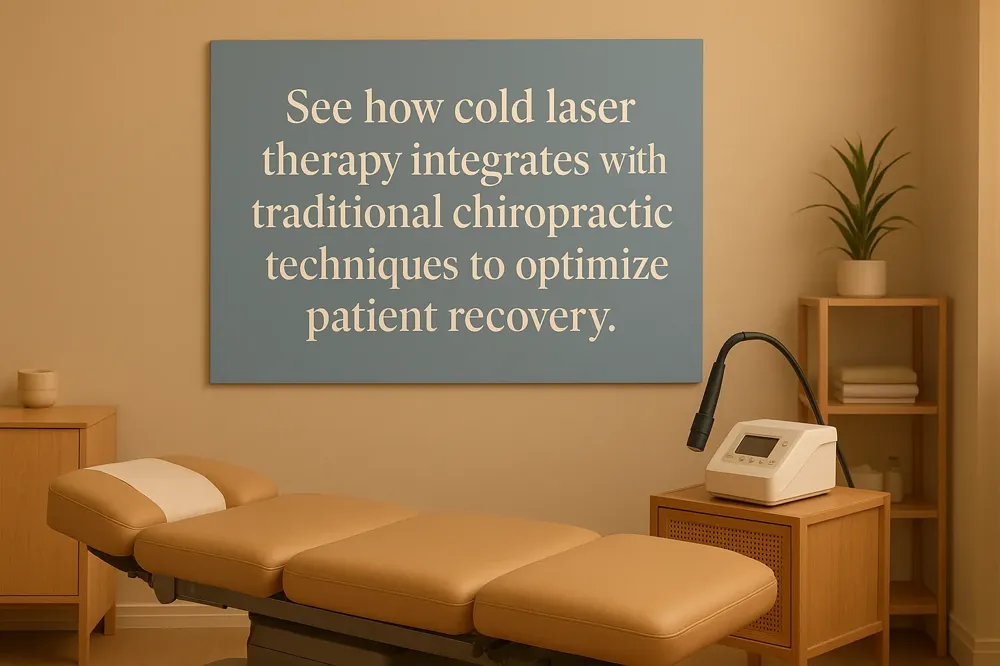
Cold laser therapy is often incorporated alongside traditional chiropractic adjustments to enhance the overall healing process. While chiropractic adjustments focus on restoring spinal alignment to improve nervous system function and relieve mechanical stress, cold laser therapy targets cellular function and tissue repair. This complementary use allows laser therapy to reduce inflammation, stimulate blood flow, alleviate pain, and promote soft tissue healing, thereby improving the efficacy of manual spinal manipulations.
What personalized care and treatment planning does Ross Chiropractic provide regarding laser therapy?
At Ross Chiropractic in San Jose, CA, cold laser therapy is tailored to individual patient needs as part of a comprehensive treatment plan. Assessment begins with reviewing the patient's medical history, physical examination, and sometimes imaging such as X-rays. Treatment protocols consider factors such as condition severity, health status, and concurrent therapies. Multiple sessions are typically scheduled to gradually promote healing and sustained pain relief, embodying a patient-centered approach integral to modern chiropractic care.
How does cold laser therapy support a patient-centered, drug-free, and non-invasive therapeutic approach?
Cold laser therapy aligns perfectly with chiropractic principles by providing a drug-free, non-invasive method for managing musculoskeletal pain and inflammation. It uses low-level light to stimulate cellular regeneration without heat or tissue damage, avoiding the risks and side effects associated with medications or surgery. Patients benefit from pain relief, accelerated healing, and improved mobility without downtime, fulfilling demands for natural, holistic care.
What are the latest technologies and complementary emerging chiropractic techniques?
Besides cold laser therapy, modern chiropractic care increasingly employs advanced modalities such as:
- Shockwave therapy for chronic soft tissue conditions
- Neurological retraining to improve nerve function
- Specialized spinal traction systems such as spinal decompression
These techniques complement traditional adjustments and cold laser therapy by addressing complex biomechanical and neurological issues, thereby expanding therapeutic options and enhancing patient outcomes.
What are the benefits of combining laser therapy with spinal decompression, myofascial release, and corrective exercises?
The integration of cold laser therapy with other chiropractic modalities amplifies treatment effectiveness. Laser therapy reduces tissue inflammation and pain, facilitating more comfortable and effective spinal decompression sessions and myofascial release therapies. Corrective exercises supported by laser-induced healing help restore function and mobility more rapidly. This multimodal approach leads to faster recovery, enhanced pain management, and improved musculoskeletal health.
What are some of the new techniques in chiropractic care beyond traditional adjustments?
Emerging chiropractic techniques include advanced therapies such as shockwave therapy, neurological retraining, and specialized traction systems. These modalities complement traditional adjustments by targeting more complex conditions like chronic pain and neurological issues, improving patient outcomes.
Conclusion: Advancing Holistic Musculoskeletal Care with Cold Laser Therapy
Clinical Evidence and Benefits
Cold laser therapy, also known as low-level laser therapy (LLLT), consistently demonstrates therapeutic benefits including pain reduction, inflammation control, and accelerated tissue healing. Research highlights its efficacy in treating diverse musculoskeletal conditions such as arthritis, tendonitis, sports injuries, and chronic back pain.
Non-Invasive and Drug-Free Approach
This therapy offers patients a safe, non-invasive, and medication-free alternative to traditional pain management. Its mechanism—stimulating cellular energy production without heat or tissue damage—supports natural healing, lowering dependence on drugs and reducing potential side effects.
Synergy with Chiropractic Adjustments
Used alongside chiropractic care, cold laser therapy complements spinal adjustments by enhancing circulation, reducing muscle spasms, and promoting soft tissue repair. This integration supports holistic musculoskeletal wellness, targeting structural alignment and cellular health together.
Improving Patient Outcomes
At chiropractic practices such as Ross Chiropractic, cold laser therapy contributes to personalized treatment plans delivering faster recovery and sustained pain relief. Patients benefit from its quick, painless sessions and restored mobility, aligning with a comprehensive model of care focused on long-term wellness and natural healing.