A Non-Invasive Approach to Pain Relief and Tissue Repair
A Non-Invasive Approach to Pain Relief and Tissue Repair
Cold laser therapy, also known as low-level laser therapy (LLLT) or photobiomodulation, is a non-thermal, non-invasive treatment that uses specific wavelengths of red to near-infrared light to stimulate cellular function. Unlike surgical lasers, it does not generate heat, cut, or cauterize tissue. The therapy works through a photochemical process: photons are absorbed by mitochondria in cells, boosting the production of adenosine triphosphate (ATP). This increase in cellular energy enhances metabolic activity, reduces inflammation, and accelerates natural tissue repair.
For Ross Chiropractic, LLLT is an ideal fit for a patient-focused, drug-free practice. The treatment provides a safe, painless option for reducing pain and swelling in acute and chronic musculoskeletal conditions. Patients can resume normal activities immediately after a session. This approach aligns with the practice's commitment to natural healing, offering a powerful adjunct to chiropractic adjustments, spinal decompression, and corrective exercises.
| Aspect | Cold Laser Therapy (LLLT) | Relevance to Ross Chiropractic |
|---|---|---|
| Mechanism | Photobiomodulation: increases ATP, reduces pro-inflammatory cytokines | Supports drug-free, natural healing philosophy |
| Application | Non-thermal, non-invasive, painless, no downtime | Enhances patient comfort and compliance |
| Clinical Use | Reduces pain, inflammation, and edema; accelerates tissue repair | Effective for back pain, sciatica, sports injuries, auto accidents |
| Integration | Complements adjustments, decompression, and myofascial release | Provides a holistic, patient-centered care model |
The Mechanism: How Light Energizes Cellular Repair
Understanding Photobiomodulation: The Cellular Engine of Healing
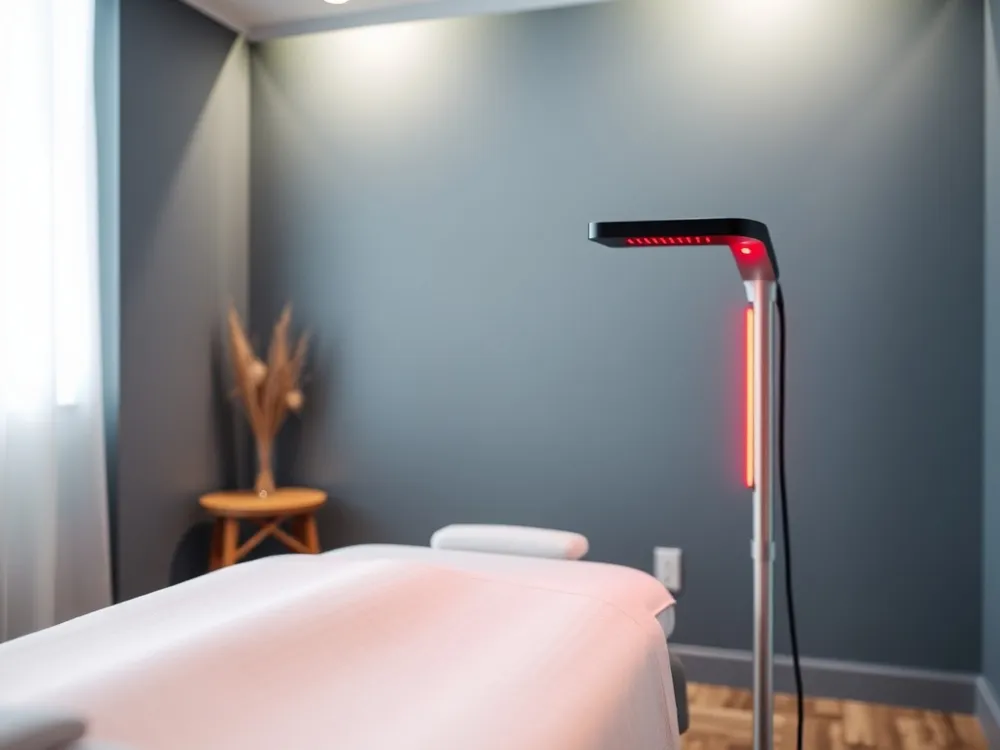
Low Level Laser Therapy (LLLT), also known as photobiomodulation, works through a well-defined photochemical process, not heat. The photons from the laser are absorbed by photoreceptors within cells, specifically cytochrome c oxidase (CCO) in the mitochondria. This absorption initiates a cascade of biochemical changes that are the foundation of its therapeutic effects.
The Role of ATP and Energy Production
The absorption of light by cytochrome c oxidase triggers a key reaction: it can release inhibitory nitric oxide to increase mitochondrial electron transport. The direct result is a significant rise in the production of adenosine triphosphate (ATP), the primary energy currency for all cellular functions. This additional energy fuels critical repair processes, including increased cell proliferation, migration, and protein synthesis, all essential for tissue regeneration.
The Biphasic Dose-Response: Why Less Can Be More
A defining characteristic of LLLT is its biphasic dose-response curve, where lower doses of energy are often more effective than much higher doses. While low light levels stimulate cellular activity and pain relief, excessive energy can inhibit cell function or even cause damage. This non-linear effect means precise tuning of parameters—wavelength, power density, and energy—is crucial for achieving the optimal therapeutic outcome, distinguishing it from treatments with a simple dose-dependent response.
| Key Component | Role in Healing | Optimal Parameter |
|---|---|---|
| Cytochrome c oxidase | Primary photo-acceptor in mitochondria | Absorbs red/NIR light (600–1000 nm) |
| ATP Production | Fuels cellular repair, regeneration, and protein synthesis | Increased by photodissociation of nitric oxide |
| Biphasic Dose-Response | Low doses are optimally stimulating; high doses can inhibit | Energy density often 1–10 J/cm² for musculoskeletal effects |
| Action Type | Photochemical (non-thermal) | No heat, sound, or tissue damage; safe for repeated use |
The non-thermal nature of LLLT allows it to be applied repeatedly over sensitive tissues without the risk of burns or ablation, making it a safe, drug-free modality for promoting cellular repair in musculoskeletal conditions.
Clinical Benefits: From Immediate Analgesia to Long-Term Healing
 Cold laser therapy, also called low-level laser therapy (LLLT), triggers a cascade of healing responses along a defined clinical timeline. Its effects span from rapid pain relief to long-term tissue regeneration, making it a versatile tool for musculoskeletal care.
Immediate Analgesia: Neural Blockade Within Minutes
Within 10–20 minutes of application, LLLT induces a temporary neural blockade. It reduces peripheral nerve conduction by approximately 30%, providing swift pain relief that can last up to 24 hours. This rapid onset helps break the pain–spasm cycle and allows patients to move more comfortably.
Medium-Term Anti-Inflammatory Effects (Hours to Days)
Over the next hours to days, LLLT decreases local edema and inflammation. It downregulates pro-inflammatory cytokines such as TNF-α, IL‑1β, and IL‑6, reduces inflammatory cell infiltration, and promotes anti-inflammatory mediators. This phase reduces swelling and tenderness, easing recovery.
Long-Term Tissue Regeneration (Weeks to Months)
Sustained benefits emerge over weeks to months through enhanced tissue healing. LLLT stimulates fibroblast proliferation, increases collagen synthesis, and promotes angiogenesis (new blood vessel formation). These processes strengthen tendons, ligaments, and other soft tissues, improving function and providing lasting pain relief without drugs or surgery.
Conditions Treated and the Chiropractor’s Role
Do chiropractors use cold laser therapy?
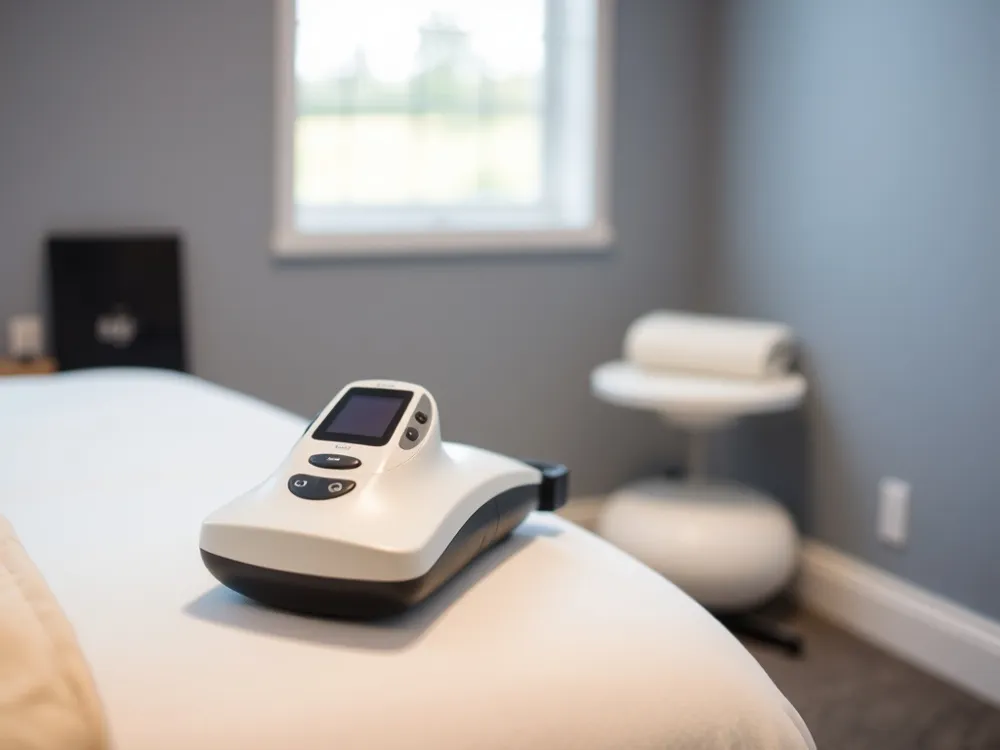
Yes, chiropractors commonly use cold laser therapy (LLLT) for a wide range of musculoskeletal conditions. Acute issues such as sprains, strains, tendinitis, and whiplash respond well, as do chronic problems like osteoarthritis, carpal tunnel syndrome, plantar fasciitis, and back or neck pain. The non-thermal light energy penetrates up to 5 cm to stimulate cellular repair, reduce inflammation, and provide rapid pain relief.
Chiropractors deliver LLLT as an adjunct to chiropractic adjustments, spinal decompression, and myofascial release. This drug‑free, non‑invasive treatment helps relax tight muscles before adjustments and accelerates healing afterward, with no downtime required for patients.
Can cold laser therapy effectively treat a torn rotator cuff?
Cold laser therapy—particularly with a Class IV laser—can be an effective component of rotator cuff treatment. The light energy reduces pain and swelling in the shoulder joint while boosting blood flow and collagen production to support tissue repair. Many patients report noticeable pain relief and improved range of motion after a few sessions.
However, laser therapy is most effective when combined with physical therapy exercises and corrective movements. This integrated approach enhances recovery speed, reduces scar tissue formation, and restores function better than either modality alone. A personalized plan that includes LLLT alongside chiropractic care and rehabilitation offers the best outcomes for a torn rotator cuff.
Safety, Side Effects, and Evidence Base

What are the potential side effects of cold laser (low‑level) therapy?
Cold laser (low‑level) therapy is generally safe, but some patients may experience mild skin reactions such as temporary redness, swelling, or a warm sensation at the treatment site. Occasionally, prolonged erythema, hyper‑ or hypopigmentation, acne, milia, or contact dermatitis can develop, especially when the skin is sensitive or the dose is too high. Improper eye protection can lead to ophthalmic injuries, including retinal damage, so goggles are essential during treatment. In rare cases, burns, infections, scarring, or a Koebner response (new lesions appearing at the site of trauma) have been reported. Overall, most side effects are minor, transient, and resolve without intervention.
Contraindications
Treatment should not be applied directly over the eyes, known malignancies (unless for palliative purposes), the developing fetus during pregnancy, or areas of low‑frequency pulsed visible light (<30 Hz) in photosensitive epileptic patients. Protective eyewear is mandatory for both practitioner and patient. When treating over tissue with suspected malignancy, the laser should be avoided unless the intent is purely palliative and under specialist guidance.
Is cold laser therapy scientifically proven?
Numerous high‑quality randomized controlled trials, systematic reviews, and meta‑analyses demonstrate that LLLT reduces pain, inflammation, and promotes tissue repair in conditions such as osteoarthritis, tendinopathies, neuropathic pain, and post‑surgical wounds. Adherence to World Association of Laser Therapy (WALT) dosing guidelines improves efficacy. The FDA has cleared LLLT devices for temporary relief of muscle and joint pain, supporting its use as a non‑invasive analgesic modality. Over 400 double‑blind placebo‑controlled trials and more than 4,000 laboratory studies underpin the evidence base.
A Drug-Free Pathway to Musculoskeletal Healing
A Holistic, Non-Invasive Approach
Low-Level Laser Therapy (LLLT) embodies a drug-free, non-invasive philosophy that aligns perfectly with chiropractic care. It works with the body’s own healing mechanisms, avoiding surgery and pharmaceuticals. Patients experience no downtime, allowing immediate return to daily activities.
Natural Healing Without Harmful Effects
By stimulating cellular repair and reducing inflammation, LLLT accelerates recovery without the side effects of medications. The therapy is safe, well-tolerated, and complements adjustments to address both symptoms and underlying causes.
Discover Your Personalized Treatment Plan
Each patient’s condition is unique. At Ross Chiropractic, we design customized LLLT protocols to match your specific needs. Contact us today to explore how this innovative therapy can support your journey toward lasting musculoskeletal health.