Why a Holistic, Non‑Invasive Approach Matters
Soft‑tissue injuries progress through an inflammatory phase, a proliferative repair phase, and a remodeling phase, each requiring adequate blood flow, nutrient delivery, and controlled movement. A drug‑free, natural recovery avoids the systemic side effects of NSAIDs or steroids, allowing the body’s own cytokine cascade and collagen synthesis to proceed unhindered while reducing inflammation and pain through modalities such as myofascial release and low‑level laser therapy. Ross Chiropractic embraces a patient‑focused philosophy that integrates spinal adjustments, soft‑tissue work, corrective exercises, nutrition counseling, and stress‑management, creating a synergistic, non‑invasive plan that respects the body’s innate healing mechanisms.
Understanding the Body’s Healing Timeline
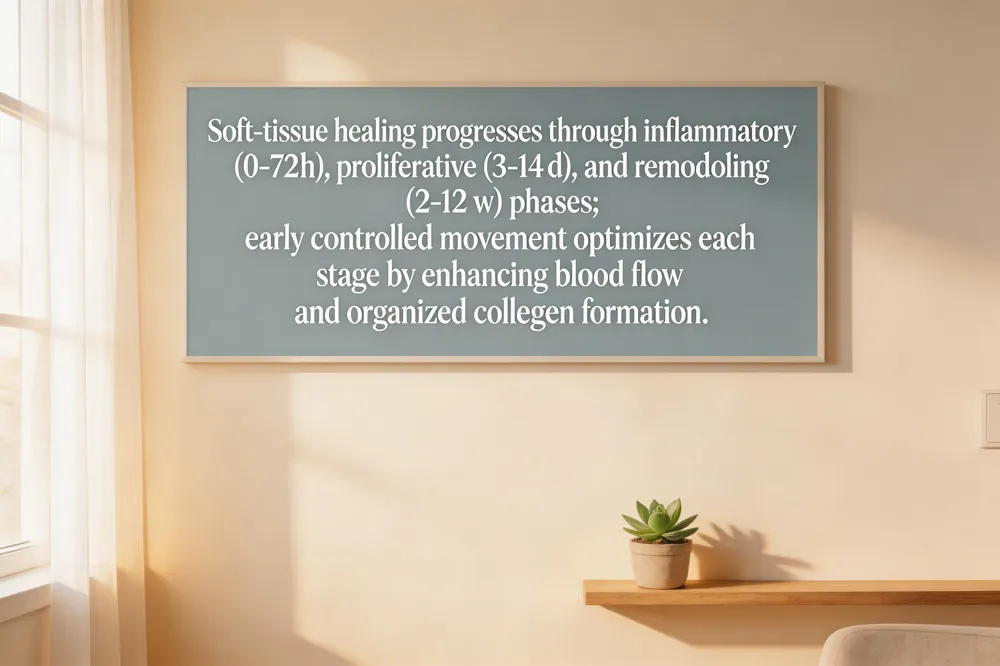 Soft‑tissue injuries heal in three overlapping phases. The inflammatory phase (0‑72 hours) brings blood, oxygen, and nutrients to the damaged site, initiating the cascade that removes debris and sets the stage for repair. Within the proliferative/repair phase (3‑14 days), fibroblasts become active, laying down new collagen fibers and forming granulation tissue that restores basic structural integrity. As the remodeling phase (2‑12 weeks) unfolds, collagen fibers realign, cross‑link, and mature, increasing tensile strength and allowing the tissue to tolerate higher loads. Early controlled movement—gentle range‑of‑motion exercises and low‑impact activity—stimulates blood flow, prevents excessive scar‑t formation, and signals fibroblasts to produce organized collagen, thereby optimizing each phase. By avoiding prolonged immobilization and introducing progressive loading at the appropriate time, athletes can accelerate nutrient delivery, enhance cellular metabolism, and achieve stronger, more resilient tissue before returning to full sport participation.
Core Chiropractic Modalities That Speed Recovery
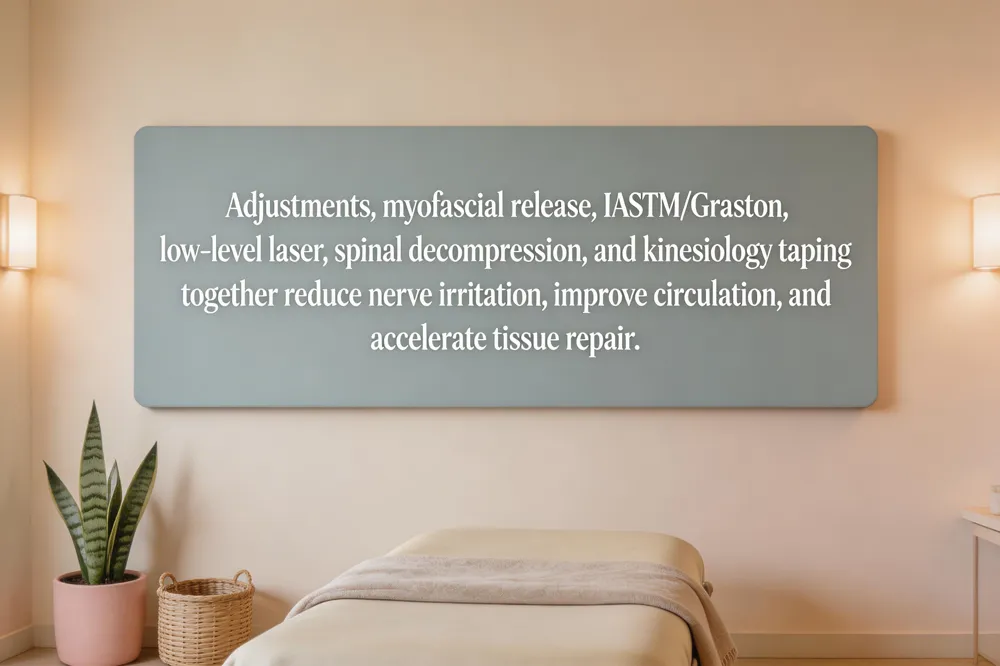 Chiropractors are well‑equipped to treat sports‑related injuries. Spinal and peripheral joint adjustments restore proper alignment, reduce nerve irritation, and improve blood flow, creating a healthier environment for tissue repair. Myofascial release and Active Release Technique (ART) break down fascial adhesions and scar tissue, relieving tension and enhancing range of motion. Instrument‑assisted soft‑tissue mobilization (IASTM) and the Graston Technique use stainless‑steel tools to create micro‑trauma that triggers a localized inflammatory response, increasing circulation and accelerating collagen synthesis. Cold (low‑level) laser therapy penetrates deep tissue, stimulating cellular metabolism and ATP production to reduce inflammation and promote faster healing. Spinal decompression gently stretches vertebral joints, relieving nerve pressure and improving nutrient delivery to adjacent soft tissues. Kinesiology taping offers elastic support, improves lymphatic drainage, and heightens proprioception, allowing athletes to train safely while the body heals.
Can chiropractors help with sports injuries? Yes; they employ non‑invasive techniques such as adjustments, soft‑tissue work, and targeted exercises to reduce inflammation, restore function, and often avoid surgery or medication. Dr. Allison Ross tailors these methods to each athlete for optimal recovery.
What is the Graston Technique? It is an instrument‑assisted soft‑tissue mobilization that uses specially shaped stainless‑steel tools to detect and treat scar tissue and adhesions. Controlled scraping creates micro‑trauma, stimulating blood flow and a healing response that reduces pain and improves mobility, especially when combined with other chiropractic modalities.
Nutrition, Herbs, and Lifestyle Hacks for Tissue Repair
 Turmeric (Curcuma longa) delivers curcumin, a potent anti‑inflammatory herb that dampens the acute inflammatory surge after a muscle tear, reduces oxidative stress, and supports collagen synthesis for faster muscle fiber rebuilding. Pair turmeric with protein‑rich foods (lean meats, beans, dairy), vitamin C (citrus, berries), zinc (pumpseed seeds, oysters), and omega‑3 fatty acids (fatty fish, flaxseed) to supply the amino acids and micronutrients essential for tissue repair. Hydration strategies—drinking 2‑3 L of water daily, adding electrolyte drinks during heavy training—maintain plasma volume and nutrient transport to the injured site. Aim for 7‑9 hours of quality sleep each night; growth hormone peaks during deep sleep, driving collagen production and cellular regeneration. Stress‑reduction techniques such as mindfulness meditation and diaphragmatic breathing lower cortisol, which otherwise hinders healing. Immediately after injury, avoid heat (hot packs, saunas), alcohol, high‑impact activity, and deep‑tissue massage, as each can increase swelling, bleeding, or further tissue damage.
Personalized Rehab, Orthotics, and Preventive Planning
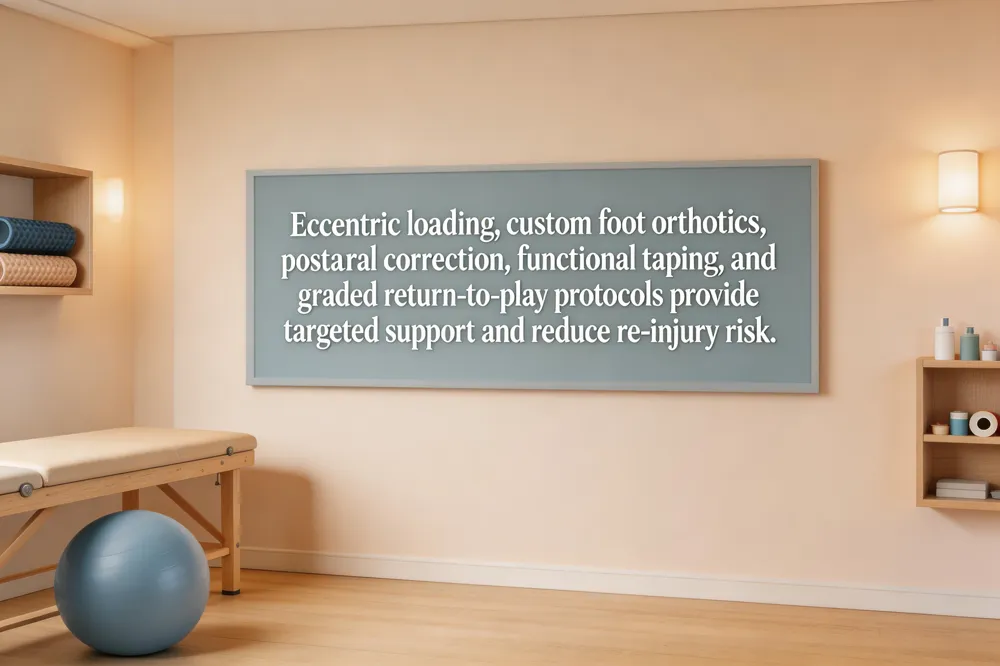 Corrective therapeutic exercises – eccentric loading
Targeted eccentric drills strengthen tendons and muscle fibers during the remodeling phase, boosting tensile strength by up to 30 % and reducing re‑injury risk.
Custom foot orthotics to correct lower‑extremity biomechanics
Foot‑aligned orthotics eliminate abnormal shear forces on the knees, hips, and spine, allowing soft‑tissue structures to heal without compensatory strain.
Postural correction and ergonomic advice for injury‑prevention
Chiropractic adjustments paired with ergonomic coaching restore optimal spinal alignment, improve neural signaling, and prevent the cascade of compensatory tension that often leads to new injuries.
Functional taping (kinesiology, athletic) for support and lymphatic drainage
Elastic tapings provide stability, enhance proprioception, and promote fluid drainage, allowing athletes to train safely while inflammation subsides.
Gradual return‑to‑play protocols guided by a chiropractor
A step‑wise program progresses from low‑impact mobility work to sport‑specific loading, ensuring tissue readiness before full competition.
Where can I find a soft‑tissue chiropractor near San Jose, CA?
Dr. Allison Ross, DC, at 1235 S. Almaden Blvd, Suite 200, San Jose, CA 95128 (phone (408) 555‑1234), offers spinal adjustments, myofascial release, cold laser, and corrective exercises for sports injuries.
Can chiropractic help ALS?
While not a cure, gentle adjustments and supportive therapies can alleviate musculoskeletal discomfort and improve quality of life for ALS patients.
Real‑World Success and High‑Profile Endorsements
 Tom Brady publicly credits chiropractic care as a key component of his performance maintenance and injury‑prevention strategy, confirming that he regularly visits a chiropractor for adjustments and soft‑tissue therapy. Clinical evidence supports Brady’s experience: randomized trials show that athletes receiving combined spinal adjustments, instrument‑assisted soft‑tissue therapy (such as IASTM, ART, or Graston) and targeted corrective exercises recover from hamstring strains and ankle sprains up to 4‑5 days faster than those using standard physiotherapy alone. The multimodal synergy of joint realignment, scar‑tissue breakdown, and progressive loading creates an environment where blood flow, neural signaling, and collagen synthesis are optimized, accelerating return to sport. At Dr. Ross’s Ross Chiropractic clinic in San Jose, patients receive education on posture and ergonomic habits, and injury‑prevention techniques, empowering them to sustain the benefits of treatment and reduce future injury risk.
Your Path to Faster, Natural Recovery Starts Here
Chiropractic care attacks soft‑tissue injuries from every angle: precise spinal and peripheral adjustments restore joint alignment and relieve nerve irritation, while myofascial release, IASTM and Graston techniques break down scar tissue and improve blood flow. Low‑level laser (cold laser) therapy stimulates cellular metabolism and collagen synthesis, and spinal decompression eases nerve pressure to enhance nutrient delivery. Targeted corrective exercises rebuild strength, proprioception, and functional stability, and custom orthotics correct biomechanical faults. All interventions are drug‑free, tailored to the athlete’s unique anatomy and sport demands, and coordinated by Dr. Allison Ross. Schedule a evaluation today to jump‑start your natural, faster recovery.